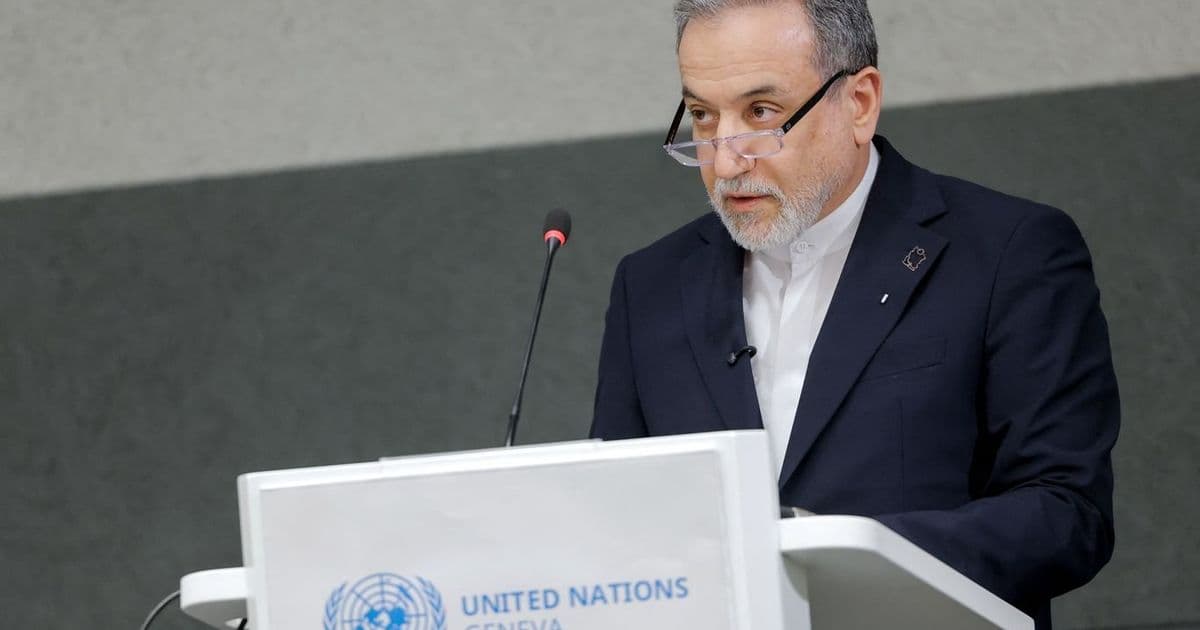
U.S. and Iranian officials reported progress in their second round of nuclear talks in Geneva, with both sides agreeing to meet again next week as they work toward a deal to limit Iran's nuclear program.
U.S. and Iranian officials reported progress in their second round of nuclear talks in Geneva, with both sides agreeing to meet again next week as they work toward a deal to limit Iran's nuclear program.
Iran's Foreign Minister Abbas Araghchi and U.S. Special Envoy Steve Witkoff emerged from the talks saying they had made headway on technical issues, though significant differences remain. The negotiations, which began last week in Oman, represent the first direct talks between the two countries in years.
Araghchi described the discussions as "constructive" and said the two sides had agreed on a framework for future negotiations. He noted that Iran would continue to enrich uranium to 60% purity, which is just below weapons-grade, but said Tehran was open to discussing limits on its nuclear program.
The U.S. side was more cautious in its assessment, with Witkoff saying only that "progress was made" and that the talks were "substantive." He declined to provide specifics on what was discussed or what progress had been achieved.
The negotiations come amid heightened tensions between the two countries, with Iran recently launching missile strikes on Israel and the U.S. imposing new sanctions on Iranian entities. The talks are aimed at reviving the 2015 nuclear deal, which the U.S. withdrew from in 2018 under the Trump administration.
Analysts say the talks are a positive development, but caution that significant obstacles remain. "While it's encouraging that both sides are talking, the gap between their positions remains wide," said Ali Vaez, Iran project director at the International Crisis Group. "Iran wants sanctions relief and recognition of its right to enrich uranium, while the U.S. wants Iran to completely dismantle its nuclear program."
The next round of talks is scheduled for next week in a location yet to be determined. Both sides have said they are committed to continuing the negotiations, but it remains to be seen whether they can bridge their differences and reach a deal.
In the meantime, the international community is watching closely. The European Union, which has been mediating the talks, said it was "encouraged" by the progress made so far. "We hope that both sides will continue to engage constructively and work towards a mutually acceptable solution," said EU foreign policy chief Josep Borrell.
The talks are also being closely watched by Israel, which has long opposed any deal with Iran. Israeli Prime Minister Benjamin Netanyahu has warned that Iran is only months away from having enough enriched uranium to build a nuclear weapon, and has vowed to take military action if necessary to prevent Iran from acquiring nuclear weapons.
As the negotiations continue, the stakes remain high. A successful deal could ease tensions in the Middle East and reduce the risk of a nuclear arms race in the region. But failure could lead to further escalation and potentially even military conflict. The world will be watching closely as the talks resume next week.
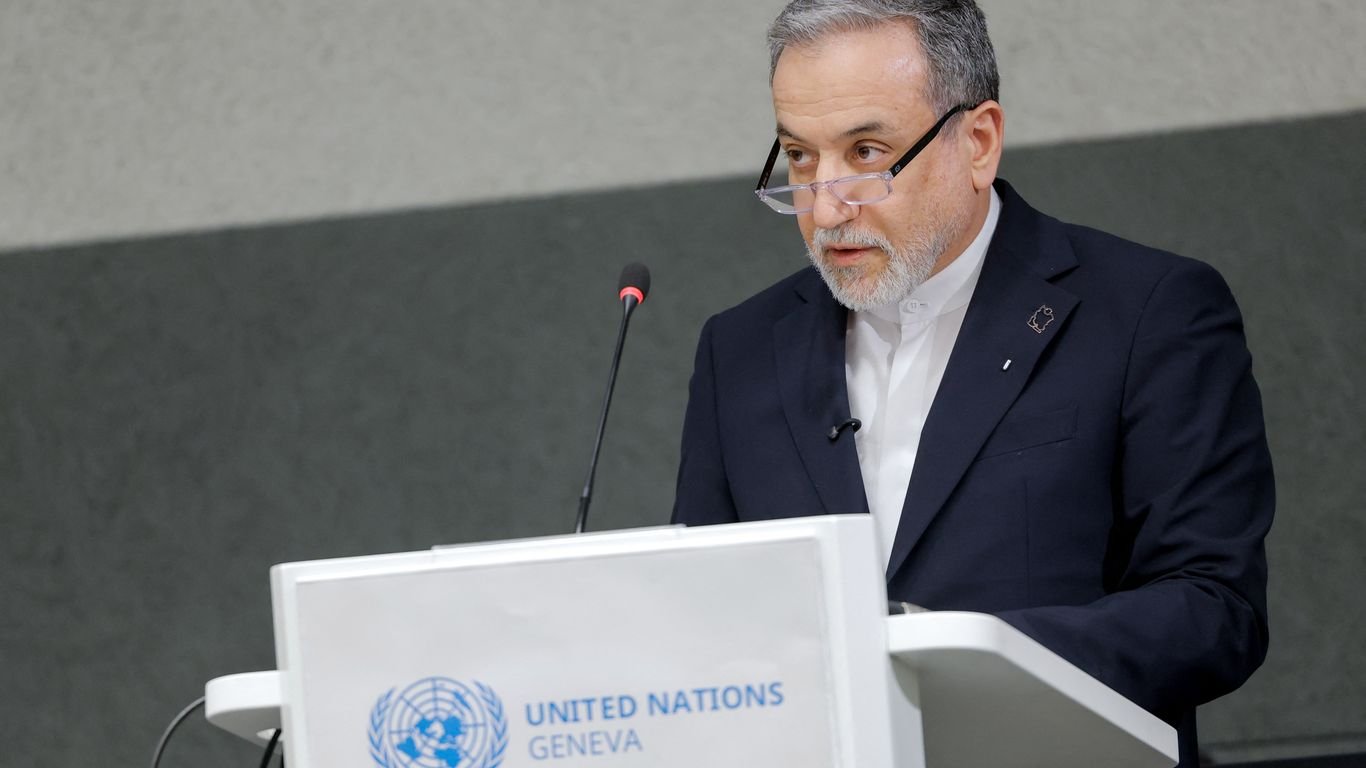
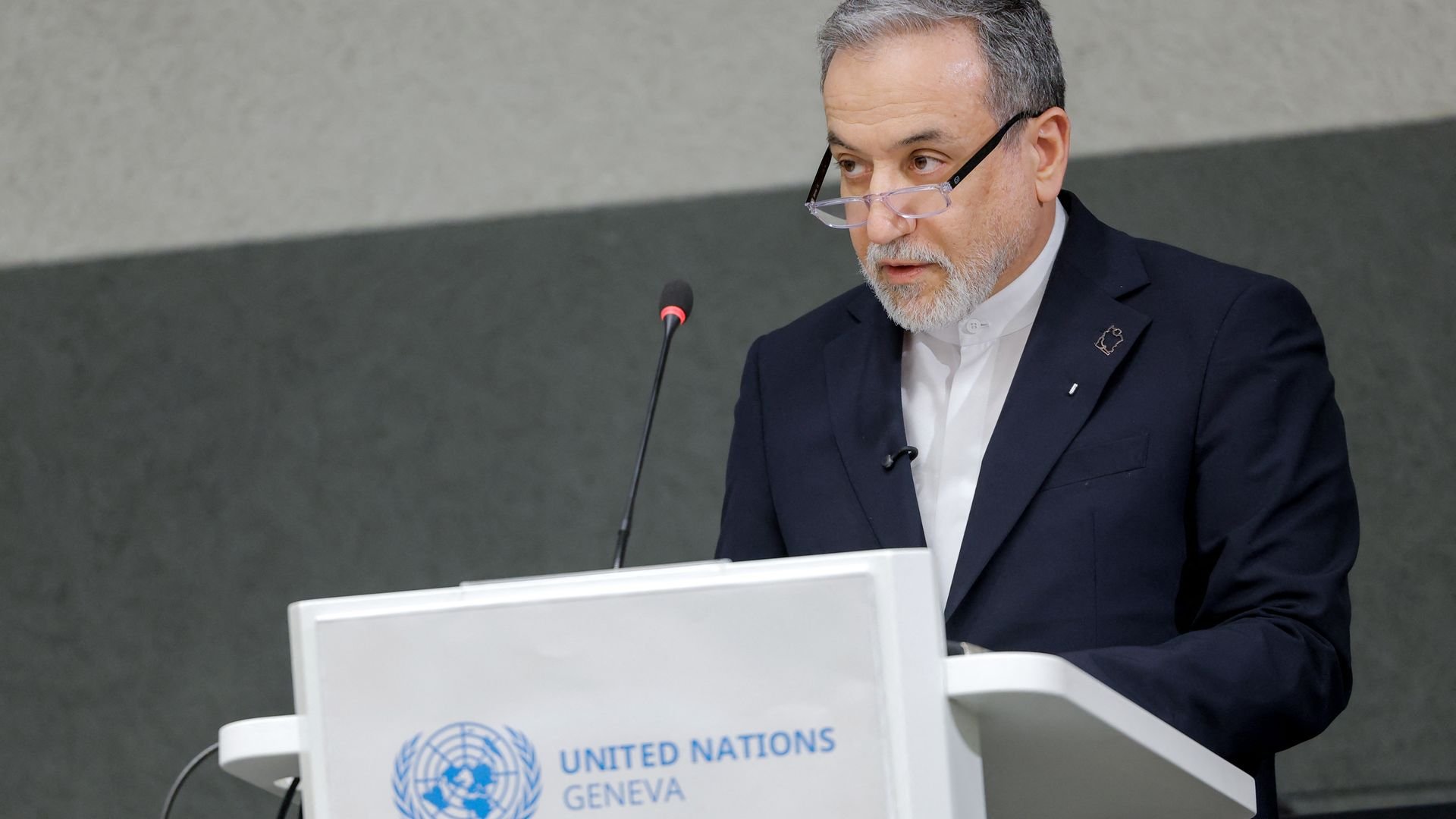
The talks in Geneva represent a significant diplomatic effort to address one of the most pressing security challenges in the Middle East. While progress has been made, much work remains to be done to bridge the gap between the U.S. and Iran's positions. The coming weeks will be critical in determining whether a deal can be reached, and what it might look like.
Comments
Please log in or register to join the discussion