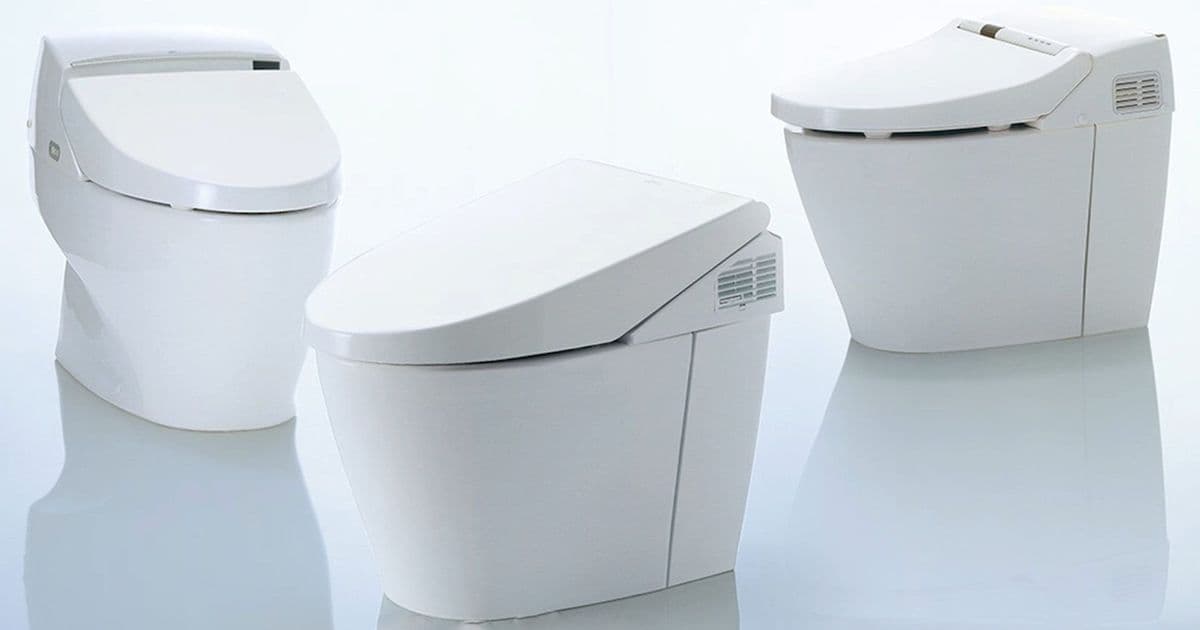
Toto, known for luxury toilets, is gaining investor attention for its advanced ceramics used in semiconductor manufacturing, with shares up 40% in 2026 as AI-driven memory demand boosts its semiconductor materials business.
Japanese toilet manufacturer Toto has become an unlikely focal point in the AI infrastructure investment narrative, with shares surging nearly 40% in the first two months of 2026 as investors recognize the company's advanced ceramics business as a critical component in semiconductor manufacturing.
From Washlets to Wafers: Toto's Semiconductor Pivot
While Toto remains globally recognized for its luxury bathroom fixtures and innovative "Washlet" technology, the company has quietly built a substantial advanced ceramics division that produces precision components for semiconductor manufacturing equipment.
These aren't bathroom fixtures but highly engineered ceramic parts including electrostatic chucks, air bearings, and bonding capillaries. These components must withstand extreme thermal stress, minimize contamination, and meet extremely tight tolerances during semiconductor processing steps like etching and deposition.
The AI Memory Connection
The semiconductor industry's current AI-driven expansion has created unexpected demand for these specialized components. As memory manufacturers ramp up production to meet the insatiable appetite of AI data centers, the tools and materials required for chip fabrication have become increasingly valuable.
Toto's advanced ceramics business now contributes approximately 40% of the company's operating income, despite representing a relatively small portion of its overall revenue. This profitability stems from the high margins and specialized nature of semiconductor-grade ceramics.
Activist Investor Spotlight
UK-based activist investor Palliser Capital recently surfaced in Toto's shareholder registry with a letter to the board, explicitly calling the company "the most undervalued and overlooked AI memory beneficiary." The firm argues that Toto's market valuation fails to reflect the strategic importance of its semiconductor materials business.
Palliser is pushing for several strategic changes:
- Better communication to the market about the advanced ceramics segment
- More strategic use of Toto's approximately ¥76 billion ($496 million) net cash position
- Potential expansion of the ceramics business ahead of competitors
Industry Context and Market Dynamics
The timing aligns with broader industry trends. Goldman Sachs and other research firms have highlighted the profit potential tied to semiconductor manufacturing components, with some upgrading ratings based on assumptions about a rebounding NAND market.
However, the narrative faces some skepticism. Major memory manufacturers remain cautious about large production expansions, wary of potential market gluts if AI demand proves less durable than expected. The fear of an AI "bubble" bursting has tempered aggressive capacity investments across the industry.
Japan's Manufacturing Renaissance
Toto's story reflects a broader trend in Japan, where traditional manufacturers are being reevaluated through an AI lens. Companies like Ajinomoto, traditionally known for seasonings, are now recognized for materials used in chip substrates, while cosmetics companies produce wafer cleaning agents.
This transformation demonstrates how AI infrastructure investment is reshaping supply chain analysis, extending beyond obvious tech companies to include specialized component manufacturers.
Investment Implications
The market's response suggests investors are taking the thesis seriously. Toto's share price gains reflect recognition that AI-driven demand for memory chips translates into demand for the specialized tools and materials required for semiconductor manufacturing.
However, investors should note that claims of a five-year technological moat primarily come from Palliser's shareholder pitch rather than independent analysis. While electrostatic chucks play important roles in advanced manufacturing processes, the magnitude of growth potential remains subject to debate.
As AI continues to drive semiconductor industry expansion, companies like Toto represent an interesting investment angle—traditional manufacturers with unexpected technological capabilities that position them at the intersection of established industries and emerging technology trends.
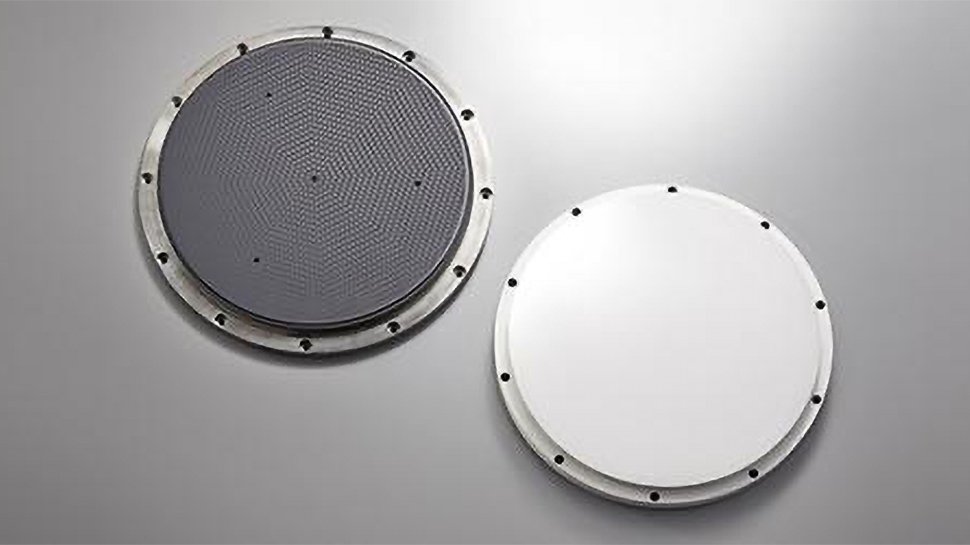
Electrostatic chucks produced by Toto demonstrate the company's precision engineering capabilities beyond bathroom fixtures.
Comments
Please log in or register to join the discussion