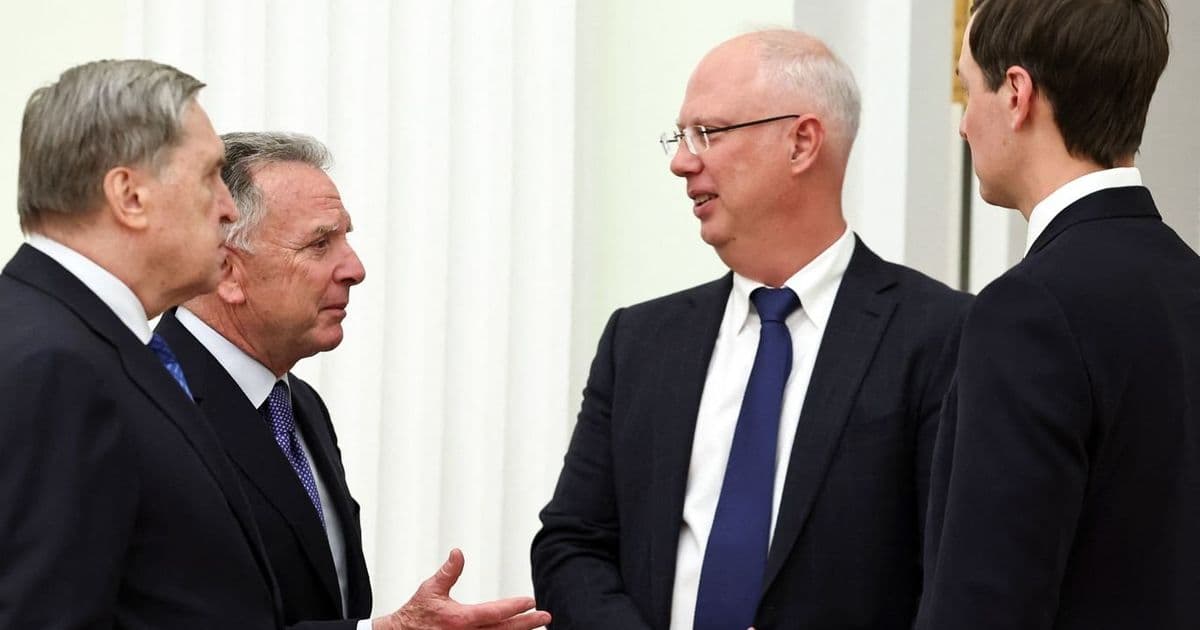
The United States and Russia have agreed to extend the New START nuclear arms treaty beyond its expiration date, preserving the last major bilateral agreement limiting strategic nuclear weapons amid heightened geopolitical tensions.
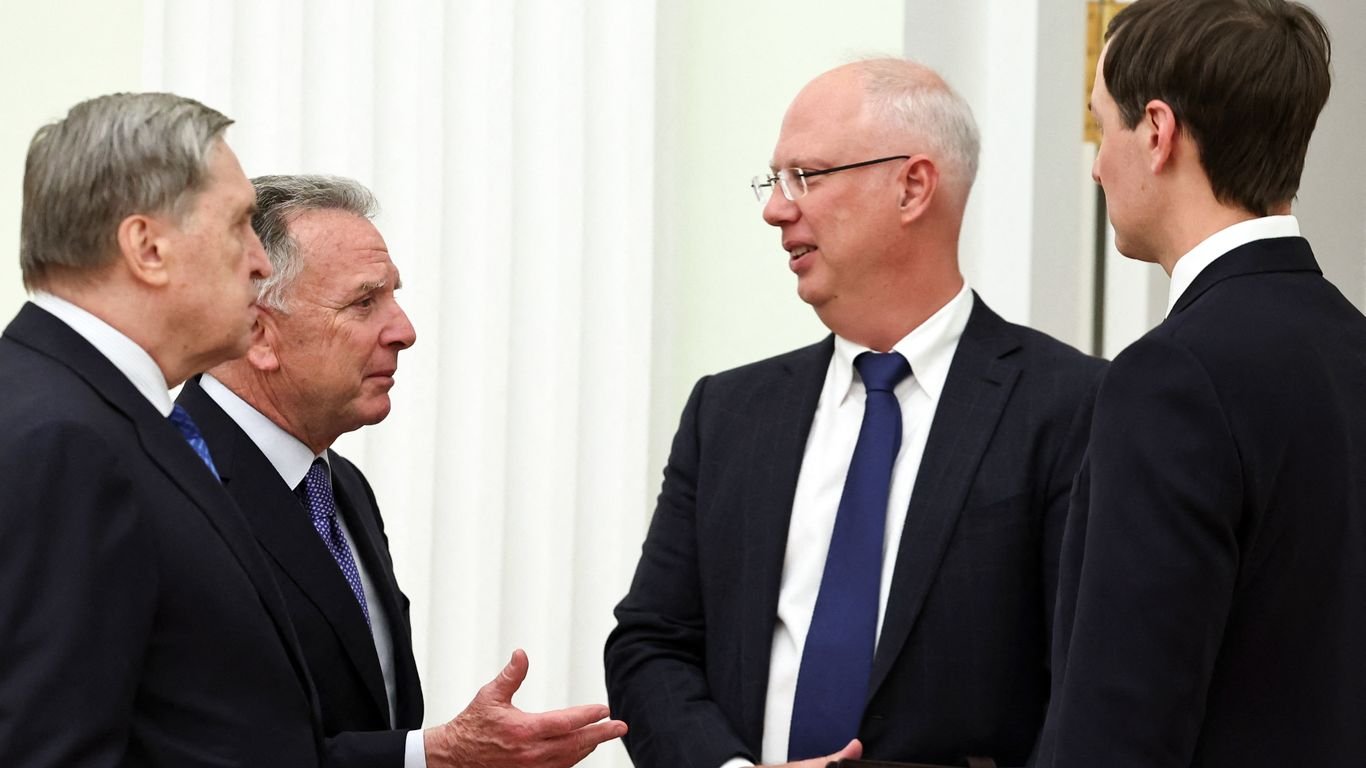
The United States and Russia have reached an understanding to maintain compliance with the New Strategic Arms Reduction Treaty (New START) following its scheduled expiration, according to diplomatic sources. This agreement prevents the collapse of the final bilateral nuclear arms control framework between the two nations, which collectively possess over 90% of the world's nuclear warheads.
Strategic and Financial Context
New START, ratified in 2011, caps deployed strategic nuclear warheads at 1,550 per country and limits delivery systems—including intercontinental ballistic missiles, submarine-launched missiles, and heavy bombers—to 700. The Congressional Budget Office estimates that U.S. nuclear modernization programs will cost $634 billion over 2023-2032, while Russia allocated $8.3 billion to strategic nuclear forces in 2023 alone. Treaty verification mechanisms save both nations approximately $200 million annually in monitoring costs.
Operational Implications
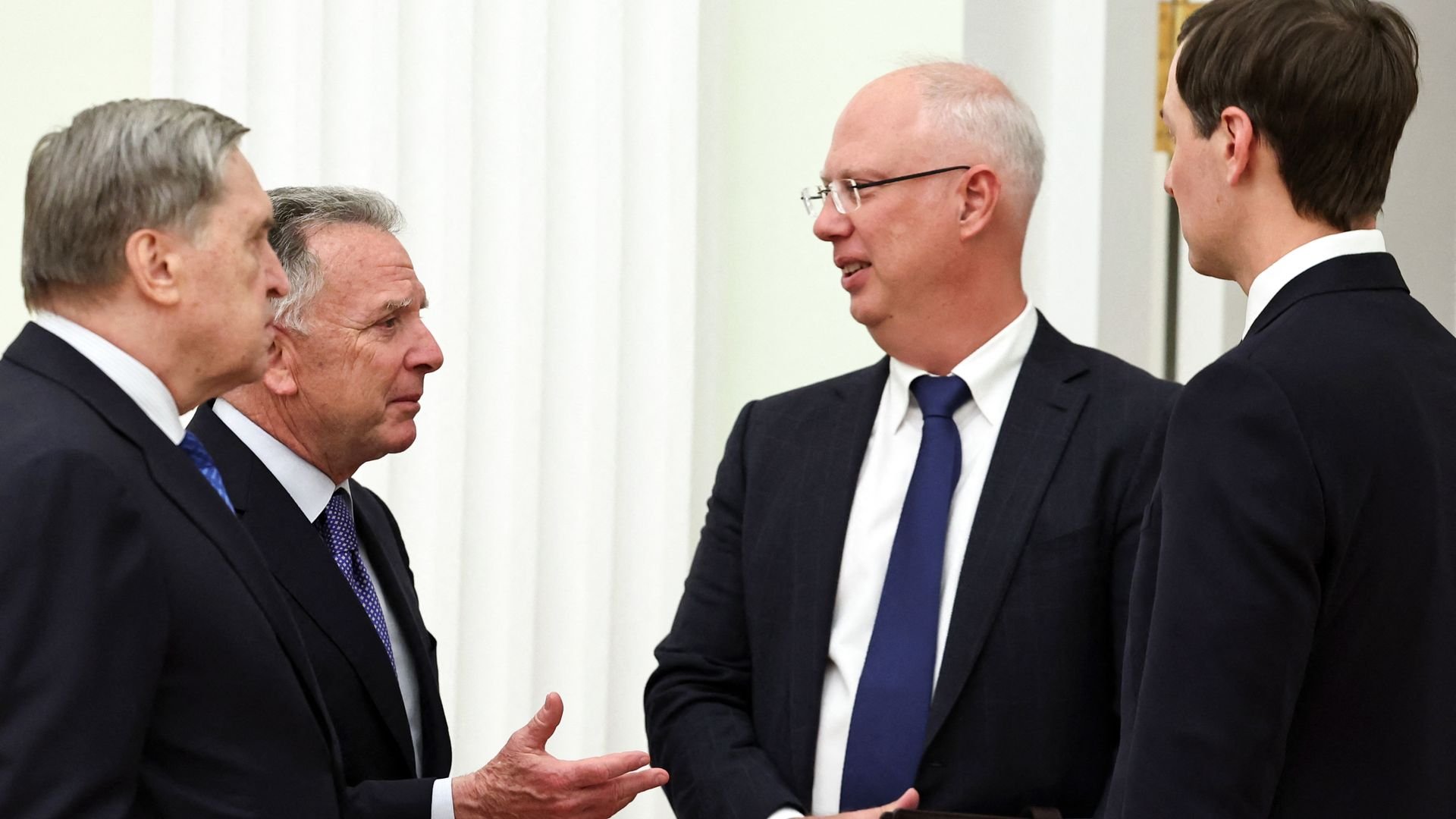
The extension preserves critical data exchanges and 18 annual on-site inspections that enable reciprocal oversight. Without this framework, both countries would face heightened risks of miscalculation and arms escalation. U.S. Defense Department projections indicate unchecked modernization could increase nuclear spending by 23% over a decade, diverting funds from emerging defense priorities like hypersonic weapons and cyber capabilities.
Broader Market Impact
Defense sector stability hinges on predictable arms control: Major contractors like Lockheed Martin and Raytheon derive 15-20% of revenue from nuclear-related programs. Market analysts note that treaty uncertainty previously caused volatility in defense stocks, with share prices fluctuating up to 7% during negotiation delays. Prolonged stability could accelerate investment in next-generation deterrence systems, with the global missile defense market projected to reach $56.8 billion by 2030.
Strategic Calculus
This interim solution postpones complex negotiations on emerging threats like tactical nuclear weapons and space-based systems. Future talks must address China's estimated 500-warhead arsenal—unconstrained by current treaties—which complicates bilateral limits. The deal signals mutual recognition that unchecked proliferation risks triggering regional arms races, particularly in Asia and the Middle East, where nuclear-capable states could accelerate weapons programs absent U.S.-Russian restraint.
Official treaty documents: New START Text | Implementation Overview
Comments
Please log in or register to join the discussion