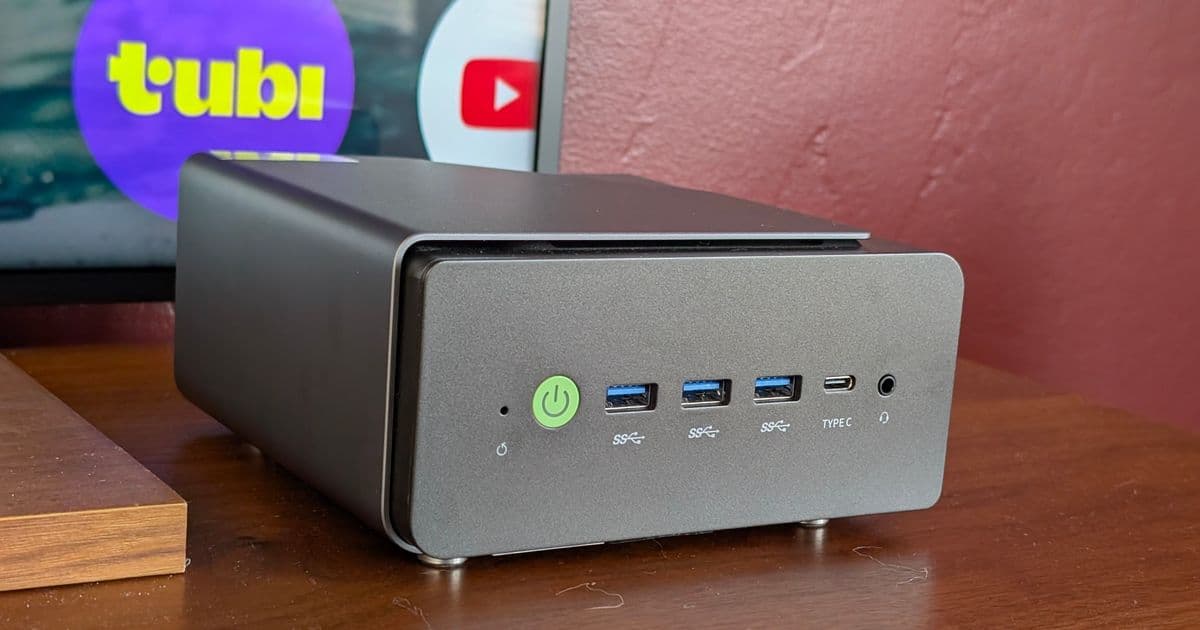
GMKtec's new K15 mini PC prioritizes quieter operation and expandability over compactness, featuring Intel's Core Ultra 5 125U processor and unique connectivity options in a larger-than-average chassis.
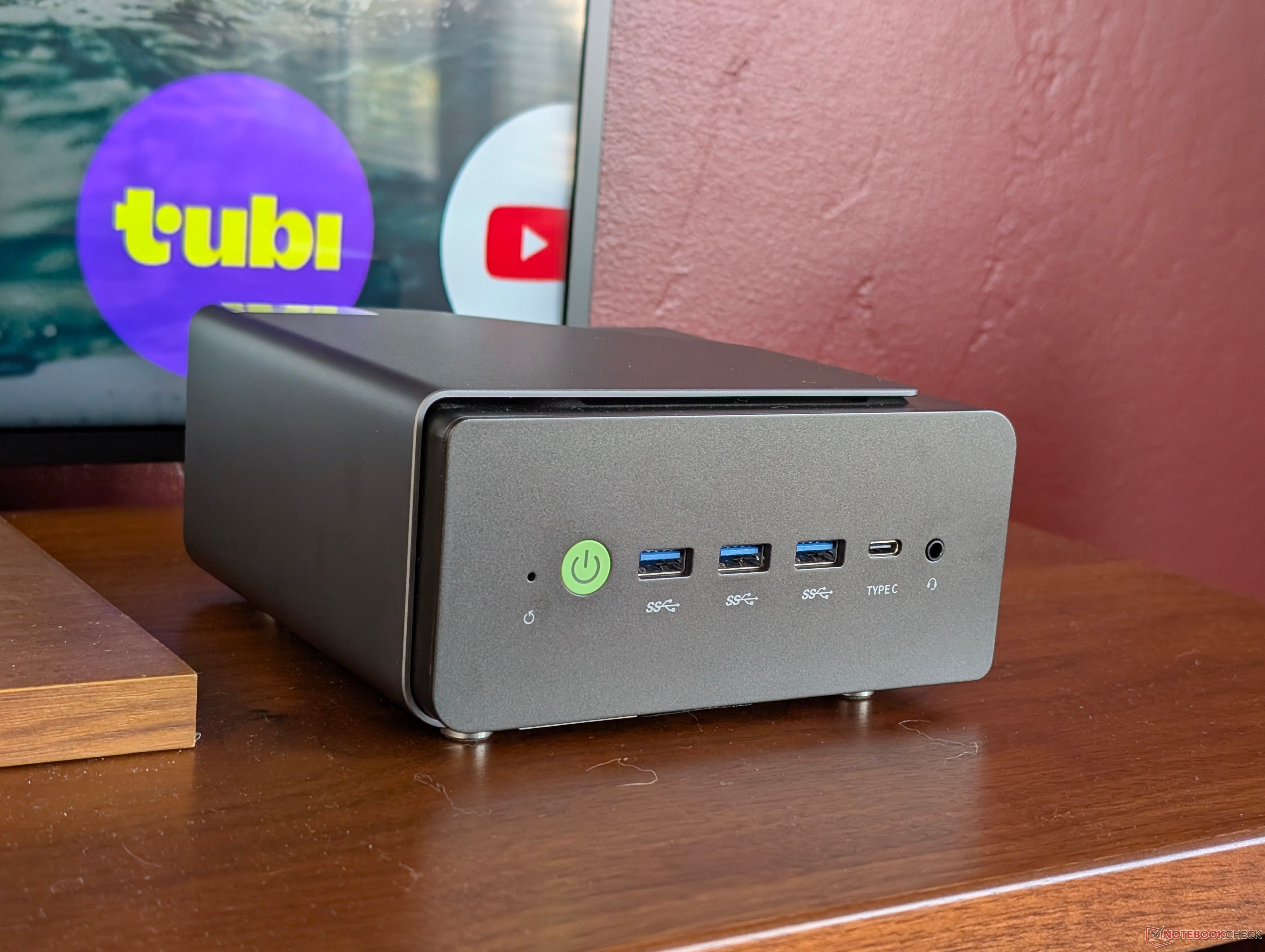
GMKtec has launched its NucBox K15 mini PC, a device that deliberately sacrifices compact dimensions to deliver enhanced functionality and quieter operation. Starting at $360 with an Intel Core Ultra 5 125U processor, the K15 adopts the same chassis as its K12 predecessor but stands out in the mini PC market for its unconventional approach to thermal management and expandability.
What Sets the K15 Apart
Unlike most U-series mini PCs that prioritize minimal footprint, the K15 is 1.32x larger and 75% heavier than comparable models like GMKtec's own NucBox M5. This strategic design decision enables several advantages:
- Enhanced Cooling System: The increased internal volume accommodates a less densely packed cooling solution, resulting in significantly lower fan noise during operation. Thermal headroom remains ample even under sustained workloads.
- Expanded Storage Options: Support for up to three internal SSDs provides rare flexibility in the mini PC segment, enabling complex storage configurations without external enclosures.
- Removable RAM: Unlike many soldered-memory competitors, the K15 allows users to upgrade or replace DDR5 modules post-purchase.
- OcuLink Integration: This high-speed interface offers direct PCIe connectivity for external GPUs or specialized hardware, a rarity in consumer mini PCs.
Practical Trade-Offs
While the K15's larger chassis enables these features, it creates noticeable compromises:
- Desk Space Requirements: At 148 x 148 x 40mm (0.87L volume), the K15 consumes more real estate than competitors. Users with constrained workspaces might find alternatives like the Beelink SER5 series more suitable.
- Persistent Power Brick: Despite its size, the K15 retains an external 120W power adapter. This oversight feels particularly glaring when compared to the similarly sized Beelink GTI15 Ultra, which integrates its power supply.
Performance Context
The Core Ultra 5 125U brings Intel's latest hybrid architecture to the platform, featuring 12 threads (2P-cores + 8E-cores) and Arc-integrated graphics. Early benchmarks show modest gains over previous-generation U-series chips, particularly in GPU-bound tasks thanks to the Xe architecture. However, processor-intensive workloads reveal the inherent limitations of 15W TDP designs. For detailed performance analysis, see our comprehensive K15 review.
Target Audience
This mini PC caters to specific user profiles:
- Silence-Sensitive Users: Content creators, home theater enthusiasts, and office workers who prioritize acoustic comfort during prolonged use.
- Storage-Heavy Workflows: Photographers, data archivists, or media servers requiring multiple high-capacity SSDs.
- Expandability Seekers: Tinkerers needing RAM upgrades or OcuLink connectivity for specialized peripherals.
Competitive Landscape
Compared to equivalently priced alternatives:
| Model | Size (L) | Weight | Noise | PSU | Max SSDs |
|---|---|---|---|---|---|
| GMKtec K15 | 0.87 | 580g | Low | External | 3 |
| Beelink GTI15 | 0.91 | 610g | Medium | Internal | 2 |
| Minisforum U820 | 0.62 | 420g | High | External | 2 |
The K15's closest competitor remains GMKtec's own K12, which shares the chassis but uses older hardware. Performance-per-dollar comparisons reveal the K15 delivers approximately 15% better multi-core performance than the Ryzen 7 5800U-based K12 at similar pricing.
Verdict
GMKtec's K15 proves that embracing larger dimensions can yield tangible benefits in the mini PC segment. By leveraging its expanded chassis for superior cooling and rare expandability options, it carves a distinct niche between ultra-compact systems and bulky SFF builds. While the external power supply feels like a missed opportunity and the footprint won't suit all environments, the K15 delivers exceptional value for users prioritizing acoustic comfort and storage flexibility over minimalism. As mini PCs evolve, this approach might inspire more manufacturers to reconsider the 'smaller is always better' philosophy.
Comments
Please log in or register to join the discussion