
A new open-source project offers a full-featured, self-hosted artifact registry with enterprise-grade capabilities, challenging established commercial solutions like JFrog Artifactory and Sonatype Nexus.
The developer community continues to show strong interest in self-hosted solutions as Artifact Keeper gains attention as a comprehensive alternative to commercial artifact registries. This open-source project positions itself as a drop-in replacement for industry standards like JFrog Artifactory and Sonatype Nexus, but with a significant difference: all features are available in the open-source version without feature gates or enterprise editions.
What makes Artifact Keeper particularly noteworthy is its comprehensive feature set packaged in an accessible format. The project supports 45+ package formats with native protocol support, meaning package managers can communicate directly using their native protocols rather than through a generic blob store. This approach maintains compatibility while potentially offering better performance and reliability.
The technical architecture demonstrates modern development practices across multiple platforms:
- Backend: Built with Rust, Axum, PostgreSQL, and Meilisearch
- Web frontend: Next.js 15, TypeScript, Tailwind CSS, and shadcn/ui
- Mobile apps: Native SwiftUI for iOS/macOS and Jetpack Compose for Android
- API: OpenAPI 3.1 specification with 165 endpoints
Enterprise-grade features include security scanning with Trivy and Grype, a policy engine with severity thresholds, quarantine workflows, and scan-before-download enforcement. The project also offers a WASM plugin system for extending functionality with custom format handlers, and edge replication with mesh-based artifact distribution and P2P transfers.
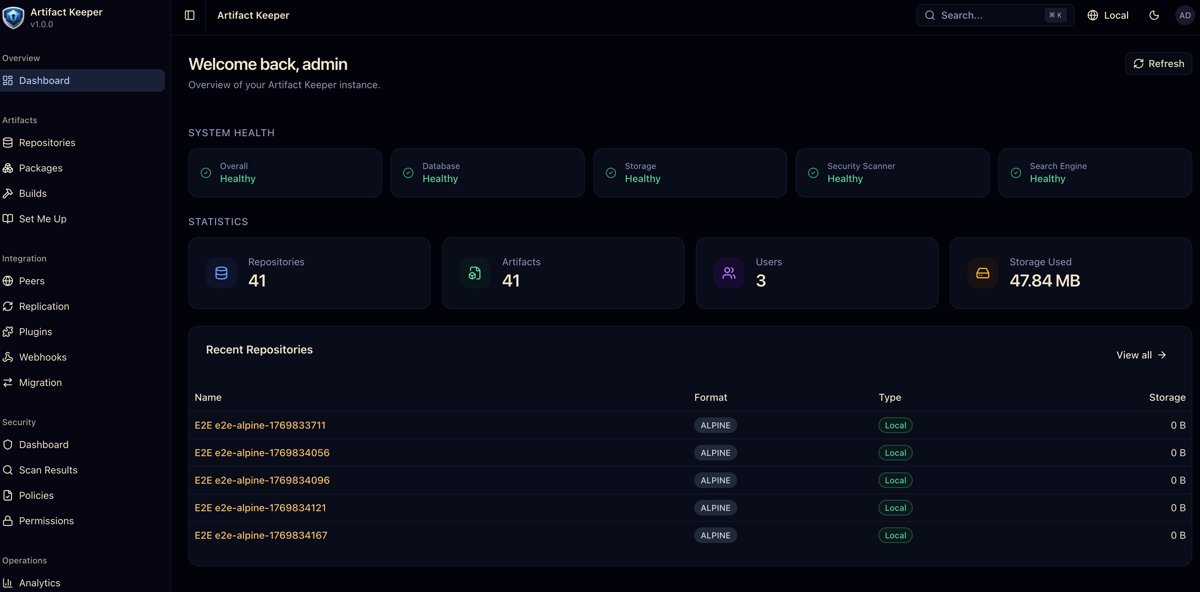
Authentication and access control are addressed through multiple options including OpenID Connect, LDAP, SAML 2.0, JWT, and API tokens, with role-based access control supporting per-repository permissions. For organizations considering migration, Artifact Keeper provides built-in tooling to migrate repositories, artifacts, users, and permissions from JFrog Artifactory with a single command.
The project's quick start approach lowers adoption barriers, with Docker Compose setup allowing users to get running in minutes. The documentation suggests this simplicity extends to other deployment options including Docker, Kubernetes, and AWS.
However, the artifact registry space remains competitive. While Artifact Keeper presents a compelling open-source alternative, established solutions like JFrog Artifactory and Sonatype Nexus have years of enterprise adoption, extensive integration ecosystems, and dedicated support teams. Newer entrants like Package Registry (GitLab's offering) and Cloudflare's R2 also continue to evolve the market.
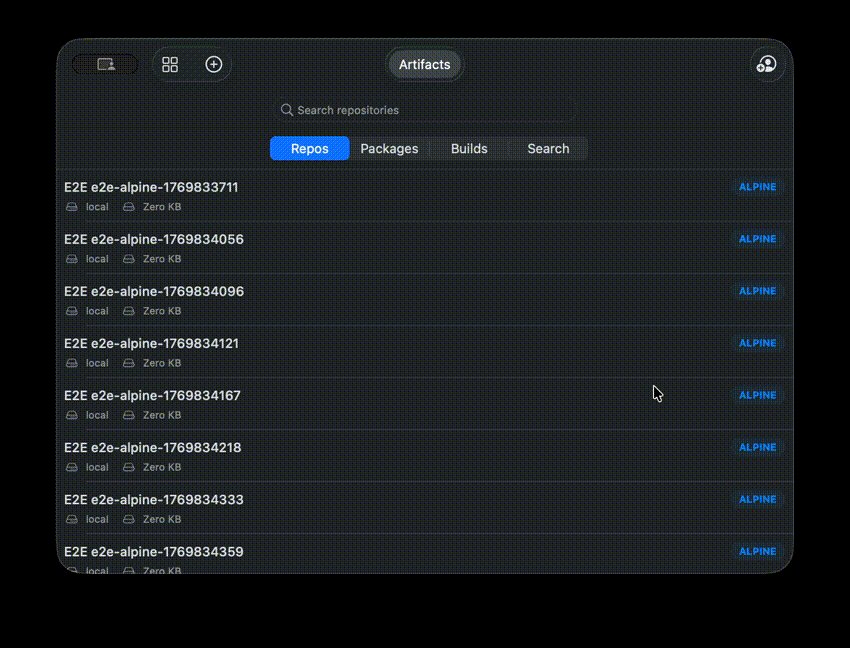
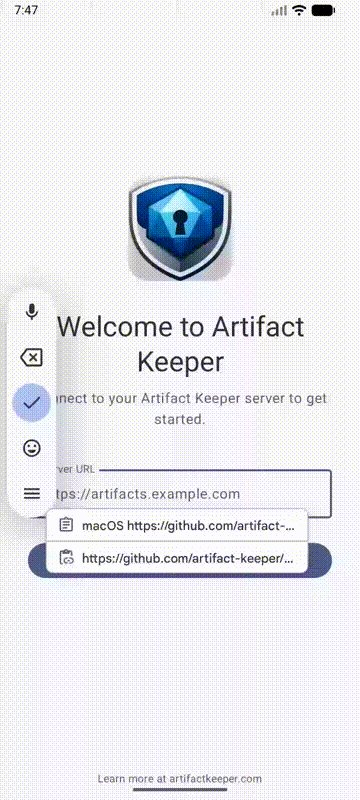
The mobile apps represent an interesting differentiator, allowing administrators to manage registries from anywhere with native applications featuring adaptive layouts. This focus on cross-platform accessibility could appeal to DevOps teams distributed across various environments.
Community sentiment appears cautiously optimistic. The MIT license with "Every feature. No exceptions." approach resonates with developers frustrated by open-core models where essential functionality is locked behind enterprise pricing. The project's GitHub repository shows active development with multiple components being maintained in parallel.
Potential challenges include the maturity of the project compared to established solutions, the learning curve for organizations deeply invested in existing ecosystems, and the operational overhead of maintaining another self-hosted service despite the simplified deployment. Organizations with strict compliance requirements may also need to verify that the open-source solution meets their specific regulatory needs.
The emergence of Artifact Keeper reflects a broader pattern in the developer community: increasing preference for open-source infrastructure with enterprise features, combined with a desire for transparent pricing models without artificial feature segmentation. As organizations continue to evaluate their artifact management strategies, projects like this one may gain significant traction, particularly among mid-sized companies and cloud-native organizations.
For organizations interested in exploring this alternative, the GitHub repository provides comprehensive documentation, and the live demo offers hands-on experience without requiring local setup. The project's modular architecture suggests it could serve as a foundation for custom artifact management solutions while maintaining compatibility with existing toolchains.
Comments
Please log in or register to join the discussion