
The Department of Education has disclosed $6.5 billion in foreign funding to U.S. universities since 2020, with Harvard and Stanford topping the list amid heightened scrutiny of international academic ties.
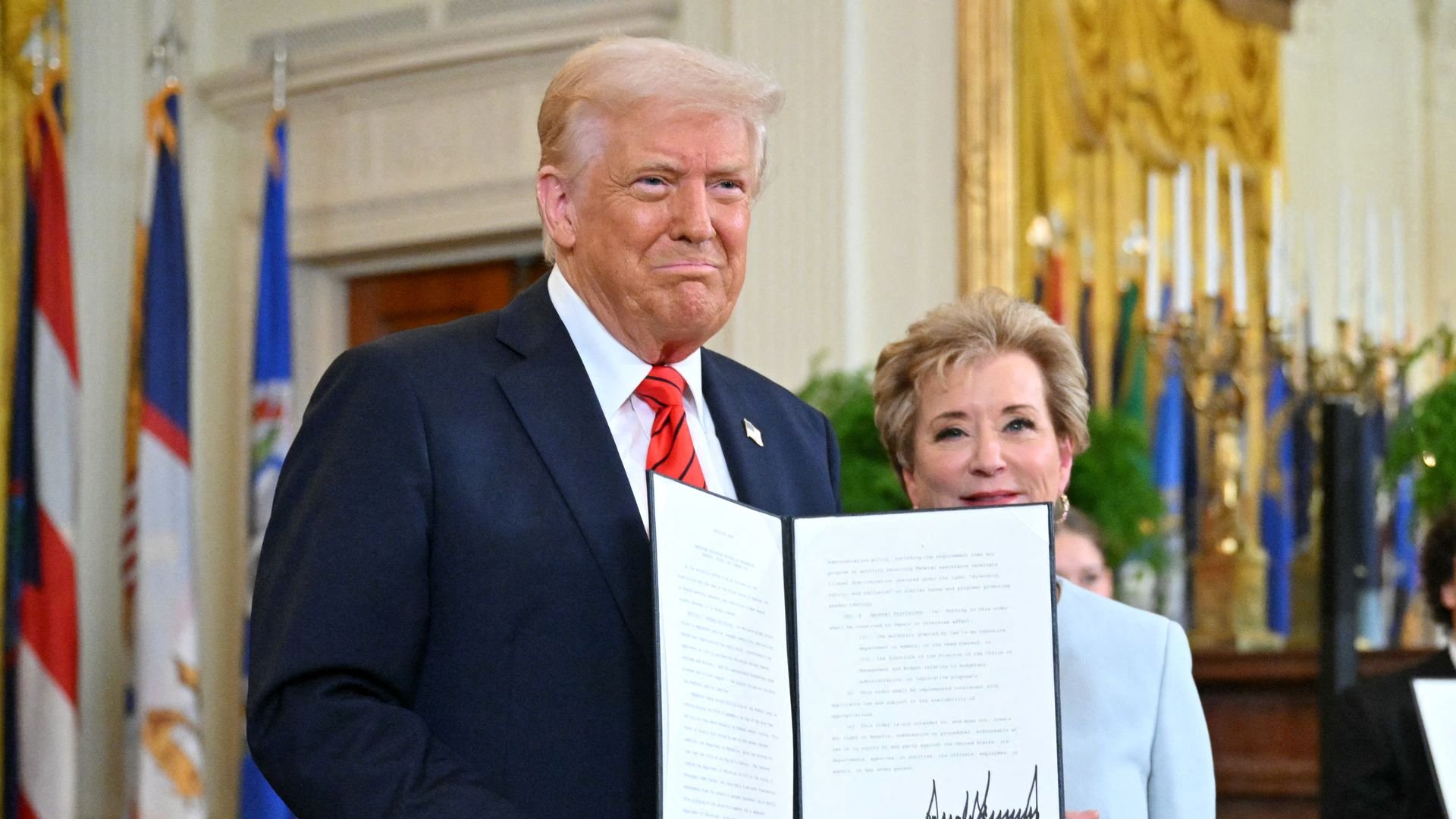
The Department of Education has published unprecedented foreign funding disclosures revealing 7,000+ transactions totaling $6.5 billion received by U.S. universities since 2020. Harvard University leads with $275.6 million in reported foreign funding, followed by Stanford University at $64.7 million, according to the newly released data mandated by Section 117 of the Higher Education Act.
This disclosure follows a multi-year enforcement push by the Trump administration targeting perceived transparency gaps in foreign research funding. The data covers gifts, contracts, and restricted donations exceeding $250,000 from entities including sovereign wealth funds, foreign corporations, and foreign governments. Saudi Arabia ($1.3 billion), Qatar ($1.1 billion), and China ($636 million) emerged as the top three source countries.
For universities, the disclosures introduce new operational complexities:
- Compliance Costs: Institutions now allocate 3-5% more administrative resources to disclosure tracking systems. Harvard reported dedicating 12 full-time staff to compliance, adding $1.2 million in annual overhead.
- Research Funding Risks: 78% of disclosed funds support STEM research. MIT's $38 million partnership with Saudi Aramco for energy projects exemplifies collaborations now under scrutiny.
- Geopolitical Pressures: Chinese funding dropped 27% year-over-year amid trade tensions, while Qatari funding increased 18% through partnerships like Cornell's Weill Medicine campus in Doha.
Market implications extend beyond academia:
- Endowment Impact: Foreign gifts constitute 8-15% of annual funding for top private universities. Restrictions could pressure endowment returns already facing 6.8% average declines in FY2023.
- Tech Transfer Risks: 32% of disclosed funds target AI and semiconductor research. Stanford's $22 million Huawei partnership terminated in 2023 illustrates rising sensitivity around dual-use technologies.
- Enrollment Economics: International students contribute $38 billion annually to the U.S. economy. New disclosure rules may accelerate enrollment shifts toward Canada and Australia, which saw 14% and 9% international student growth respectively in 2023.
The Department of Education maintains this transparency protects national security interests. However, university administrators argue the reporting thresholds capture benign donations while missing smaller, higher-risk research collaborations. With compliance audits underway at 12 institutions and penalties reaching $6 million per violation, elite universities face aggressive recalibration of global partnerships amid tightening geopolitical constraints.
Historical context shows foreign funding reporting was previously decentralized, with universities submitting inconsistent disclosures. The new centralized database enables systematic analysis but excludes classified research agreements handled through defense channels. As endowment managers reassess international gift acceptance policies, the financial calculus for U.S. research leadership enters uncharted territory.
Comments
Please log in or register to join the discussion