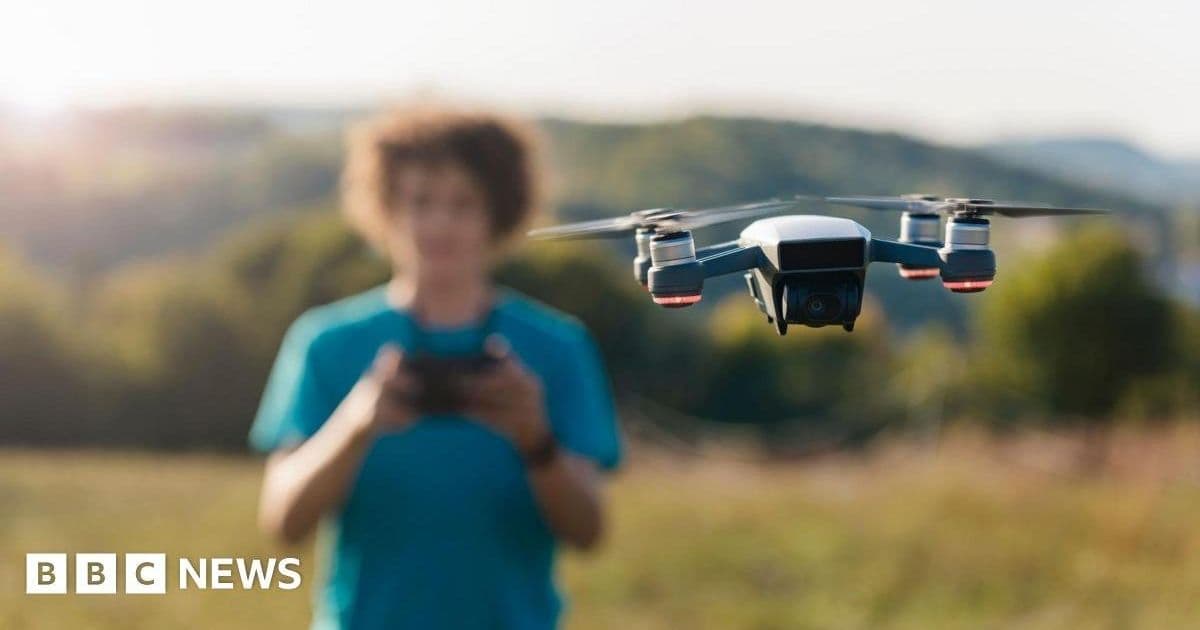
Starting January 1st, UK drone users must pass an online theory test to fly devices weighing 100g or more outdoors. The Civil Aviation Authority's new rules, affecting up to half a million people, aim to enhance safety and privacy but raise enforcement questions.
For many in the UK who received drones as Christmas gifts, the festive excitement may soon give way to regulatory reality. From January 1st, flying drones or model aircraft outdoors will require passing a theory test administered by the Civil Aviation Authority (CAA) to obtain a Flyer ID. This marks a significant shift, as the mandate previously applied only to devices over 250g—now lowered to just 100g, a weight category that includes popular consumer drones like the DJI Mini series.
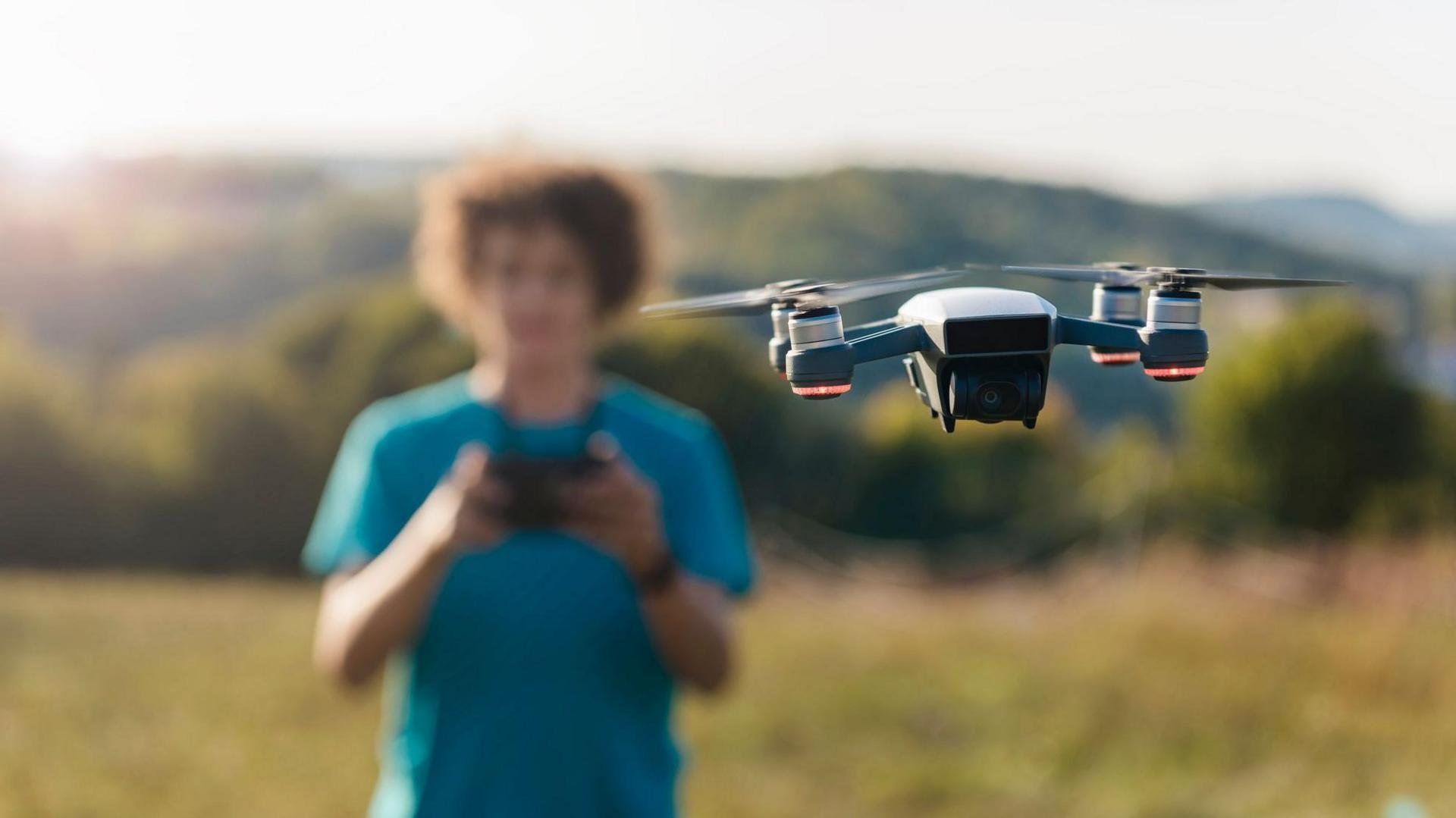
The CAA estimates up to half a million people could be affected by these changes. Jonathan Nicholson, a CAA spokesperson, emphasized the urgency: "With drones becoming a common Christmas present, it's vital that users check the new rules and know how to operate their drone safely before they fly." Beyond the Flyer ID, which is valid for five years, owners of drones over 100g equipped with cameras must also register for an Operator ID.
The regulations introduce age-specific stipulations: children under 13 need parental supervision to take the free online test, while those under 12 must fly under the guidance of someone over 16. The CAA positions these updates as a simplification to support the "safe expansion" of drone usage, clarifying no-fly zones and privacy protocols for camera-equipped devices. However, flying without IDs is illegal, punishable by fines or imprisonment—a point underscoring the CAA's focus on mitigating risks like unauthorized surveillance or airspace incursions.
"You're always going to get people who make mistakes or can't be bothered," said Dr. Alan McKenna, a law lecturer at the University of Kent. He highlighted potential enforcement challenges, noting that resource constraints could lead some to "fly under the radar," amid broader concerns about drones' environmental, privacy, and safety impacts.
This regulatory tightening reflects a global trend as authorities grapple with the rapid proliferation of aerial technology. For developers and engineers, it signals a need for future drone designs to integrate compliance features, such as geofencing, while hobbyists must now balance innovation with adherence to evolving legal frameworks. As drone usage soars, these rules aim not just to police but to educate—turning casual flyers into informed operators.
Source: BBC News
Comments
Please log in or register to join the discussion