
AI models like GPT and Claude excel at comprehension but remain frustratingly passive, unable to execute tasks without manual intervention. MCP servers solve this by enabling direct, local action—letting AI read files, send emails, or automate workflows through simple natural language commands. This shift from advisor to assistant promises to redefine human-computer interaction and accelerate the next phase of AI agency.
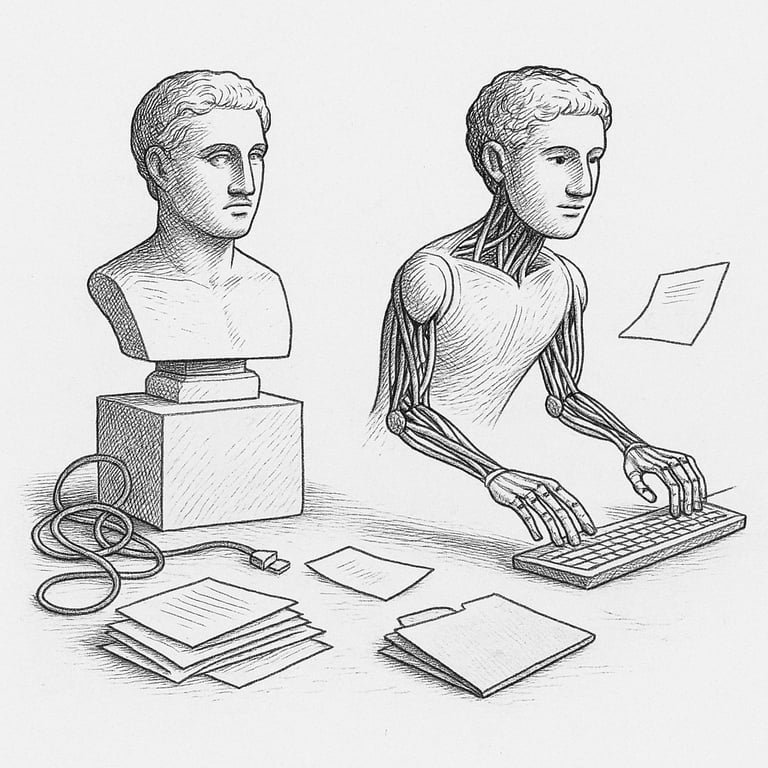
For years, the AI revolution has centered on understanding—models like GPT parse questions, Claude deciphers code, and Gemini interprets context. Yet this intelligence is trapped behind a glass wall: AI can diagnose a problem or draft a solution, but it can't act on it. As the source article poignantly notes, it's like being assisted by "someone wearing oven mitts"—brilliant at guidance, but incapable of wielding the tools themselves. This limitation forces users into a tedious loop of copy-pasting outputs, turning potential efficiency into friction.
The Breakthrough: MCP Servers Grant AI Agency
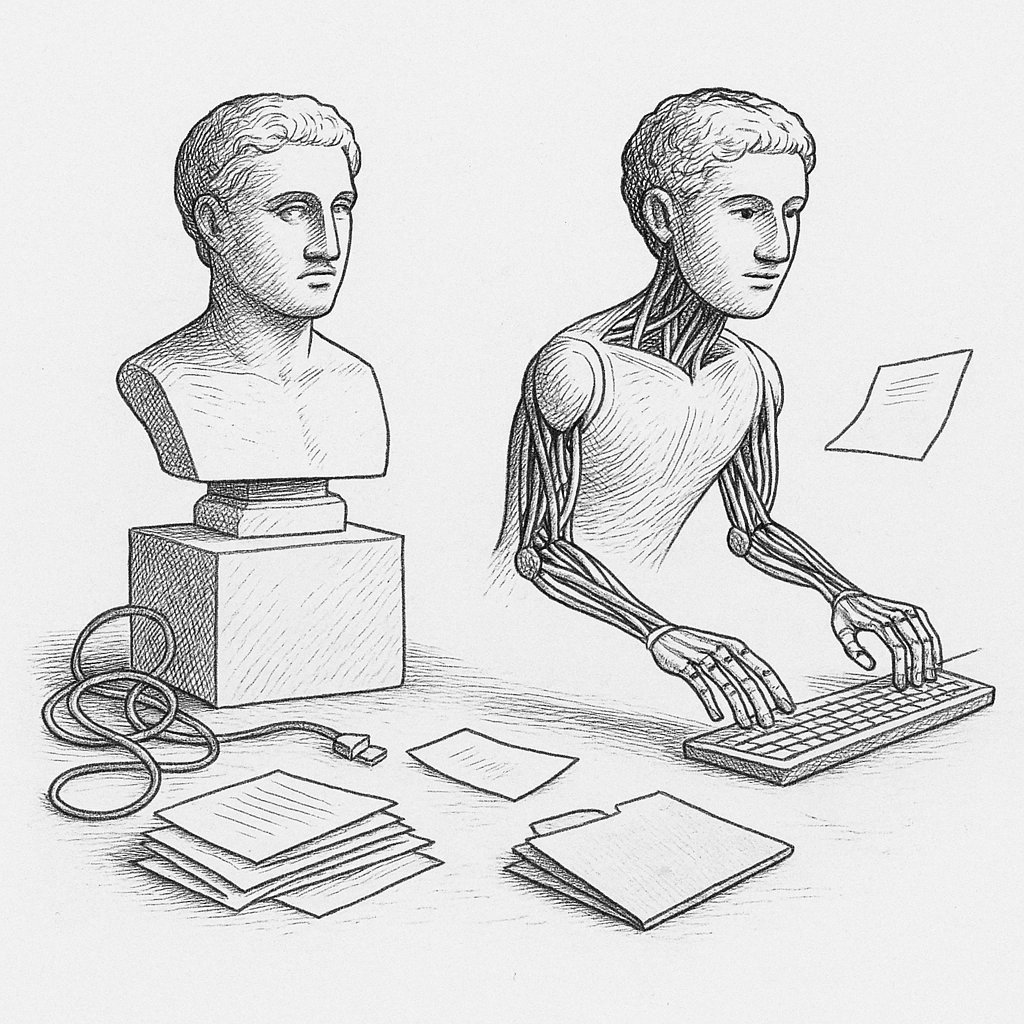
Enter MCP (Model Context Protocol) servers, a deceptively simple solution that bridges the gap between AI cognition and real-world action. As detailed in the source, an MCP server is a lightweight local program that exposes basic functions—like read_file, send_email, or open_website—via a JSON-RPC schema. When integrated with an AI model such as Claude, users can issue natural language commands (e.g., "Reply to John's email" or "Organize my downloads folder"), and the AI executes them directly, no APIs or manual steps required.
Why Boring Tech Wins
The elegance of MCP lies in its mundanity. Unlike complex cloud-based integrations, it relies on decades-old protocols:
{
  "method": "write_file",
  "params": {
    "path": "/docs/report.txt",
    "content": "AI-generated analysis..."
  }
}
This simplicity ensures reliability and security—critical when AI handles sensitive local data. By running entirely on-device, MCP eliminates cloud latency, authentication headaches, and vendor lock-in. Users retain full control, approving each capability (e.g., file access permissions), which prioritizes privacy without sacrificing immediacy.
From Friction to Fluidity: Real-World Impact
The implications are profound. Email management shrinks from minutes to seconds: instead of drafting, copying, and sending, a single command handles it all. File operations evolve from AI-suggested scripts to instant execution. But the true power emerges in composition—MCP servers can chain tools seamlessly. For instance:
"Claude can read an email attachment, scrape a web dashboard, compare data, and generate a report—all in one request. This transforms AI from a consultant into a digital colleague," as the source emphasizes.
The Local Advantage and Future Horizon
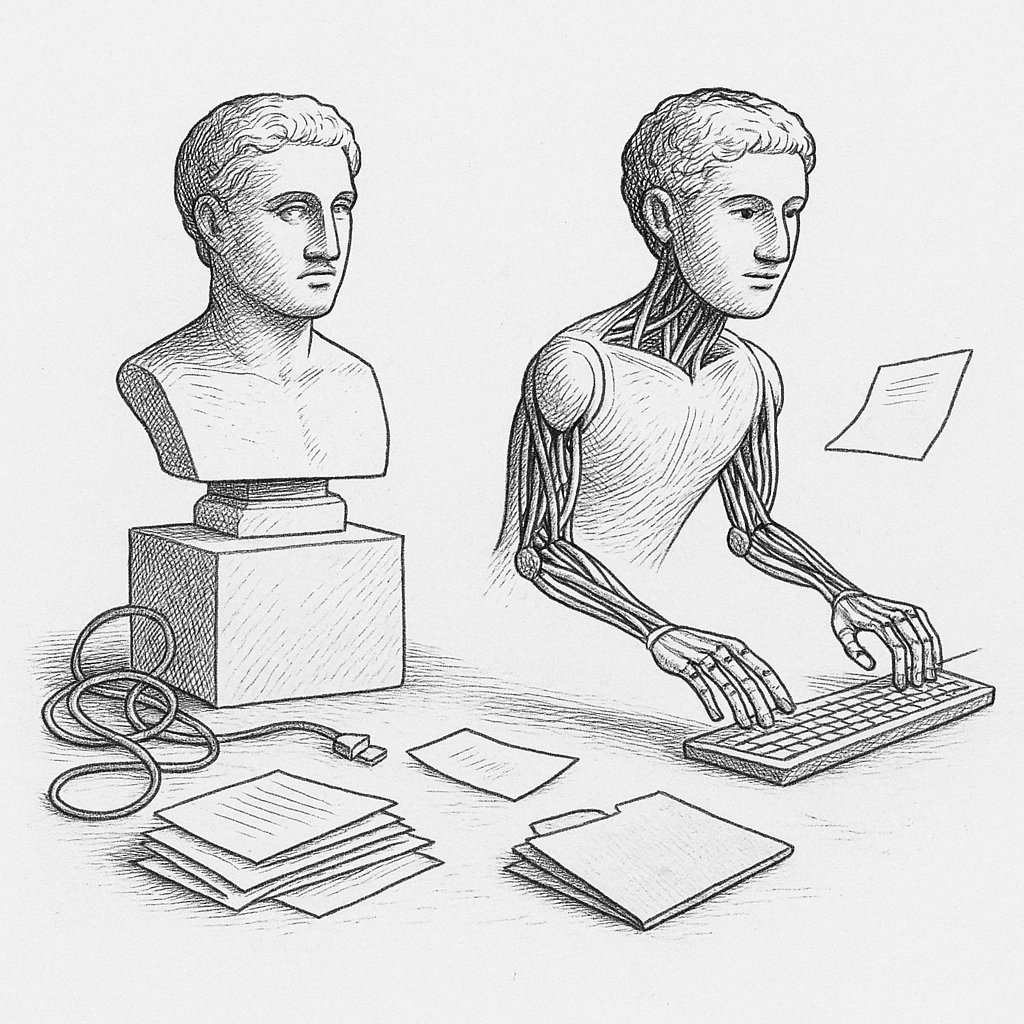
Local execution isn't just about privacy; it enables trust and speed. Cloud APIs introduce barriers like rate limits and costs, but MCP operates at machine-native velocity. As developers adopt this pattern—exposing endpoints for calendars, browsers, or custom apps—ecosystems will flourish. The source predicts a paradigm shift: "You stop thinking in terms of applications and start thinking in terms of tasks." This could birth a Natural Language Interface era, where computers finally become true "bicycles for the mind," autonomously steering through workflows.
With frameworks this accessible, adoption will likely surge. As the source concludes, once developers realize they can add AI agency with "a few hundred lines of code," the transition from intelligence to action will accelerate—reshaping everything from personal productivity to enterprise automation.
Source: rashidazarang.com
Comments
Please log in or register to join the discussion