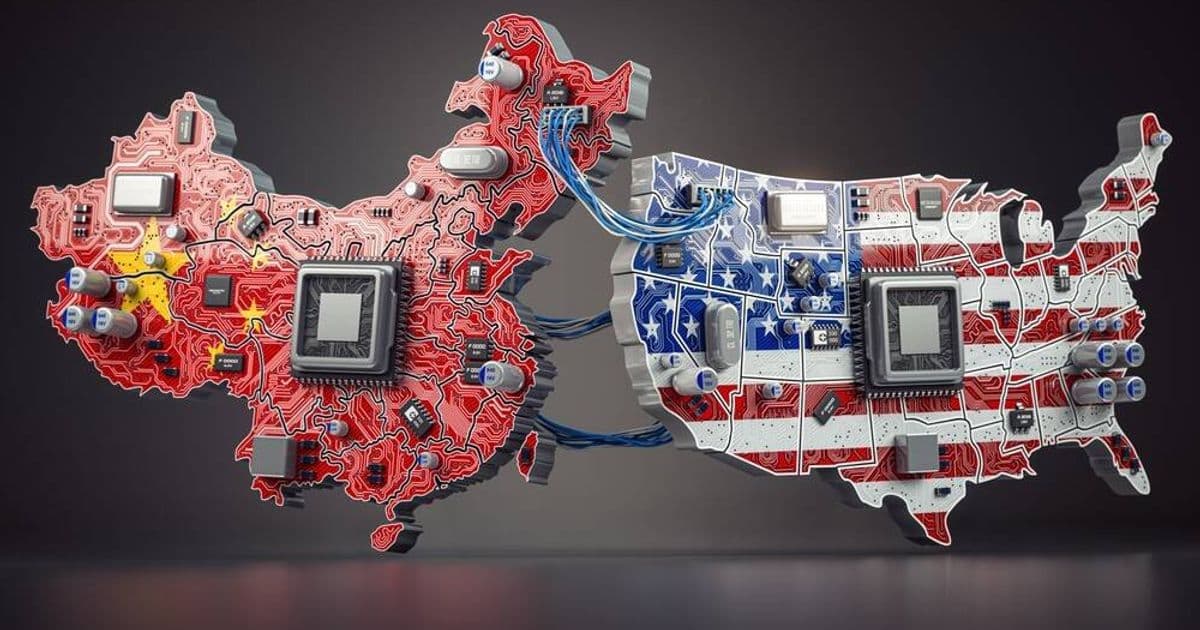
The Trump administration has unveiled new export controls requiring Nvidia and AMD to prioritize US buyers before shipping GPUs to China, with strict supply quotas and security vetting amid national security concerns.
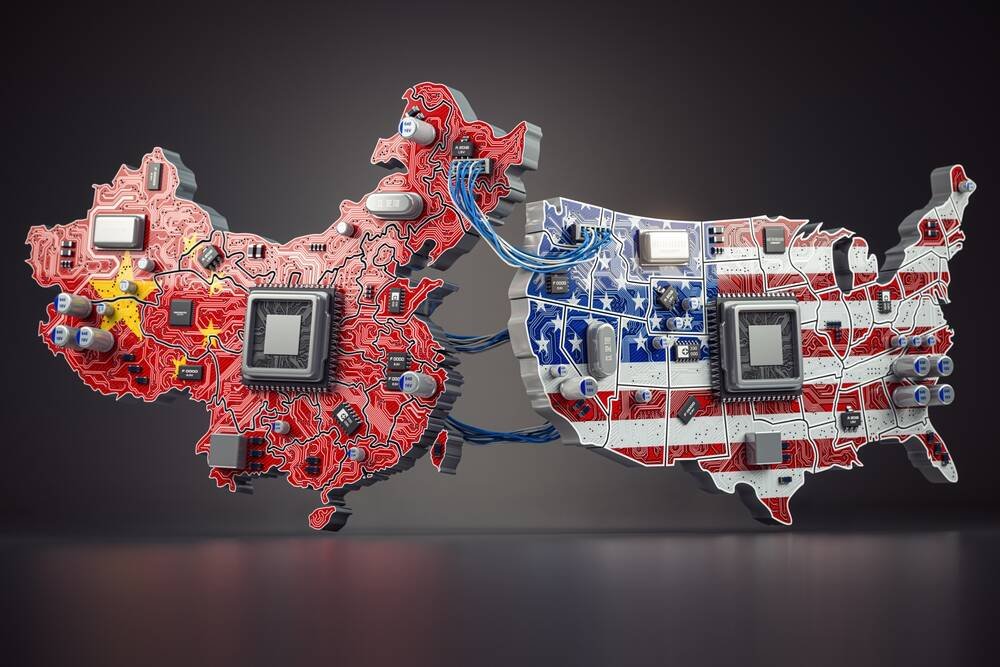
The US Department of Commerce has implemented rigorous new export controls that systematically deprioritize Chinese buyers of advanced AI accelerators, marking a significant escalation in technology trade restrictions. Under rules published this week by the Bureau of Industry and Security (BIS), Nvidia and AMD must now satisfy four strict conditions before exporting H200 and MI325X GPUs to China:
- Domestic Supply Priority: Exports may only occur when US buyers have secured "sufficient supply" of the requested hardware
- Manufacturing Constraints: Production for Chinese customers cannot divert global foundry capacity from US buyers seeking "similar or more advanced products"
- Security Vetting: Recipients must pass enhanced Know Your Customer checks and demonstrate robust security protocols
- Performance Verification: All chips require third-party testing in US facilities to validate specifications
Additionally, shipments to China are capped at 50% of the volume shipped to US customers for each specific GPU model. The regulations (outlined in this BIS filing) explicitly target preserving "US leadership in artificial intelligence" by limiting China's access to computing resources deemed critical for military applications.
This policy reversal follows a turbulent period where initial bans on Nvidia's H200 accelerator led to the creation of a deliberately limited H20 variant - which was subsequently banned itself, costing Nvidia over $10 billion in lost sales. Though the administration has now reopened limited exports, Chinese buyers face structural disadvantages: the permitted GPUs use older architectures than those available domestically in the US, and the 50% shipment quota creates an enforced waiting list favoring American customers.
Chinese tech firms have historically demonstrated remarkable efficiency with constrained resources, as evidenced by Alibaba Cloud and DeepSeek achieving unusually high GPU utilization rates. However, these new rules introduce unprecedented compliance burdens including mandatory disclosure of any remote users from China, Russia, Iran, North Korea, and other sanctioned jurisdictions. Each export application will undergo case-by-case BIS review, creating administrative friction that may deter transactions.
The muted investor reaction - with Nvidia and AMD stocks showing negligible movement - suggests market skepticism about meaningful revenue generation under these constraints. While the rules theoretically preserve US technological advantage, they risk accelerating China's domestic chip development efforts even as they complicate global supply chain operations for American semiconductor firms. This regulatory framework establishes a clear hierarchy of market access that fundamentally reshapes how AI hardware reaches one of the world's largest technology markets.
Comments
Please log in or register to join the discussion