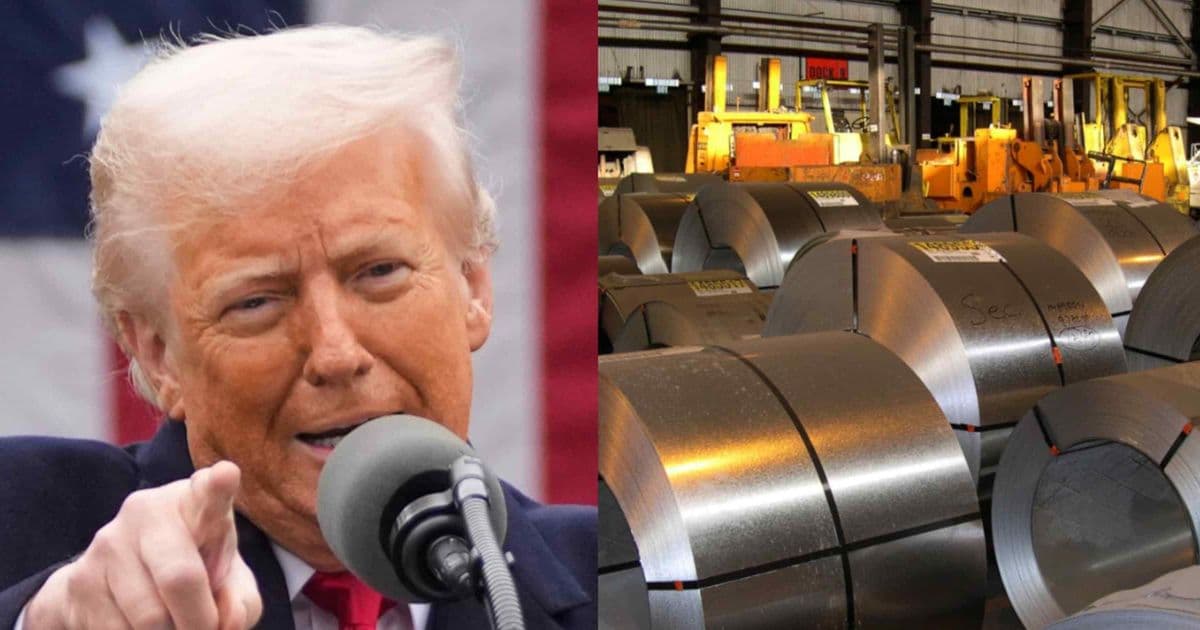
One year after President Trump imposed significant tariffs on steel and aluminum imports, the US steel industry has experienced substantial growth in domestic production and prices, while imports have decreased significantly. This shift has attracted Japanese companies seeking opportunities as their Asian competitiveness wanes, while China's share of US steel imports has plummeted to less than half its previous peak.
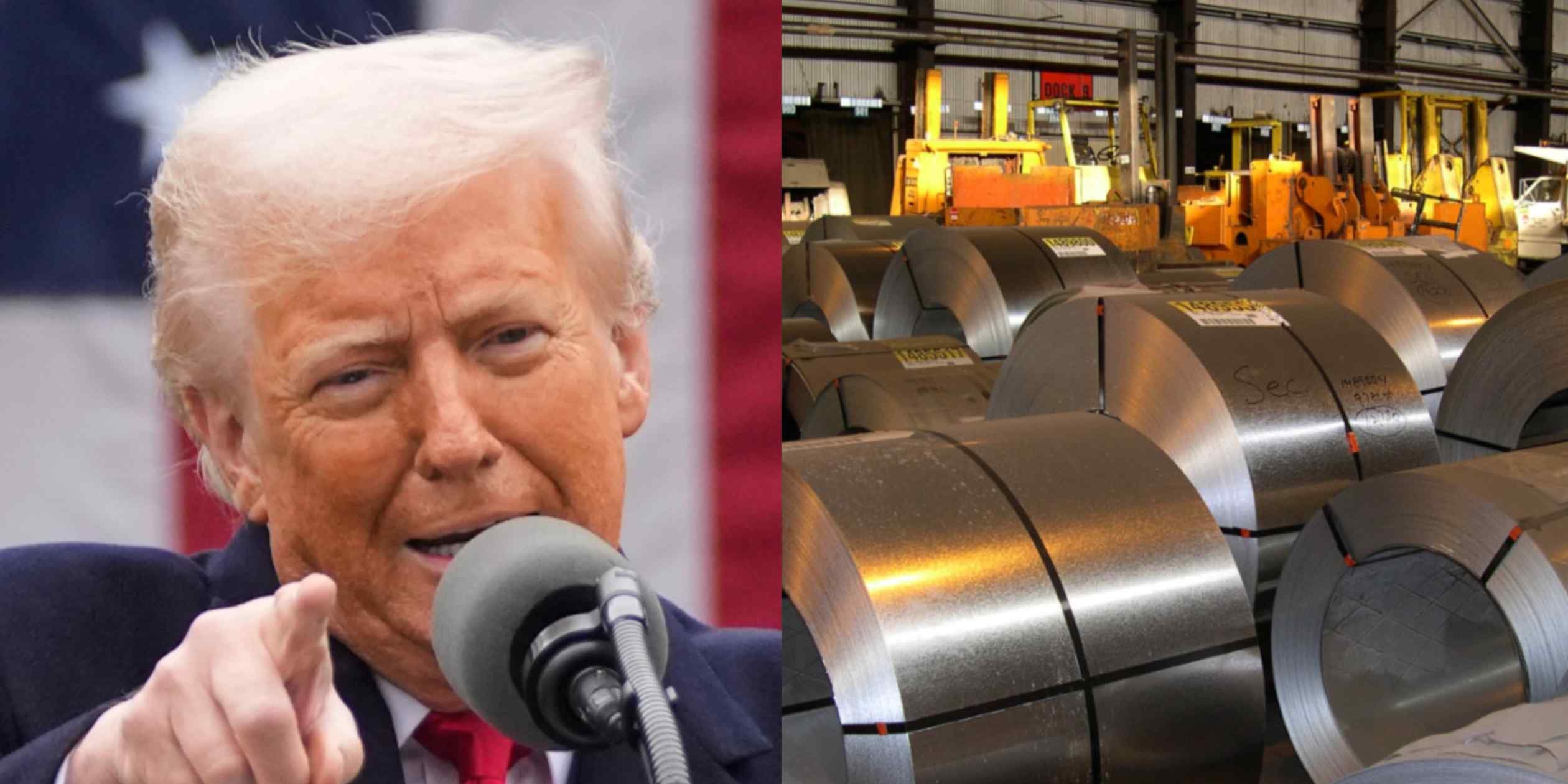
US steel prices and domestic production have surged significantly one year after President Donald Trump implemented substantial tariffs on steel and aluminum imports, according to market data and industry reports. The tariffs, initially set at 25% for both metals before being raised to 50% for steel, have fundamentally reshaped the US steel market, reducing import dependency while boosting domestic production capacity and prices.
Market Transformation
The impact of Trump's protectionist measures has been dramatic. US crude steel production increased by approximately 8.2% in the year following the tariff implementation, reaching levels not seen since before the 2008 financial crisis. Meanwhile, domestic steel prices rose by an average of 23% according to the American Institute for International Steel, with hot-rolled coil prices climbing from $620 per ton in March 2025 to $760 per ton by March 2026.
Import figures tell an equally compelling story. Total steel imports to the United States decreased by 35% in the year following the tariff implementation, with Chinese imports experiencing the most significant decline. China's share of US steel imports fell to just 9%, representing less than half of its previous peak of over 20% before the tariffs took effect. This decline reflects both the direct impact of the tariffs and the broader trade tensions between the two economic superpowers.
Japanese Investment Surge
As Asian markets become increasingly challenging for Japanese steel manufacturers, many are redirecting investment toward the United States. Nippon Steel, Japan's largest steel producer, announced a $1.2 billion expansion of its Alabama facility, while Sumitomo Corporation acquired a Pittsburgh-based steel distribution company for $850 million. These investments represent a strategic shift by Japanese companies seeking to leverage the protected US market while facing growing competition in Asia.
"The US market has become increasingly attractive due to the tariff protection," said Hiroshi Tanaka, an analyst at the Japan Steel Institute. "Japanese companies are positioning themselves to benefit from the higher domestic prices and reduced import competition in the United States."
Industry Restructuring
The tariff-induced market shift has prompted significant restructuring within the US steel industry. Smaller, less efficient producers have either been acquired by larger competitors or exited the market entirely, while major producers like U.S. Steel and Nucor have announced capacity expansions totaling over $5 billion. This consolidation has improved the industry's overall efficiency while maintaining higher price levels.
The American Iron and Steel Institute reported that operating margins for US steel producers increased from an average of 8% before the tariffs to 18% in the most recent quarter, reflecting both higher prices and improved cost structures through consolidation.
Global Trade Implications
The US tariffs have had ripple effects across global steel markets. Countries not directly affected by the tariffs, such as Brazil and South Korea, have redirected their steel exports to other markets, creating gluts in some regions while shortages in others. The European Union, initially critical of the US tariffs, has implemented its own measures to protect its domestic steel industry from displaced imports.
The World Trade Organization has yet to rule on the legality of the US tariffs, with several trade partners including China, the European Union, and Canada having filed formal complaints. The ongoing dispute has added uncertainty to global trade relations, though the immediate economic benefits to US steel producers have been substantial.
Consumer Impact
The higher steel prices have begun to affect downstream industries, particularly automotive and construction. The Alliance for Automotive Innovation reported that the average cost of a vehicle increased by approximately $300 due to higher steel prices, while the National Association of Home Builders estimated that new home construction costs rose by 2.5% due to steel-related price increases.
Despite these increases, the impact has been somewhat mitigated by strong demand in both sectors and the ability of manufacturers to absorb some of the cost increases. However, prolonged elevated steel prices could eventually lead to more significant price increases for consumers.
Future Outlook
Industry analysts expect the US steel market to remain strong for the foreseeable future, with domestic production likely to continue increasing as planned expansions come online. The tariff protections are expected to remain in place at least through the remainder of Trump's current term, providing a stable environment for continued investment.
"The combination of trade protection and infrastructure spending promises to create favorable conditions for the US steel industry for several years," said Michael Patterson, director of steel market research at the Industrial Economics Institute. "However, the long-term competitiveness of the industry will ultimately depend on its ability to improve efficiency and productivity."
As the one-year anniversary of the tariffs approaches, the US steel industry stands as one of the clearest examples of the impact of Trump's trade policies. While the benefits to domestic producers have been significant, the broader economic implications and potential trade disputes continue to unfold.
Comments
Please log in or register to join the discussion