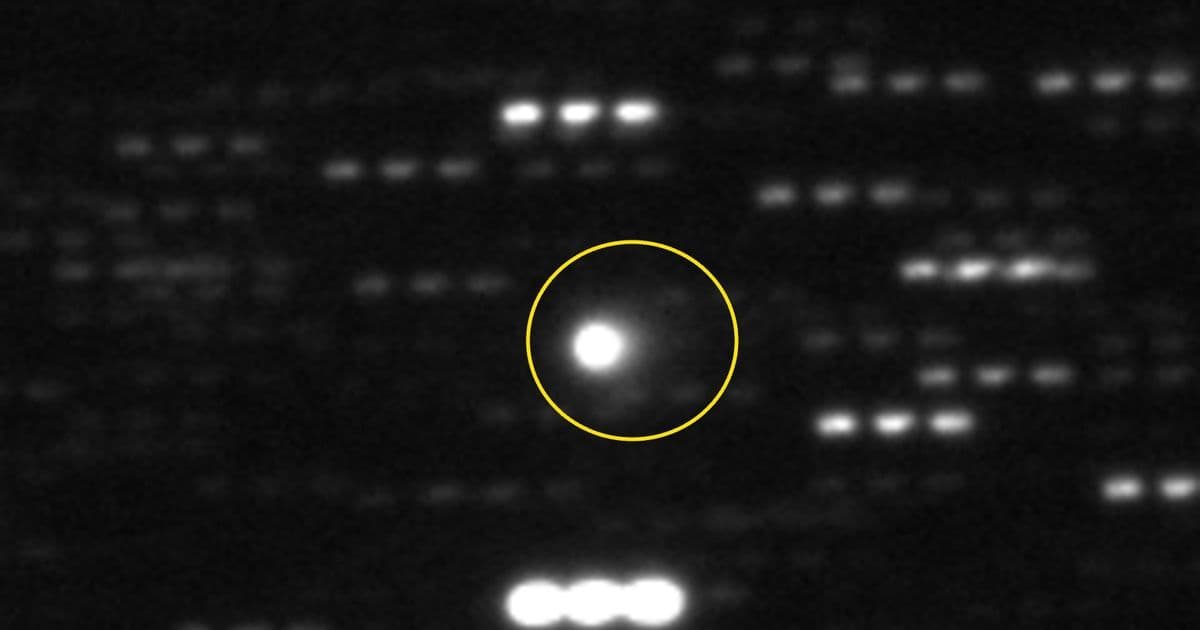
New analysis of Vera C. Rubin Observatory's early data confirms interstellar comet 3I/ATLAS boasts a 7-mile-wide nucleus—making it the largest known visitor from beyond our solar system. The findings demonstrate the observatory's unprecedented capability to detect and characterize interstellar objects, foreshadowing a revolution in tracking alien interlopers.
A celestial giant is passing through our cosmic neighborhood, and humanity's newest eyes on the sky have revealed its unprecedented scale. Analysis of early data from the Vera C. Rubin Observatory has confirmed that interstellar comet 3I/ATLAS possesses a nucleus approximately 7 miles (11.2 kilometers) in diameter—making it the largest known interstellar object (ISO) ever detected traversing our solar system. This measurement, extracted from images captured by Rubin's revolutionary camera system ten days before the comet's official discovery, underscores the observatory's transformative potential for identifying and characterizing visitors from distant star systems.
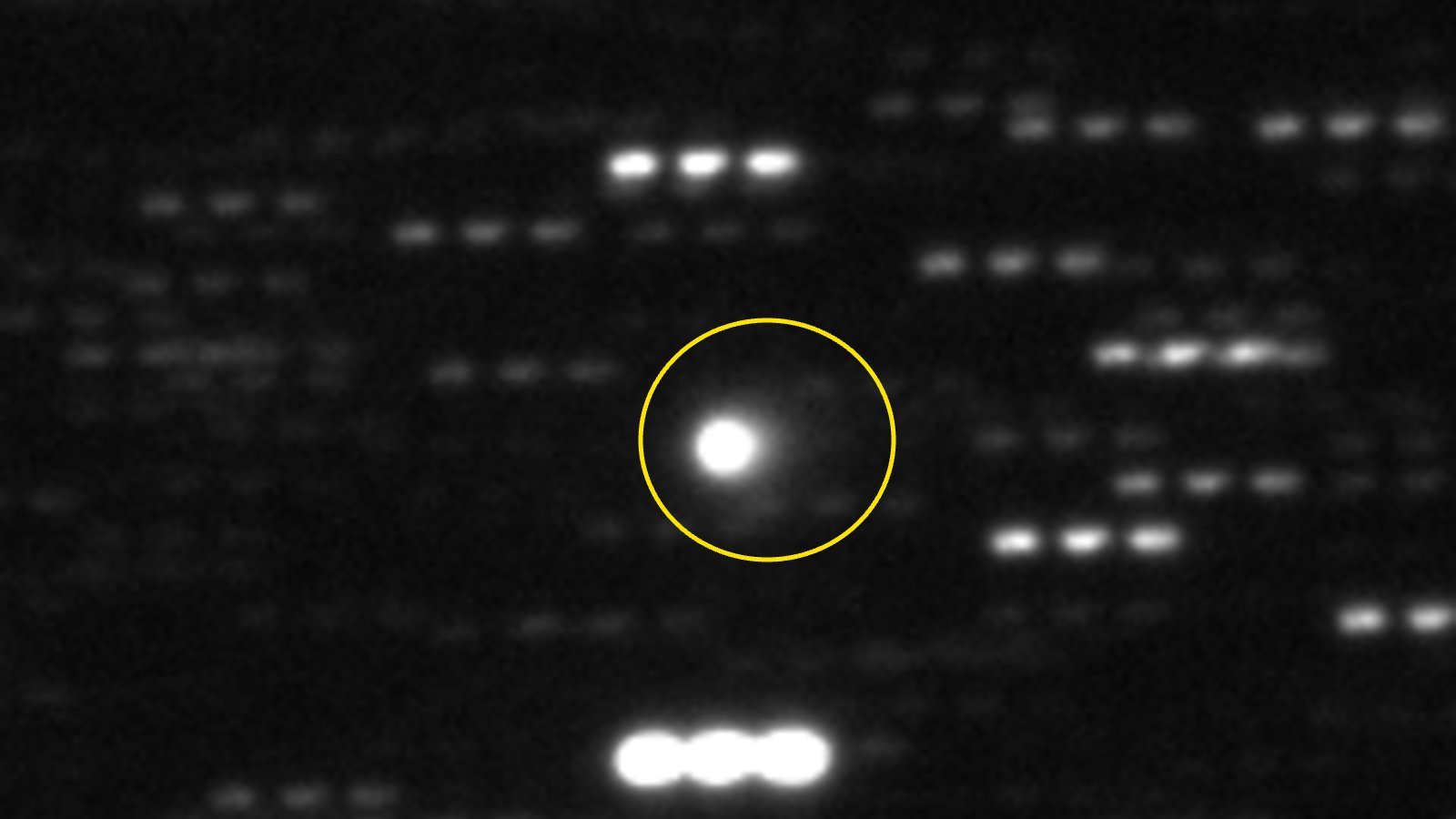
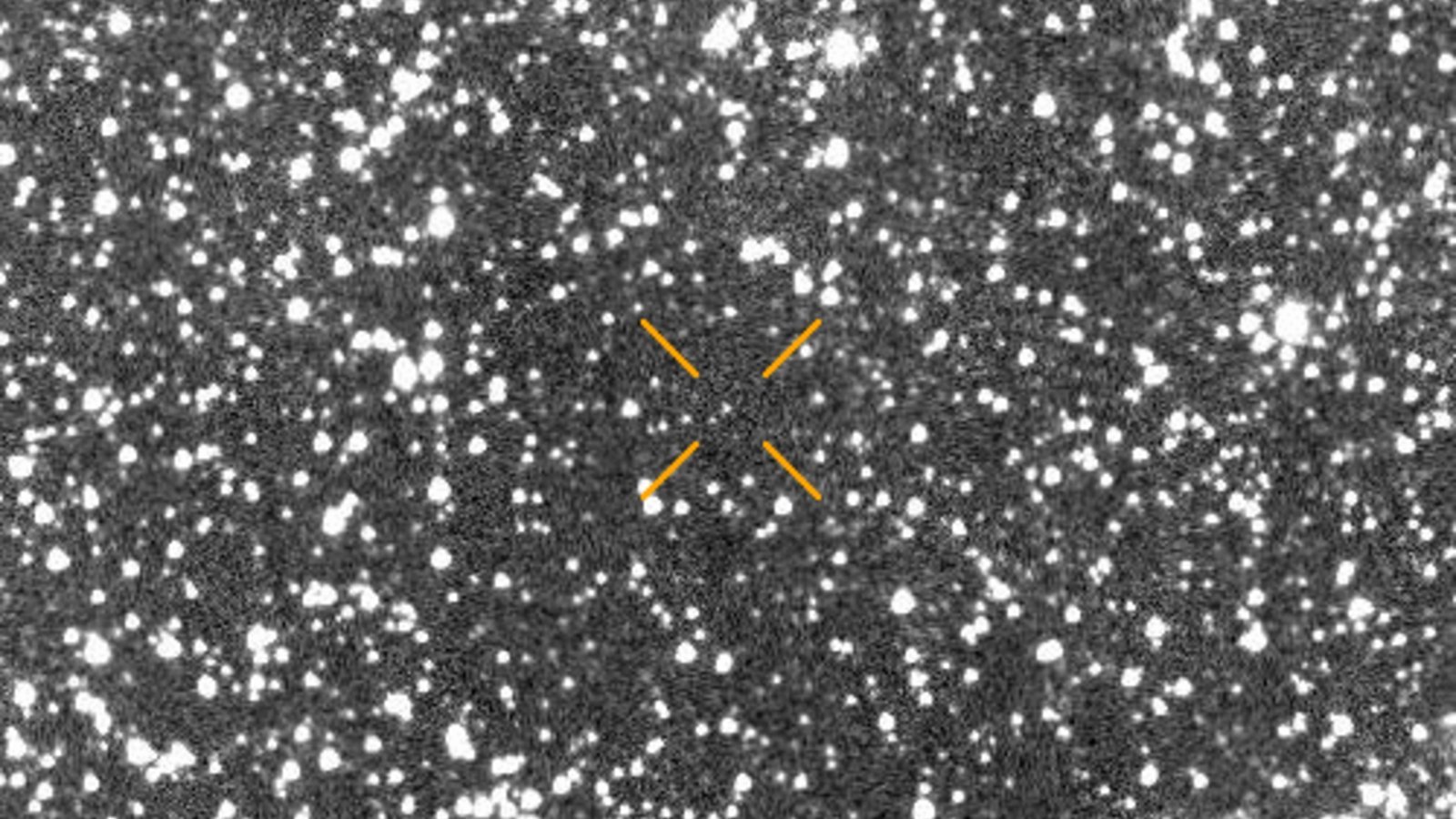
Pre-Discovery Insights Reveal Scale The comet, first spotted on July 1 hurtling sunward at over 130,000 mph (210,000 km/h) by the Asteroid Terrestrial-impact Last Alert System (ATLAS), was quickly confirmed as the third known ISO. While initial observations could only measure its expansive coma—the envelope of gas and dust surrounding the nucleus—at up to 15 miles across, Rubin's pre-discovery images from June 21 provided the critical data to determine the nucleus size itself. The study, involving over 200 researchers and uploaded to the preprint server arXiv, calculated a likely radius of 3.5 miles (diameter of 7 miles) with a margin of error of just 0.4 miles (0.7 km).
Contextualizing an Interstellar Giant 3I/ATLAS dwarfs its interstellar predecessors:
- 1I/'Oumuamua (2017): Estimated at ~0.2 miles (0.4 km) wide
- 2I/Borisov (2019): Nucleus measured at ~0.6 miles (1 km) wide Beyond its record size, Rubin's data also provided detailed analysis of the comet's coma composition, revealing significant amounts of dust and water ice. This evidence firmly establishes 3I/ATLAS as a natural cometary body, countering fringe speculation about artificial origins. Computer modeling tracing its trajectory suggests it could be astonishingly ancient, potentially billions of years older than Earth.
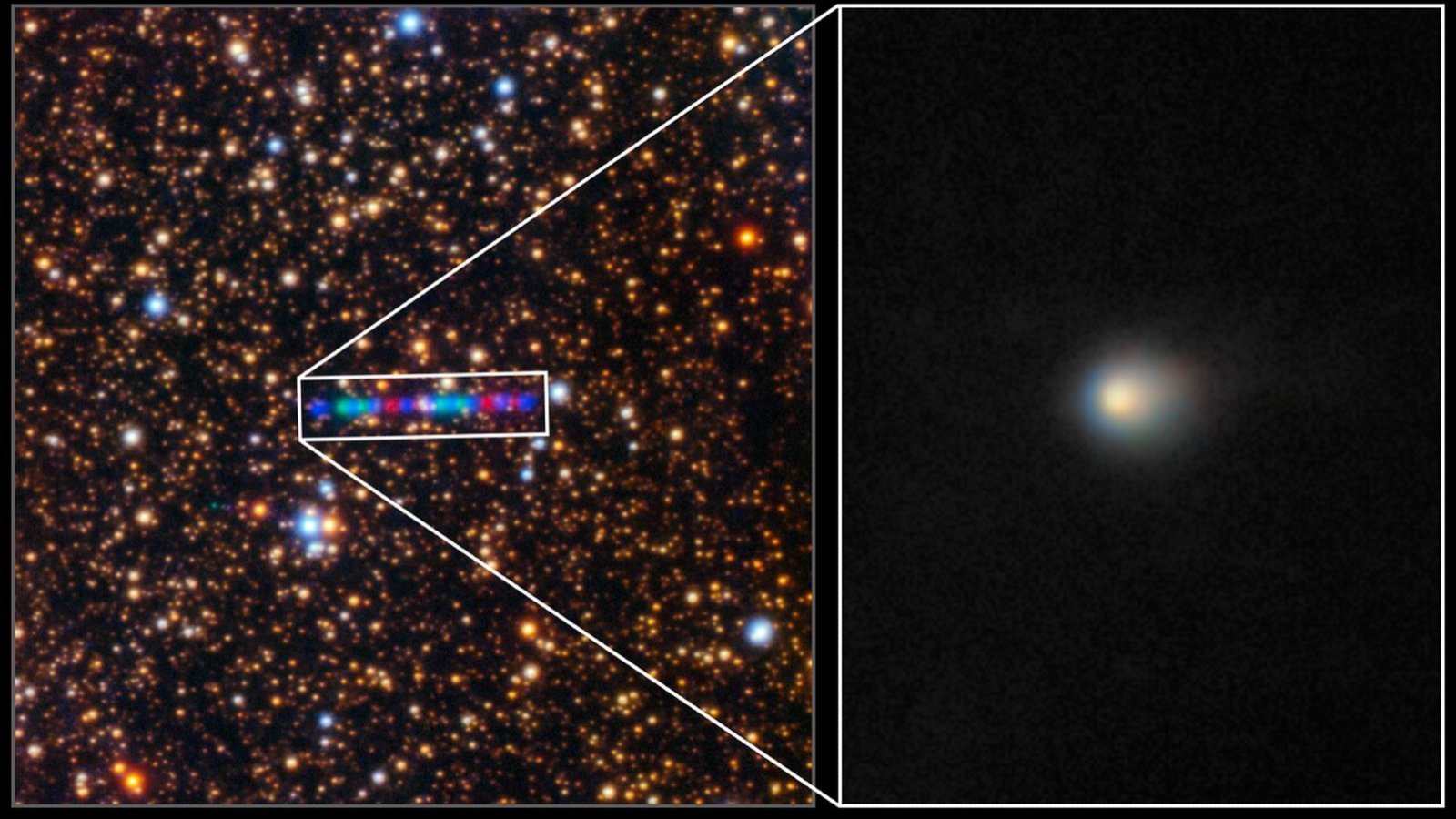
Rubin Observatory: Ushering in a New Era of Discovery The successful characterization of 3I/ATLAS using Rubin's early data serves as a powerful validation of the observatory's capabilities even before its full operational debut later this year. Located in Chile, Rubin houses the world's largest digital camera and is poised to begin its decade-long Legacy Survey of Space and Time (LSST). Its unprecedented sensitivity and wide-field view are specifically designed to detect faint, fast-moving objects.
"The fact that Rubin could pinpoint and measure this interstellar giant before it was formally discovered highlights the observatory's game-changing potential," the research team emphasized. This capability foreshadows a dramatic acceleration in ISO science. Experts predict Rubin could detect up to 50 new interstellar visitors within the next decade, transforming our understanding of the composition and frequency of material traveling between star systems. The detection of 3I/ATLAS is not just a record-breaking event; it's a preview of the torrent of interstellar discoveries awaiting us as Rubin turns its gaze fully skyward.
Source: Analysis based on the study uploaded to arXiv and reporting from Live Science.
Comments
Please log in or register to join the discussion