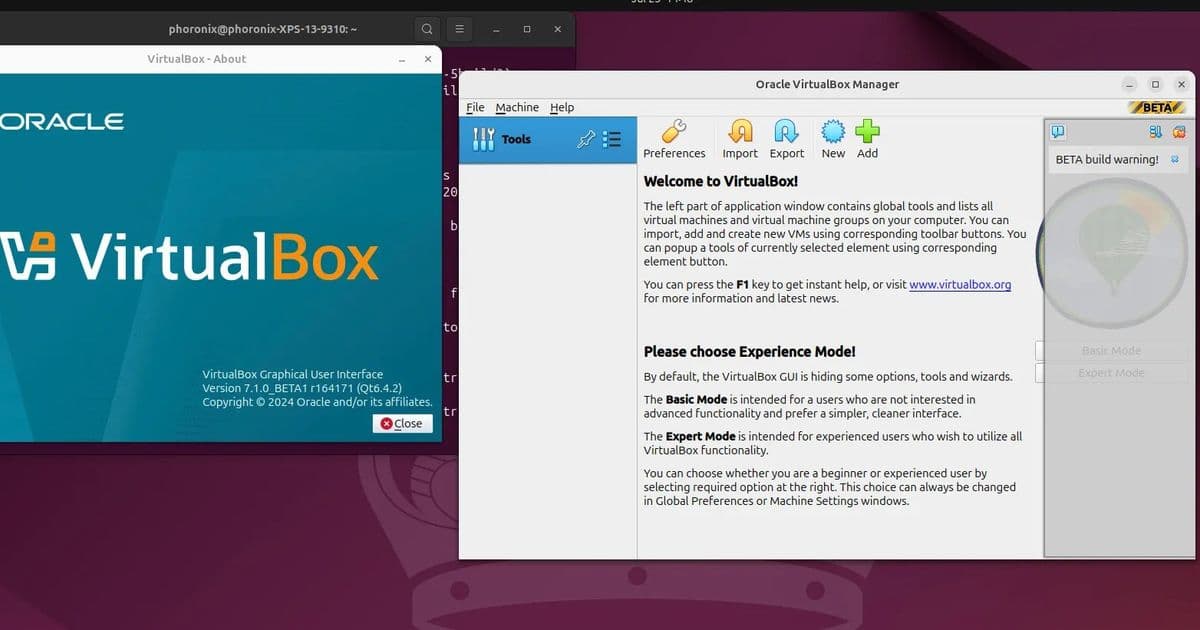
Oracle's VirtualBox is adding experimental KVM backend support, marking a significant shift in virtualization strategy. While VirtualBox's native hypervisor offers unique advantages for legacy systems, KVM integration promises better compatibility and performance for modern Linux workloads.
After years of requests from the Linux community, Oracle's VirtualBox is finally embracing Linux's native KVM backend. The latest development code, available in VirtualBox Git and test builds, now supports KVM as an alternative to VirtualBox's own hypervisor implementation.
This change represents a significant shift in VirtualBox's approach to Linux virtualization. Historically, VirtualBox has maintained its own hypervisor stack, which offered unique advantages but sometimes struggled with compatibility and performance on Linux systems. The new KVM backend aims to address these limitations while preserving VirtualBox's rich feature set.
Why KVM Support Matters
The integration of KVM support addresses several long-standing pain points for Linux users:
Hardware Compatibility: KVM benefits from direct integration with the Linux kernel, offering better support for modern hardware features and virtualization extensions.
Performance: By leveraging KVM's optimized virtualization infrastructure, VirtualBox can potentially achieve lower overhead and better performance for Linux guests.
Stability: KVM's kernel-level integration provides more robust handling of system resources and interrupts, reducing the likelihood of crashes or instability.
Ecosystem Integration: KVM support means better compatibility with other Linux virtualization tools and management systems that expect KVM-based hypervisors.
The Trade-offs: VirtualBox's Native Advantages
Despite the benefits of KVM, Oracle engineer Alexander Eichner outlined several compelling reasons why VirtualBox's native hypervisor remains valuable, particularly for specific use cases:
Advanced Networking: VirtualBox's kernel drivers offer sophisticated networking modes that are difficult to replicate with standard KVM setups. This includes features like internal networking, host-only networking, and complex NAT configurations.
Legacy Guest Support: For older operating systems and applications, VirtualBox's hypervisor provides superior emulation accuracy. Eichner specifically mentioned correct A20 gate emulation for DOS and other legacy systems that rely on memory wrapping at the 1MB boundary - a feature KVM doesn't implement.
Performance Optimizations: VirtualBox includes several hypervisor-level optimizations that benefit certain workloads:
- Device emulation handling in ring 0 for improved performance
- VM exit optimization for frequently executed instruction pairs
- Advanced instruction emulation capabilities for MMIO operations
Exotic Guest Support: The native hypervisor excels at running unusual or non-standard guest operating systems that might not work well with standard KVM implementations.
Current Status and Availability
The KVM backend is currently in experimental stages and requires users to opt-in. It's available in:
- The latest VirtualBox Git repository
- VirtualBox.org test builds for Linux
- Users comfortable with development versions and potential instability
The integration is described as being in "a somewhat workable shape," indicating that while functional, it may still have rough edges and limitations compared to the mature native hypervisor.
Context in the Virtualization Landscape
This move by VirtualBox follows a similar trend in the industry. VMware has been working to bring VMware Workstation atop KVM on Linux, recognizing the benefits of leveraging native hypervisor capabilities rather than maintaining separate virtualization stacks.
The trend reflects a broader industry shift toward consolidation and standardization in virtualization technologies, while still preserving the unique features and capabilities that made products like VirtualBox and VMware Workstation popular in the first place.
What This Means for Users
For most modern Linux users running contemporary operating systems, the KVM backend will likely provide better performance and compatibility. The native hypervisor's advantages become more relevant for:
- Users running legacy operating systems (DOS, older Windows versions)
- Those requiring advanced networking configurations
- Workloads involving exotic or non-standard guest systems
- Users who prioritize VirtualBox's specific feature set over raw performance
Looking Ahead
The next major release of VirtualBox with official KVM support isn't expected for some time, as the feature remains experimental. However, this development signals Oracle's commitment to improving the Linux virtualization experience while maintaining the rich feature set that has made VirtualBox a popular choice for developers and enthusiasts.
As the KVM backend matures, users can expect to see improved performance and compatibility for modern workloads, while still having access to VirtualBox's unique capabilities for specialized use cases. This dual approach ensures that VirtualBox remains relevant in an evolving virtualization landscape while addressing the needs of both legacy and modern virtualization scenarios.
The integration of KVM support represents a pragmatic evolution for VirtualBox, acknowledging the strengths of Linux's native virtualization infrastructure while preserving the unique features that have made it a staple in the virtualization community for years.
Comments
Please log in or register to join the discussion