
Waymo begins fully driverless operations with a redesigned autonomous system focused on cost efficiency and weather resilience, positioning for expansion beyond current markets.

Waymo has commenced fully driverless operations using its newly unveiled sixth-generation autonomous driving system, marking a pivotal shift toward scalable deployment across diverse environments. This streamlined hardware configuration represents Alphabet's self-driving subsidiary's most significant technological evolution since launching commercial services, prioritizing cost reduction while maintaining rigorous safety protocols. According to Vice President of Engineering Satish Jeyachandran, the system serves as the "primary engine" for Waymo's next growth phase across multiple vehicle platforms.
The sixth-generation Driver addresses two critical industry challenges: operational affordability and environmental adaptability. By refining sensor integration and computing architecture, Waymo achieved substantial cost reductions compared to previous iterations – though exact figures remain undisclosed. This efficiency gain enables broader fleet deployment economics while preserving the redundant safety systems that underpin the company's 50+ million autonomous miles traveled. Crucially, the hardware suite now withstands extreme winter conditions including heavy snow and ice accumulation, overcoming a persistent limitation that constrained previous-generation autonomous vehicles to temperate climates.
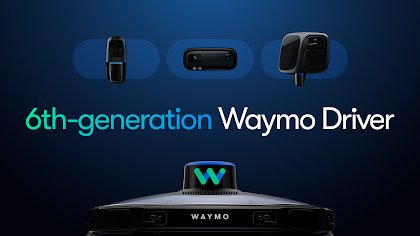
Sensor enhancements form the core of this advancement. The redesigned package integrates lidar, cameras, and radar in a consolidated physical footprint with improved weather resistance. Lidar units employ multi-wavelength technology to penetrate precipitation, while camera systems feature advanced defrosting capabilities. These upgrades allow consistent perception in conditions where snow obscures lane markings or ice distorts sensor surfaces. Computational improvements meanwhile enable faster processing of complex scenarios like obscured right-of-way rules during snowstorms.
Market positioning centers on unlocking expansion into underserved northern regions where competitors remain geographically constrained. With established operations in Phoenix, San Francisco, and Los Angeles, Waymo strategically targets metropolitan areas with harsh winters like Chicago and Toronto. This weather capability – combined with reduced hardware costs – positions Waymo favorably against rivals still grappling with scaling economics. The company's approach contrasts with Tesla's vision-only strategy and Cruise's paused expansion, emphasizing sensor diversity for all-condition reliability.
Notably absent are announcements of new funding rounds or manufacturing partners. This suggests Alphabet continues bankrolling operations while Waymo prioritizes technological readiness over rapid scaling. The measured rollout strategy reflects heightened industry caution following recent AV safety incidents, with Jeyachandran emphasizing "uncompromising safety standards" despite cost optimization efforts.
As Waymo begins deploying sixth-generation vehicles in existing markets, the system's real-world performance in snow and ice will be closely monitored. Success could accelerate regulatory approvals in colder climates and validate Waymo's hardware-focused differentiation in an industry increasingly pressured to demonstrate both safety and sustainable unit economics.
Comments
Please log in or register to join the discussion