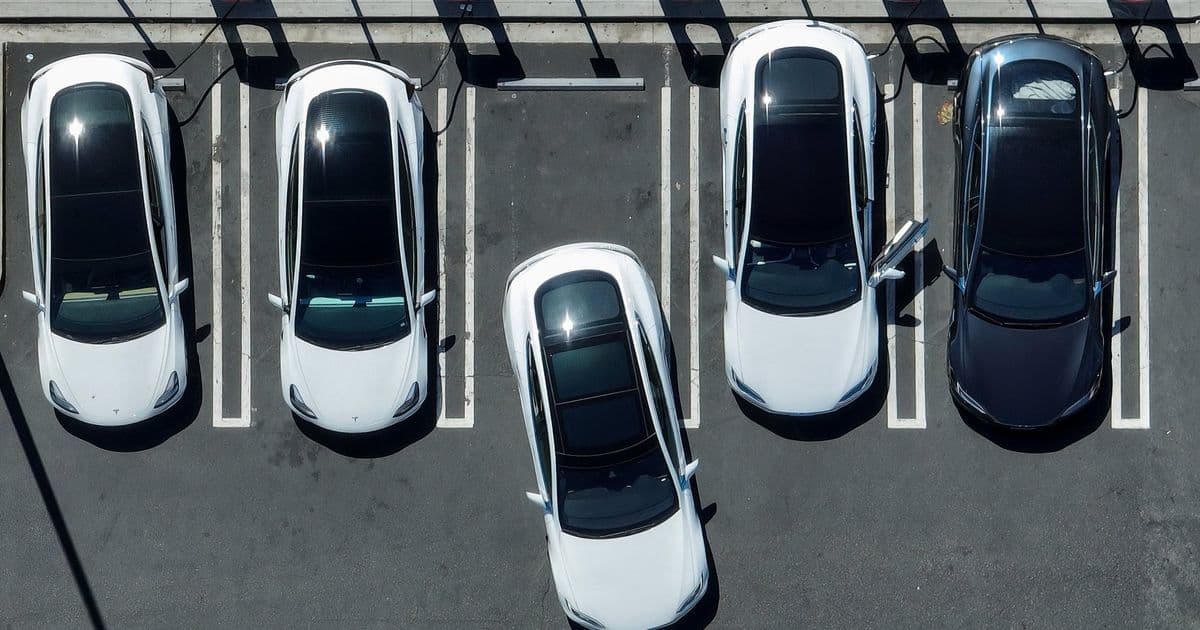
Tesla has agreed to stop marketing its driver assistance systems as 'Autopilot' in California following regulatory pressure, signaling a shift in how automakers describe automated driving features.
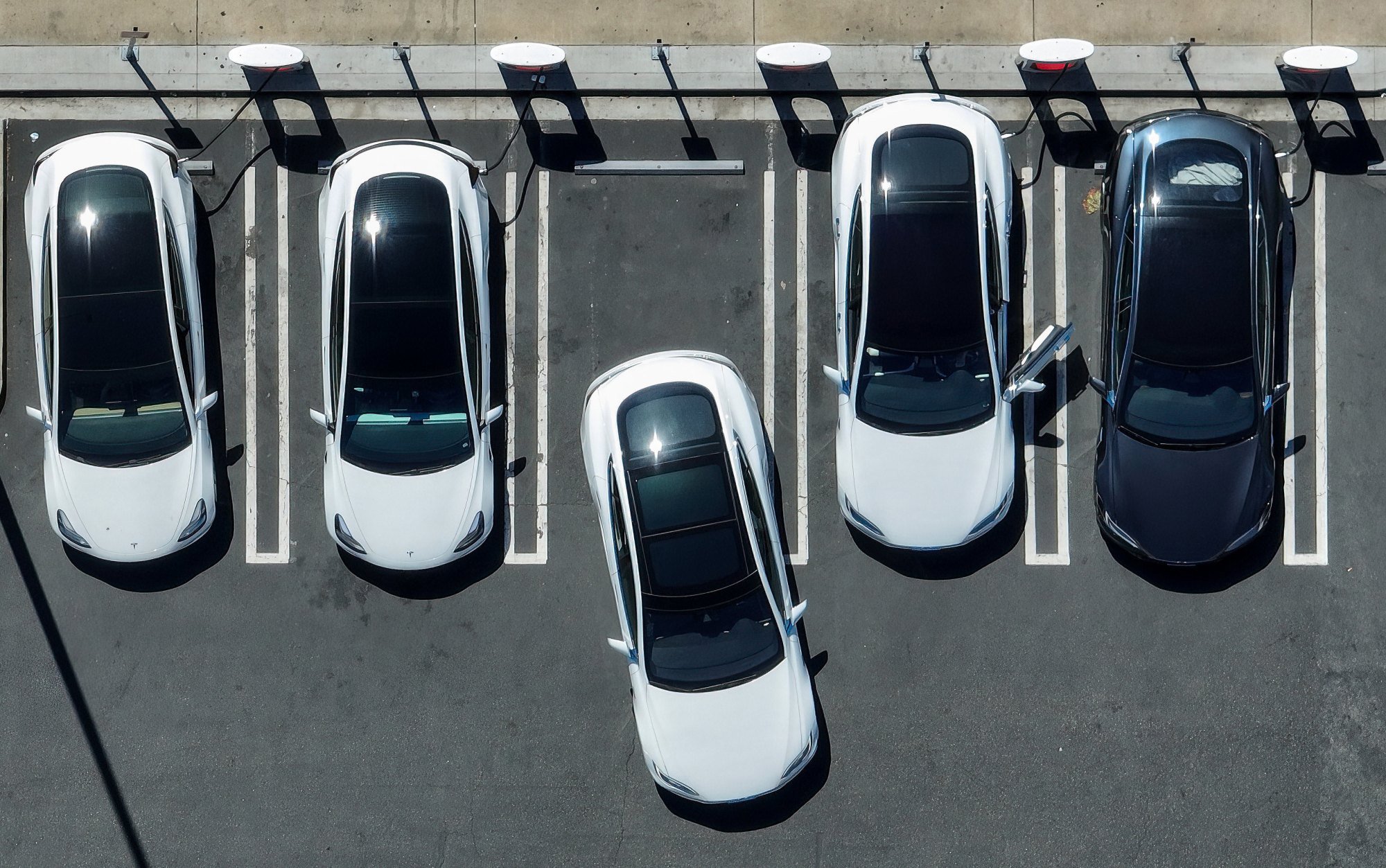
Tesla has formally agreed to stop using the term "Autopilot" when marketing its driver assistance systems in California, avoiding a potential 30-day suspension of its license to sell vehicles in the state. This concession to the California Department of Motor Vehicles highlights growing regulatory scrutiny of automotive marketing language as driver assistance technologies proliferate.
The agreement follows repeated warnings from California regulators that Tesla's branding could mislead consumers about their vehicles' autonomous capabilities. Tesla's systems, while advanced, require constant driver supervision—a distinction regulators argue isn't sufficiently communicated by the aviation-derived term "Autopilot." This isn't isolated to California; Germany's transport ministry previously ordered Tesla to stop using "Autopilot" terminology in 2020, calling it "misleading."
Community sentiment remains divided. Safety advocates welcome the move: "Marketing creates expectations, and 'Autopilot' suggests capabilities far beyond current Level 2 systems," notes autonomous vehicle researcher Dr. Mary Cummings. Tesla owners counter that the term accurately describes the system's lane-centering and adaptive cruise control functions when used as instructed.
Counter-perspectives emerge in the broader autonomy landscape. Companies like Waymo and Cruise market explicitly driverless services, while automakers like Mercedes and Ford use terms like "Driver Assistance" and "BlueCruise." Tesla's concession suggests regulators are enforcing clearer differentiation between driver-monitored systems and true autonomous vehicles.
The practical impact remains limited—existing vehicles retain Autopilot branding, and Tesla hasn't announced changes outside California. But the precedent matters: As the National Highway Traffic Safety Administration investigates Tesla's Autopilot in 22 crashes, marketing language becomes part of the regulatory battleground. Automakers now face pressure to align branding with technical capabilities as the gap between driver assistance and autonomy widens.
Regulatory documents reveal Tesla negotiated the agreement under threat of license suspension, indicating California's willingness to escalate enforcement. This comes as the DMV updates autonomous vehicle regulations, potentially creating stricter marketing requirements statewide. For an industry racing toward automation, Tesla's retreat underscores that what you call your technology matters as much as what it does.
Read the DMV's official statements | Tesla's vehicle features documentation
Comments
Please log in or register to join the discussion