Nvidia announces collaborations with Peak XV and other VC firms to fund Indian AI startups, while over 4,000 local startups join its global program – a strategic play in a market facing infrastructure and talent challenges.
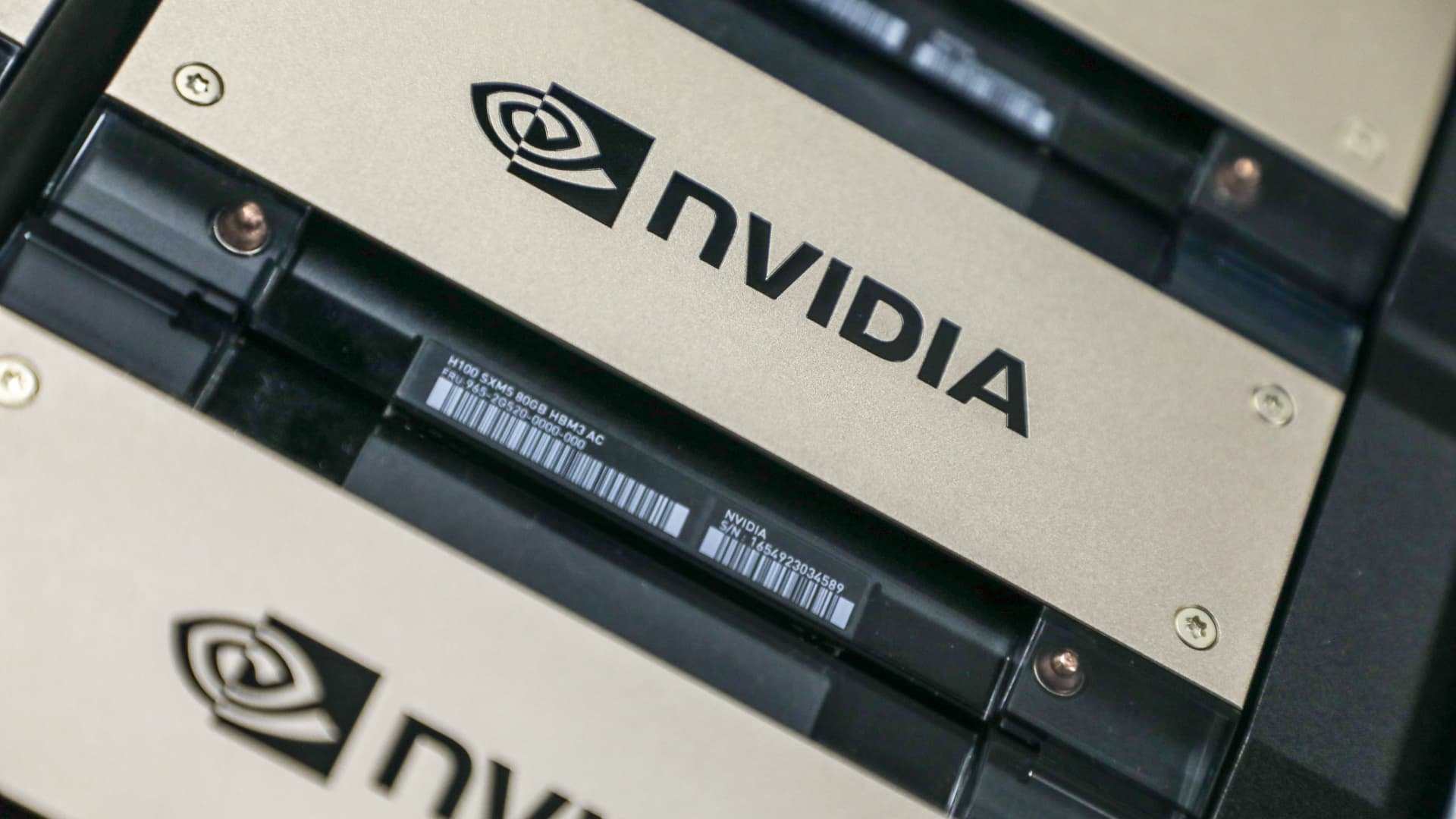
Nvidia has significantly expanded its India presence through new venture capital partnerships and accelerated startup program adoption, according to company statements. The GPU manufacturer is now collaborating with Peak XV Partners (formerly Sequoia India) and undisclosed VC firms to fund Indian AI startups, while over 4,000 local startups have enrolled in Nvidia's global startup program. This development coincides with Yotta Data Services' $2 billion investment to deploy Nvidia's Blackwell B300 GPUs in its Noida data center.
What's claimed represents a substantial commitment: Nvidia positions this as strengthening India's AI ecosystem through capital access and technical resources. The 4,000+ startups enrolled in its program gain access to credits for cloud computing, technical workshops, and co-marketing opportunities. VC partnerships like Peak XV's theoretically streamline funding pathways for early-stage companies building on Nvidia's stack.
What's actually new is the acceleration of India-specific resource allocation. While Nvidia's startup program existed previously, the 4,000 figure signifies rapid adoption since its India expansion announcement last year. The structured VC collaboration model is also novel – unlike pure accelerator programs, this embeds Nvidia within deal flow pipelines. Concurrently, Yotta's $2 billion Blackwell deployment creates near-term infrastructure support, targeting one of Asia's largest AI superclusters by August 2026. This hardware investment directly addresses India's computing deficit, where GPU access remains constrained despite engineering talent abundance.
However, limitations persist. The VC partnerships' financial scope remains unspecified – no dedicated fund size or investment criteria were disclosed. While 4,000 startups demonstrate interest, the program's technical requirements (building applications requiring substantial GPU resources) suggest many may struggle to advance beyond prototype stages. India's AI ecosystem still faces core challenges:
- Infrastructure gaps: Despite Yotta's investment, overall data center capacity lags behind demand
- Talent pipeline issues: While engineering graduates are plentiful, specialized AI/ML researchers remain scarce
- Market fragmentation: Startups often target similar enterprise automation use cases, creating saturation
- Regulatory uncertainty: India's evolving AI governance framework could impact deployment timelines
Nvidia's move aligns with broader industry trends. Microsoft recently committed to massive Nvidia GPU purchases, while Anthropic projects $80 billion in cloud spending through 2029. For India, the partnerships could elevate promising startups like those in healthcare AI and agricultural tech. But success requires sustained commitment beyond initial hardware access – including mentorship quality and follow-on funding. As global AI competition intensifies, India's ability to convert this momentum into commercially viable products remains the unproven variable.
Comments
Please log in or register to join the discussion