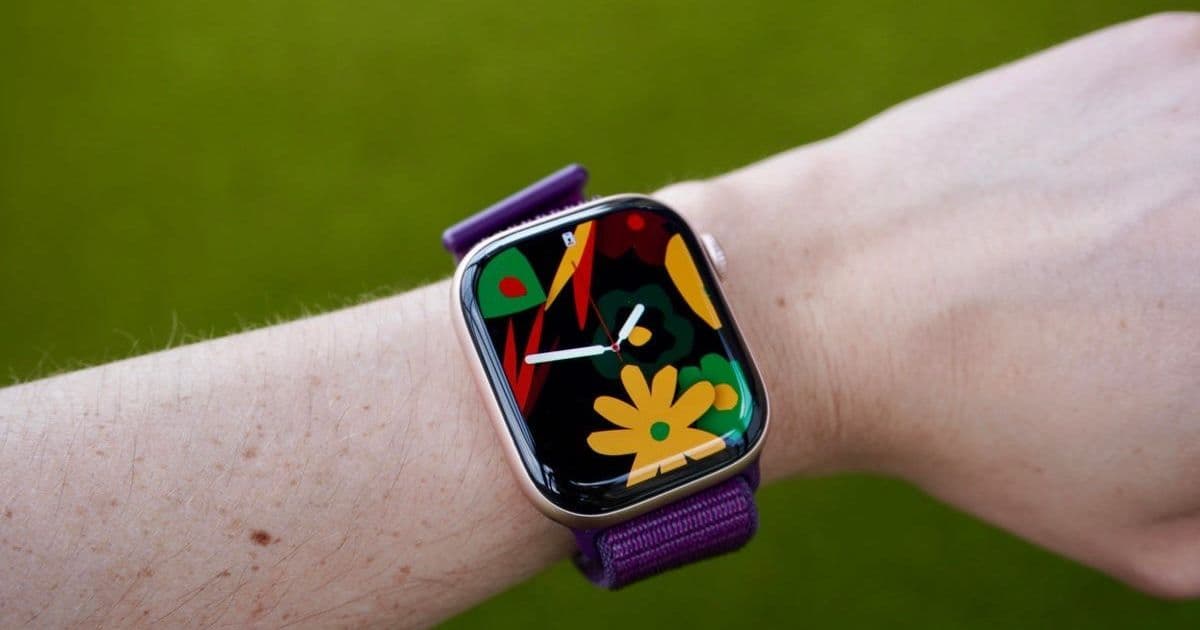
Despite the launch of the Apple Watch Series 11, the Series 10 offers nearly identical hardware and software capabilities at a lower price. Enhanced by WatchOS 26, it gains critical health features like Hypertension Detection, making it a superior value proposition for developers and health-focused users. Current discounts amplify its appeal as a cost-effective entry into Apple's ecosystem.
The Unbeatable Value of Apple Watch Series 10 in 2025
Apple's annual September event unveiled the Series 11, SE 3, and Ultra 3, promising cutting-edge features like extended battery life and satellite connectivity. Yet, for developers and tech-savvy consumers, the real story lies in last year's Apple Watch Series 10—a device that challenges the notion that newer always means better. Thanks to a recent price drop to $329 (down from $399) and a critical software update, it emerges as a strategic buy in the wearables market.
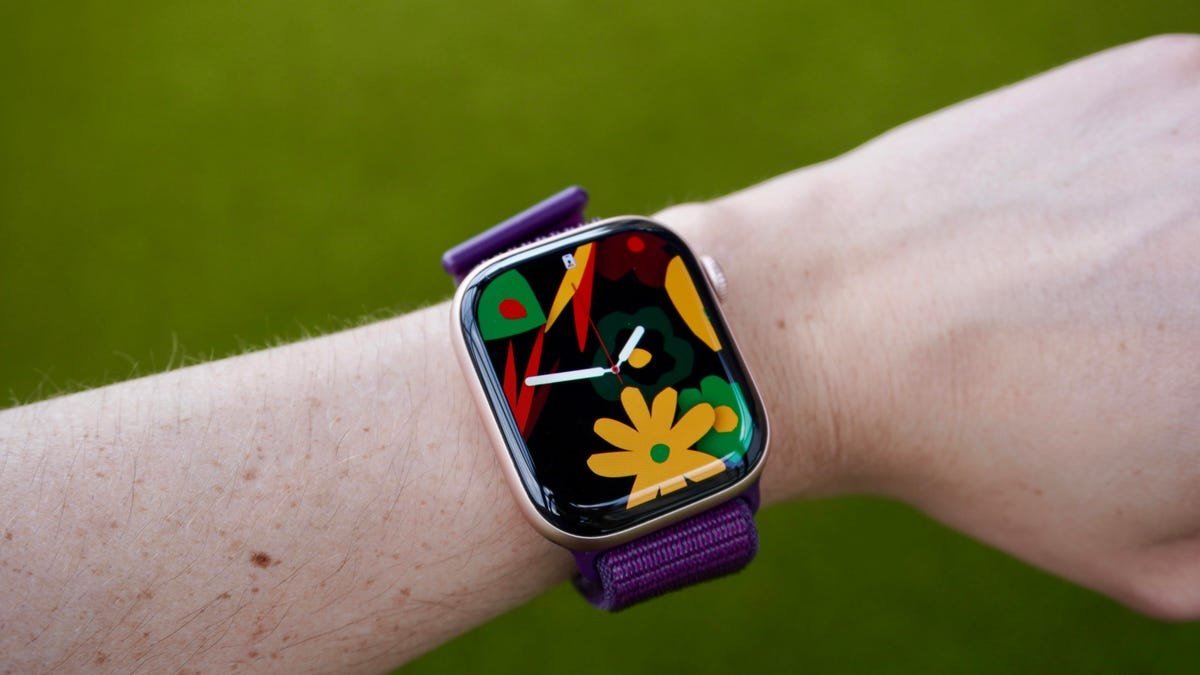 The Apple Watch Series 10, now discounted, retains nearly all the power of its successor.
Hardware Parity and the Battery Life Divide
At its core, the Series 10 shares the identical S10 chip and form factor with the Series 11. As ZDNET's wearables editor Nina Raemont notes:
"Apple confirmed the Series 11 uses the same build as the Series 10—it's just as thin and light, with identical casing. The only hardware divergence is battery life: Series 11 lasts 24 hours versus Series 10's 18 hours due to internal reconfiguration."
This minor gap matters less for users who charge devices nightly or prioritize affordability. For developers prototyping health apps or fitness tools, the shared S10 silicon ensures identical performance in sensor data processing and third-party integrations.
WatchOS 26: The Great Equalizer
The recent WatchOS 26 update erases most software advantages of the new models. Both Series 10 and Series 11 now support:
- Hypertension Detection (FDA-cleared for users 18+)
- Sleep Scores for sleep stage analysis
- Emergency SOS via satellite (on cellular models)
- Gesture controls like Wrist Flick to dismiss notifications
- Workout Buddy for synchronized fitness sessions
This democratization highlights Apple's strategy: extending flagship features to older hardware boosts ecosystem loyalty and creates a larger user base for health-tech innovations.
Series 10 vs. SE 3: Why Health Features Tip the Scales
While the $249 SE 3 seems tempting, it omits critical health sensors:
| Feature | Series 10 | SE 3 |
|---|---|---|
| Hypertension Detection | ✅ | ❌ |
| Blood Oxygen Monitoring | ✅ | ❌ |
| ECG | ✅ | ❌ |
| Battery Life | 18 hours | 18 hours |
For older adults or developers building health applications, these omissions make the Series 10—now just $80 more than the SE 3—a wiser investment. As Raemont emphasizes:
"If you're buying for health tracking, the Series 10’s full sensor suite justifies its cost over the SE 3. Only opt for Series 11 if 24-hour battery is non-negotiable."
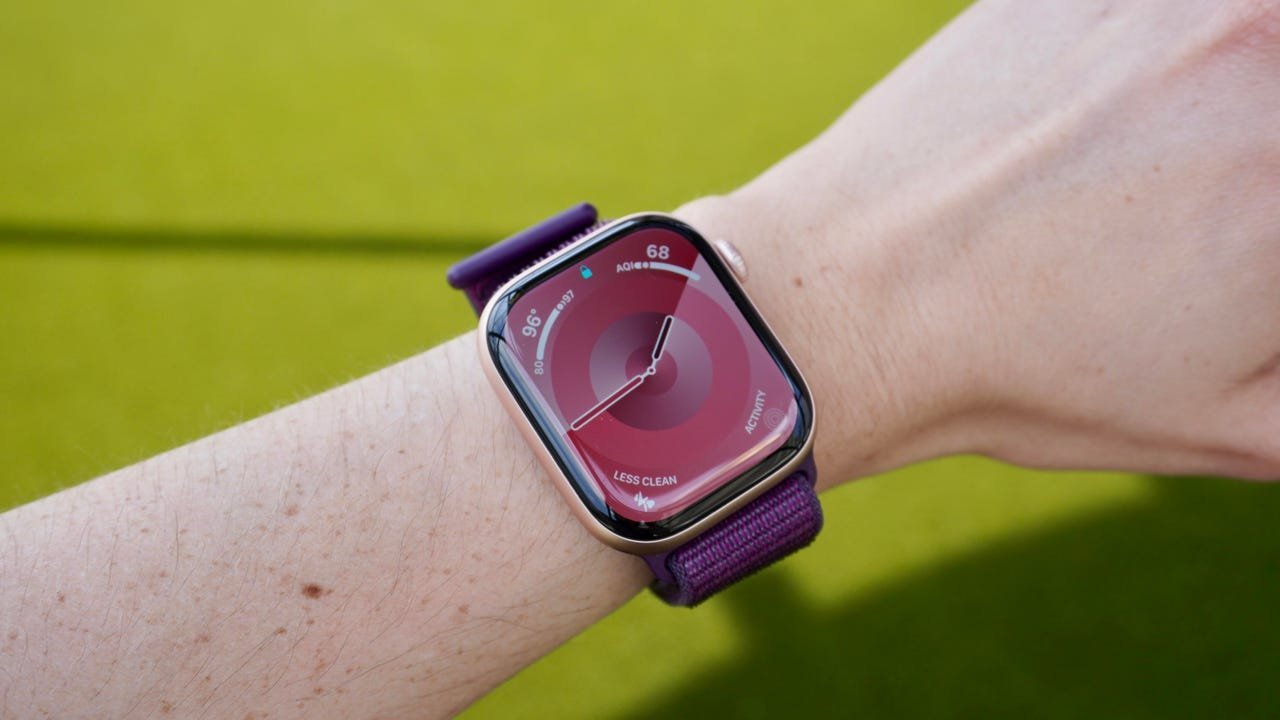 ZDNET's testing confirms the Series 10's enduring relevance post-update.
The Prime Day Opportunity and Long-Term Value
With October Prime Day (Oct. 7-8) approaching, the Series 10’s current $329 price may dip further. Its resilience exemplifies a broader trend: as software updates blur generational lines, consumers can prioritize value over novelty. For the tech industry, this pressures manufacturers to innovate beyond incremental hardware tweaks—shifting focus to AI-driven features and developer APIs that leverage existing devices. In a market saturated with upgrades, the Series 10 stands as proof that smart choices often look backward to move forward.
Source: ZDNET (Nina Raemont, October 3, 2025)
Comments
Please log in or register to join the discussion