The Wikimedia Foundation heads to London's High Court next week to challenge UK Online Safety Act regulations it argues would force Wikipedia to verify contributor identities, undermining volunteer safety and the platform's unique non-profit model. The outcome could set a global precedent for how public interest platforms are regulated.
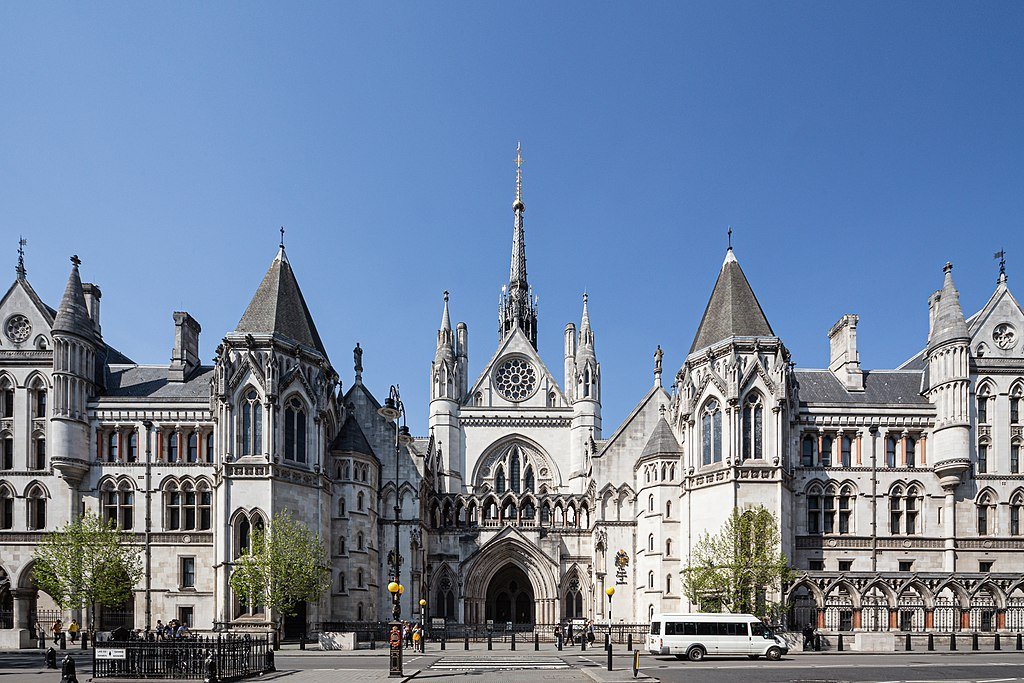
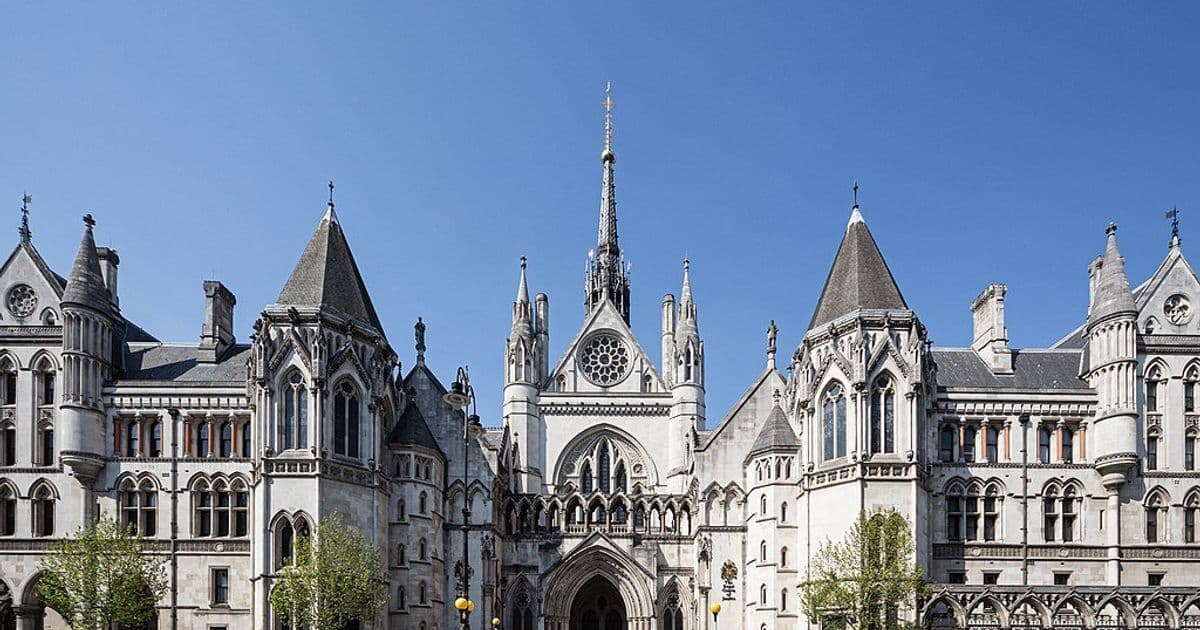
Main image: The Royal Courts of Justice in London, where the Wikimedia Foundation's challenge will be heard. Credit: Wikimedia Foundation
Next week, the High Court of Justice in London becomes a critical battleground for the future of open knowledge online. On 22-23 July 2025, the Wikimedia Foundation – the non-profit behind Wikipedia – will argue that the UK's Online Safety Act (OSA) Categorisation Regulations pose an existential threat to Wikipedia's operational model and its global community of nearly 260,000 volunteer contributors. The Foundation is joined by UK-based volunteer editor "User:Zzuuzz" as a joint claimant – the first legal challenge against these regulations and the first with a Wikipedia editor as a claimant.
"The Court has an opportunity in this case to set a global precedent for protecting public interest projects online," stated Stephen LaPorte, General Counsel at the Wikimedia Foundation. "Wikipedia is the backbone of knowledge on the internet. It’s the only top-ten website operated by a non-profit and one of the highest-quality datasets used in training Large Language Models (LLMs)."
Why Wikipedia Argues the Regulations Are Dangerous
The crux of the legal challenge focuses on the risk of Wikipedia being incorrectly classified under the OSA's Category 1 duties – the strictest tier designed for high-risk, high-reach commercial platforms. The Foundation contends these rules, crafted for profit-driven social media giants, are fundamentally incompatible with Wikipedia's human-centered, volunteer-driven content moderation model that has built an unparalleled resource of over 65 million articles viewed 15 billion times monthly.
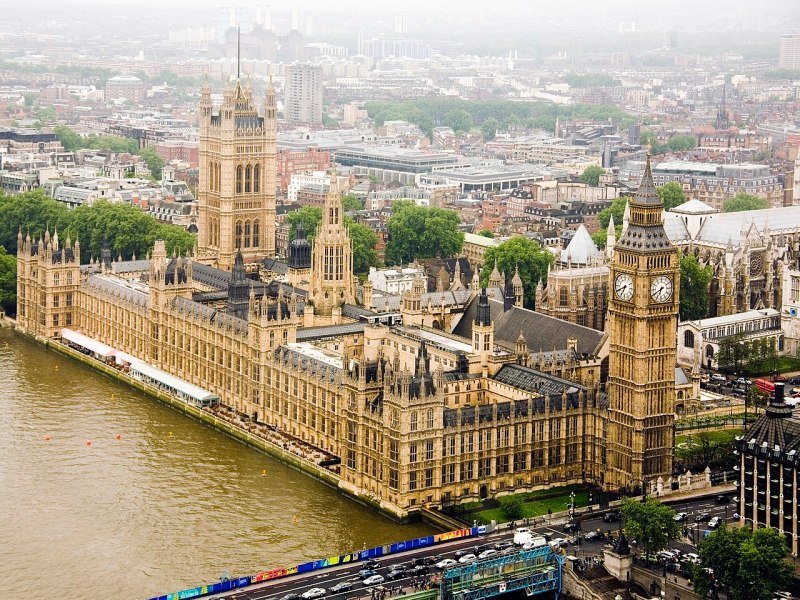
Image: The UK Parliament building, where the Online Safety Act was passed. Credit: Wikimedia Foundation
Key concerns highlighted by the Foundation include:
- Forced Identity Verification: Category 1 could mandate Wikipedia verify contributor identities, destroying the privacy essential for volunteer safety. This risks exposing editors to "data breaches, stalking, lawsuits, or even imprisonment by authoritarian regimes," according to the Foundation's filings.
- Resource Diversion: Compliance would drain vital resources from content improvement and genuine safety efforts towards bureaucratic overhead.
- Increased Vulnerability: Mandatory identity checks could make the platform more susceptible to manipulation by bad actors seeking to discredit anonymous contributions.
- Chilling Effect: The threat of exposure could deter crucial contributions, particularly on sensitive topics or from regions with repressive governments.
Stakes Extend Far Beyond Wikipedia
The case transcends Wikipedia itself. It represents a pivotal test of whether regulatory frameworks designed for commercial social media can be indiscriminately applied to non-profit, public interest knowledge platforms.
- Impact on AI: Wikipedia is a foundational dataset for training LLMs. Disrupting its volunteer model could degrade a critical resource for AI development.
- UK Knowledge Ecosystem: Wikipedia is deeply integrated into the UK's digital landscape – viewed 776 million times in the UK last month alone. It hosts content from institutions like the British Library and is part of the Welsh curriculum.
- Global Precedent: A ruling against Wikipedia could empower other governments to impose similar regulations on non-commercial knowledge projects.
"We are taking action now to protect Wikipedia’s volunteers, as well as the global accessibility and integrity of free knowledge," emphasized Phil Bradley-Schmieg, Lead Counsel at the Wikimedia Foundation. The hearing at the Royal Courts of Justice is open to the public, with a decision expected sometime after the arguments conclude.
The outcome of this landmark case will resonate across the tech industry, shaping the regulatory landscape for open collaboration, data privacy, and the sustainability of non-profit digital public goods in an era of increasing platform regulation.
Source: Wikimedia Foundation Challenges UK Online Safety Act Regulations
Comments
Please log in or register to join the discussion