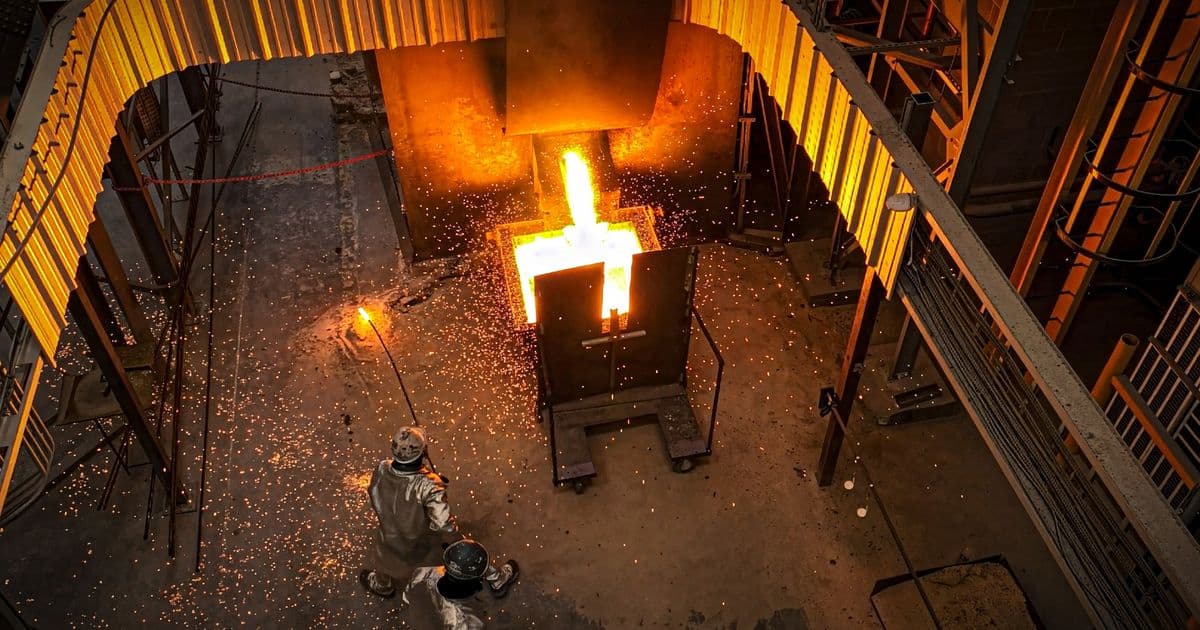
Hertha Metals, founded by MIT alum Laureen Meroueh, has developed a single-step steelmaking process using natural gas and electricity that reduces energy consumption by 30% and production costs by 25%, positioning the U.S. to reclaim steel independence while producing high-purity iron for critical magnets.
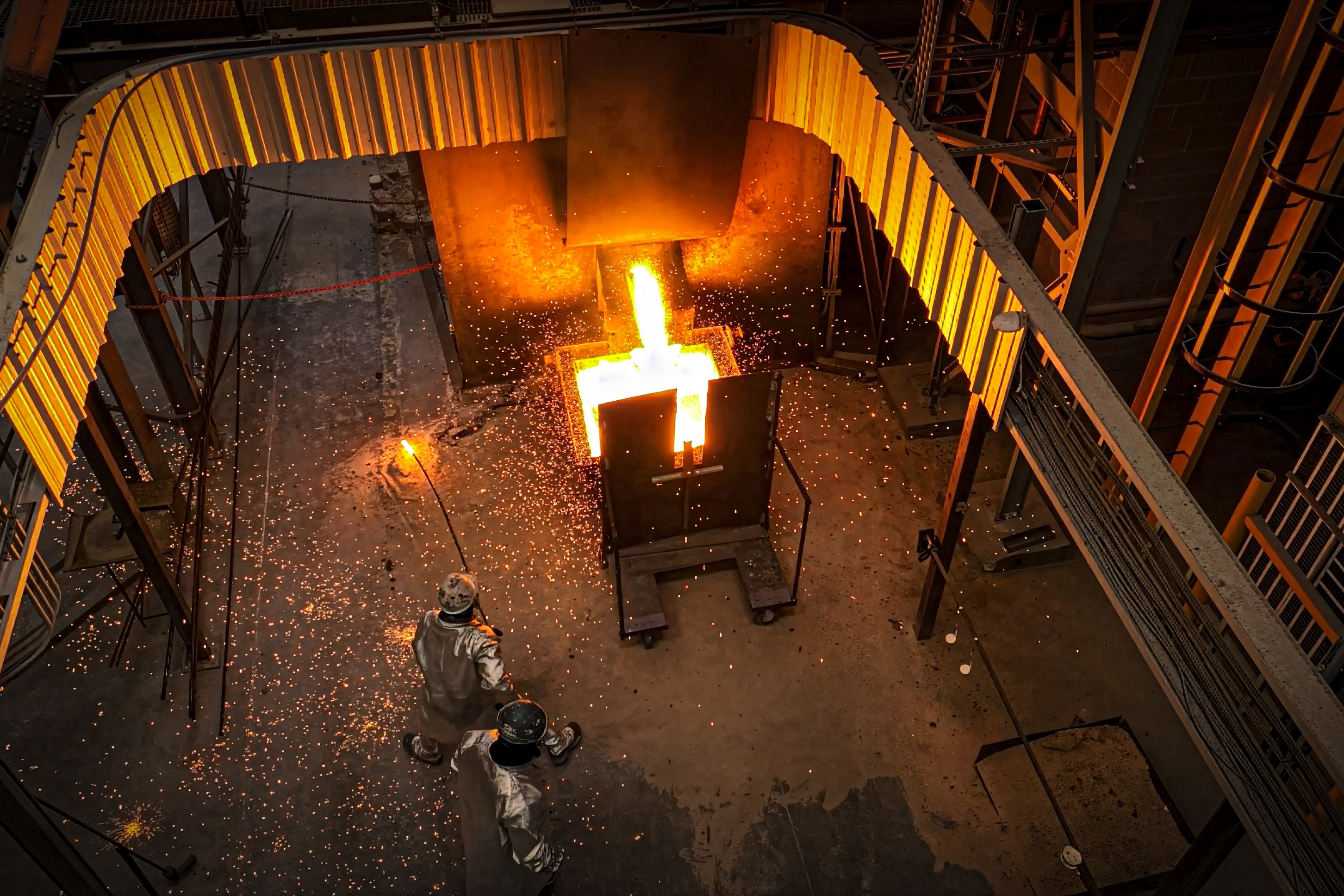
America's position as the world's largest steel importer represents a critical vulnerability in national infrastructure and defense readiness. For three centuries, steel production has relied on coal-intensive blast furnaces requiring multiple processing stages—a method fundamentally unchanged since the Industrial Revolution. Hertha Metals, founded by MIT-trained engineer Laureen Meroueh, challenges this paradigm with a continuous electric arc furnace technology that consolidates reduction, melting, and carburization into a single step.
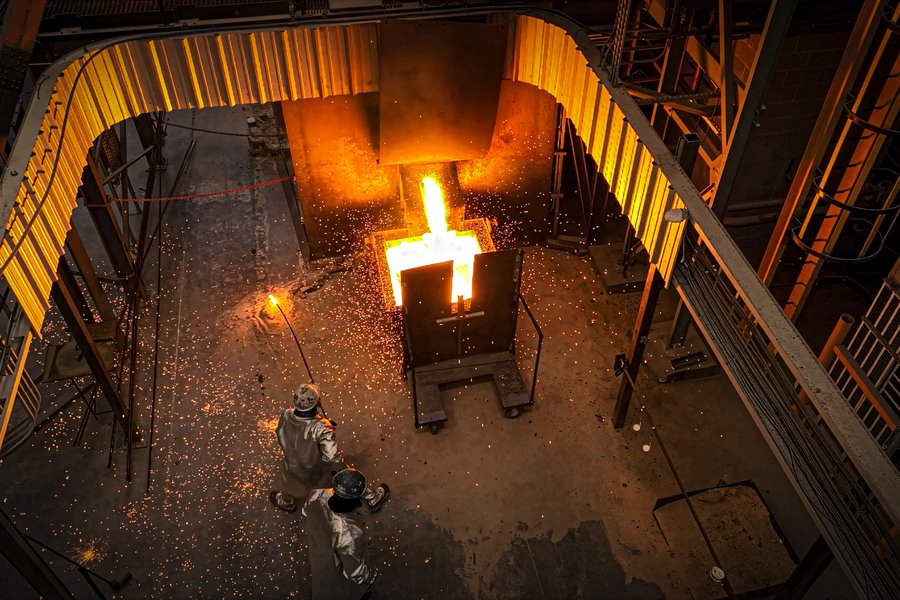
The core innovation lies in performing gaseous reduction while iron ore remains molten. Unlike traditional methods that process solid ore through sequential furnaces, Hertha's system injects natural gas directly into liquefied material. This approach accepts any iron ore grade or format—whether pellets, fines, or raw clumps—eliminating preprocessing stages like sintering and coking. "Many reactions previously run sequentially through conventional steelmaking now occur simultaneously within a single furnace," explains Meroueh. "We're melting, reducing, and carburizing steel to exact specifications in one continuous operation."
Integral to the system's efficiency is proprietary gas-recycling architecture. Hot off-gases exit the furnace at approximately 1,600°C and pass through steam turbines and heat exchangers, recovering 35% of energy input. This mini power plant reduces grid dependence—a critical advantage amid rising electricity demands from data centers and electrification initiatives. The modular design also permits integration with existing steel mill infrastructure, leveraging downstream equipment worth $1.5 billion rather than requiring complete facility replacement.
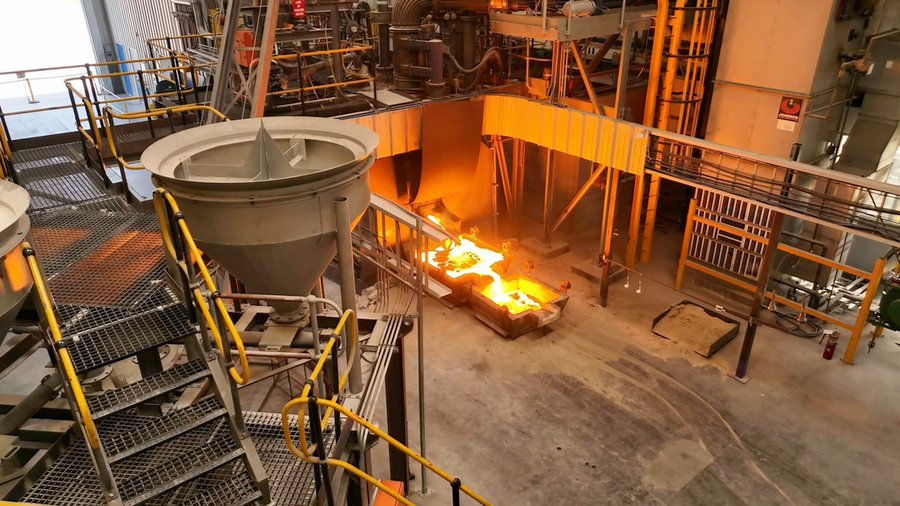
Hertha's Houston pilot facility, operational since late 2024, produces one tonne of steel daily. This demonstration plant validates scalability claims, achieving full operation within two years of founding. Construction begins this year on a 10,000-ton annual capacity plant targeting end-2027 completion. Beyond structural steel, this facility will synthesize high-purity iron (>99.97% Fe) for permanent magnets—a strategic pivot addressing another critical import gap. Remarkably, high-purity iron constitutes 70% of neodymium magnet mass yet remains entirely imported by the U.S. Hertha aims to supply 25% of domestic magnet demand by 2030.
The commercial roadmap targets a 500,000-ton steel plant by 2030, expandable to 2 million tons. Production economics reveal a 25% cost advantage over U.S. competitors, achieved while reducing emissions through natural gas substitution. The system also accepts hydrogen, enabling carbon-free operation as green hydrogen availability increases. "We enable U.S. steel competitiveness for the first time in decades," Meroueh states. "By displacing blast furnace pig iron imports, we eliminate reliance on geopolitically volatile supply chains for infrastructure-critical materials."
Hertha's technology arrives amid escalating demand for domestically sourced strategic materials. With steel forming the literal skeleton of energy transition infrastructure—from wind turbines to EV plants—this innovation represents more than incremental improvement. It rebuilds industrial sovereignty through fundamental process reinvention, proving that foundational industries can achieve radical efficiency gains without sacrificing output quality or economic viability.
Comments
Please log in or register to join the discussion