German court grants Nokia injunction against Acer and Asus over H.265 codec patents, forcing temporary suspension of PC sales while companies negotiate licensing terms.
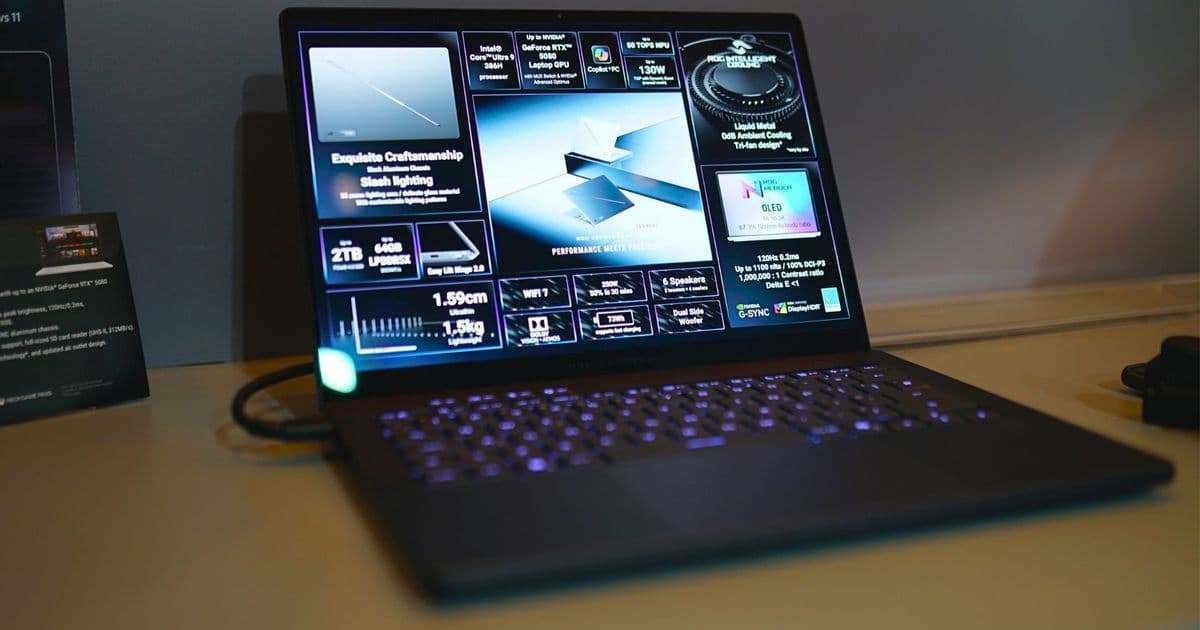
German consumers looking to purchase Acer or Asus computers may face limited options after a Munich court granted Nokia an injunction prohibiting the two manufacturers from selling desktop and laptop PCs in the country. The ruling, which affects the offering, marketing, use, import, and possession of affected devices, stems from a patent dispute over the High-Efficiency Video Coding (HEVC) standard, also known as H.265.
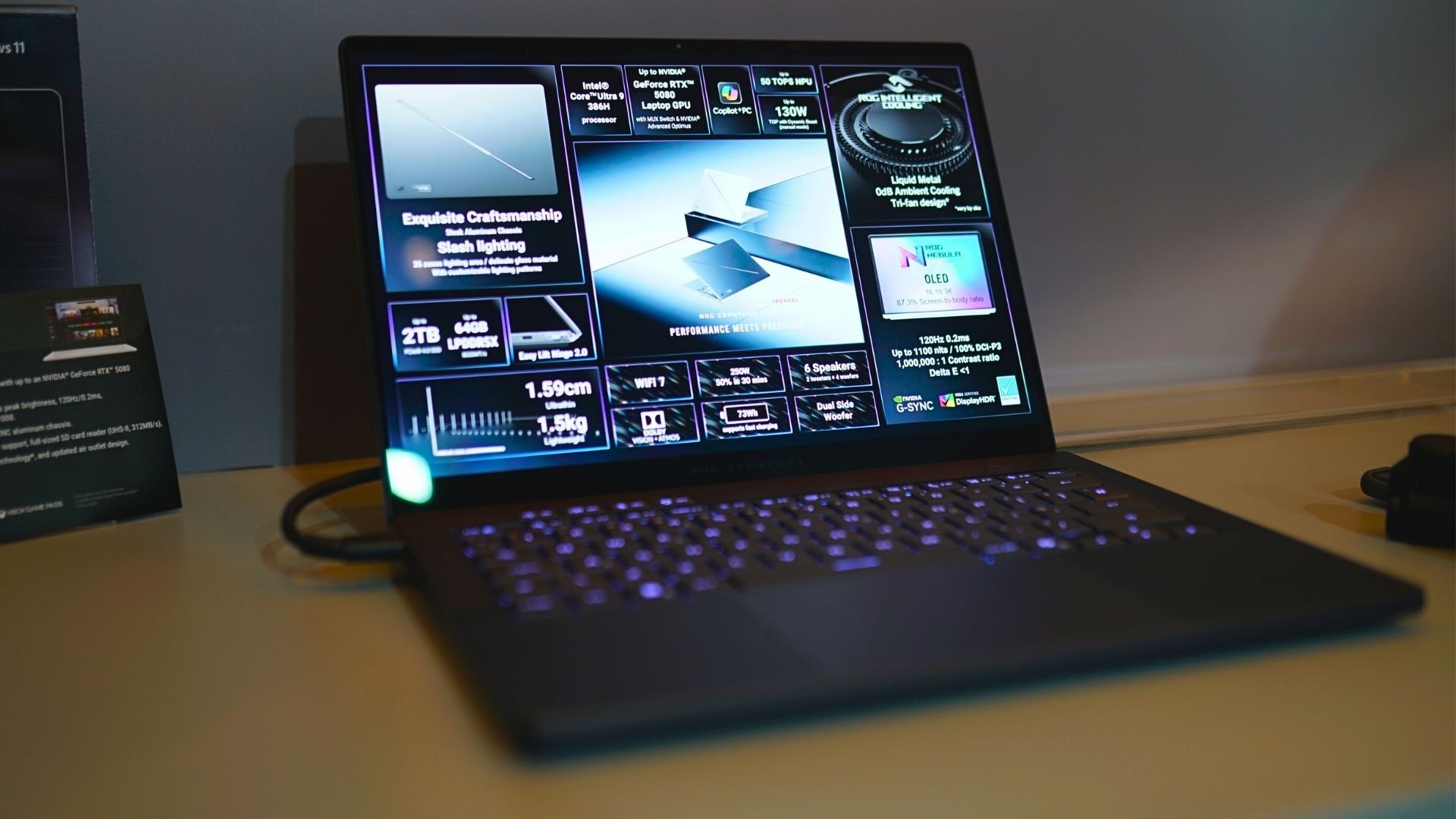
While the immediate impact on German consumers may be minimal due to existing retail inventory, the long-term implications could be significant. Retailers remain unaffected by the ruling, meaning current stock of Acer and Asus computers will continue to be available for purchase. However, without the ability to import new units to replenish warehouses, both companies face potential shortages in the medium term unless they reach a licensing agreement with Nokia or the court concludes the lawsuit favorably.
The dispute centers on three patents Nokia holds related to HEVC technology. Hisense, another manufacturer named in the lawsuit, opted to purchase a license from Nokia in January. Acer and Asus, however, continue to contest the allegations in court. The case highlights the complex nature of standard-essential patents (SEPs) and their enforcement in the technology industry.
HEVC represents a critical component in modern computing devices. The video compression standard is supported by virtually all integrated GPUs, discrete graphics cards, and system-on-chip designs. Its implementation extends beyond hardware to operating systems, streaming applications, video conferencing services, and numerous software platforms. The widespread adoption of HEVC has made it virtually indispensable for computer manufacturers, as excluding the technology would significantly degrade user experience.
Previously, original equipment manufacturers (OEMs) relied on their suppliers to handle licensing requirements for technologies like HEVC. This arrangement typically shielded manufacturers from direct patent disputes. However, the current situation suggests that both Acer and Asus have encountered specific issues with their HEVC implementation, prompting the suspension of affected products.
Nokia's position as a SEP holder comes with obligations under Fair, Reasonable, and Non-Discriminatory (FRAND) terms. These terms require SEP holders to license their technology at reasonable rates to ensure widespread adoption of industry standards. While both companies have stated their respect for intellectual property rights, the German court's interpretation of FRAND regulations appears to have favored Nokia's position.
The case underscores the ongoing challenges in the technology sector regarding patent enforcement and licensing. Standard-essential patents play a crucial role in ensuring interoperability between devices and services, but they also create potential friction points between patent holders and manufacturers. The outcome of this dispute could have ripple effects throughout the industry, potentially influencing how companies approach codec implementation and patent licensing agreements.
For German consumers, the immediate concern may be product availability rather than pricing, as the injunction does not affect existing inventory. However, should the dispute continue unresolved, consumers might face reduced choices in the PC market, potentially driving them toward alternative brands or delaying purchases until the situation clarifies.
The technology sector has witnessed similar patent disputes in the past, often resulting in licensing agreements or product modifications. The resolution timeline for this case remains uncertain, but the stakes are particularly high given HEVC's essential nature in modern computing. Both Acer and Asus will likely face pressure to resolve the matter quickly to maintain their market presence in Germany, one of Europe's largest technology markets.
Industry observers note that this case may prompt other manufacturers to review their codec licensing arrangements proactively. The potential for similar injunctions could create a domino effect, with multiple companies reassessing their patent compliance strategies. Additionally, the dispute may accelerate interest in alternative codecs like AV1, though widespread adoption of such alternatives would require significant industry coordination and infrastructure development.
As the legal proceedings continue, both Acer and Asus must balance their immediate need to maintain market presence against the long-term implications of patent licensing agreements. The outcome could establish precedents for how standard-essential patent disputes are handled in the European market, potentially influencing similar cases across the continent.
The case also highlights the evolving nature of intellectual property in the technology sector, where standards and patents intersect in complex ways. As video compression technology continues to advance and new standards emerge, manufacturers will need to navigate an increasingly intricate landscape of patent rights and licensing obligations.
For now, German consumers can still purchase Acer and Asus products from existing retail stock, but the window of availability may be limited depending on how quickly the companies can resolve their dispute with Nokia or the court reaches a final decision. The technology industry will be watching closely as this case unfolds, given its potential to reshape how standard-essential patents are enforced and licensed in the European market.
Comments
Please log in or register to join the discussion