
Acting ICE Director Todd Lyons is set to face a contempt hearing, marking a significant escalation in the ongoing tensions between immigration enforcement agencies and congressional oversight.
Acting ICE Director Todd Lyons is set to face a contempt hearing, marking a significant escalation in the ongoing tensions between immigration enforcement agencies and congressional oversight. The hearing, scheduled for next week, stems from Lyons' refusal to comply with congressional subpoenas related to internal documents about detention center conditions and deportation policies.
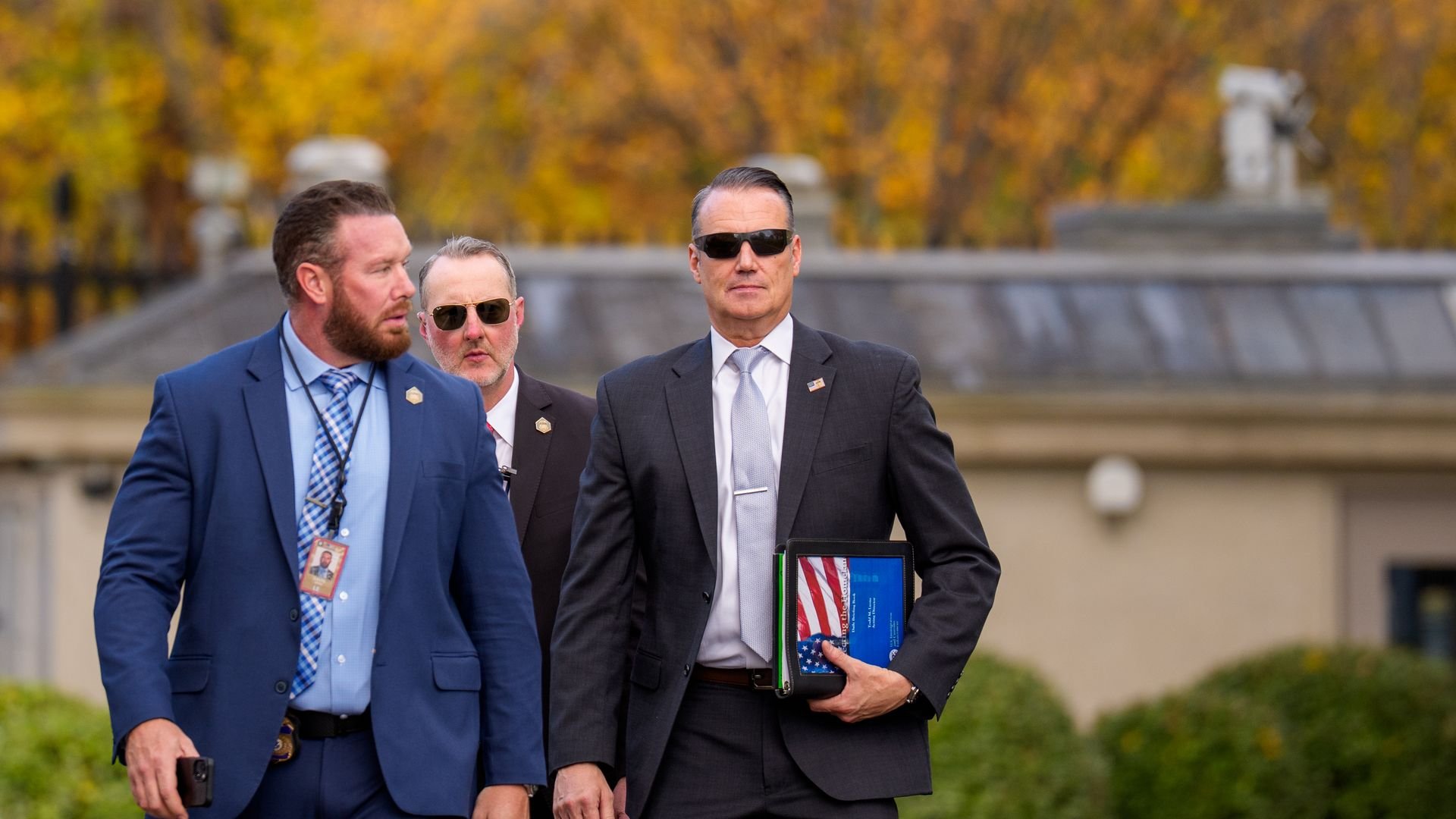
Lyons, who has served as acting director since July 2024, has been at the center of controversy regarding ICE's enforcement practices. Congressional investigators allege that the agency has systematically withheld critical information about detention facility conditions, particularly regarding medical care and detainee treatment protocols.
The contempt hearing represents a rare instance of congressional action against a senior immigration official. Legal experts note that such proceedings typically follow a pattern of escalating disputes between executive agencies and legislative oversight committees. If found in contempt, Lyons could face fines or even imprisonment, though such penalties are seldom enforced against high-ranking officials.
Sources familiar with the investigation indicate that the dispute centers on documents requested by the House Oversight Committee dating back to 2023. These documents reportedly include internal communications about facility overcrowding, medical emergencies, and allegations of misconduct by ICE personnel. The committee claims that Lyons' refusal to provide these documents impedes their ability to fulfill constitutional oversight responsibilities.
The timing of this hearing is particularly significant given the current political climate surrounding immigration policy. With the 2026 midterm elections approaching, both parties are likely to use this development to advance their respective positions on immigration enforcement and agency accountability.
ICE has maintained that releasing the requested documents would compromise ongoing investigations and potentially endanger personnel. The agency's legal team argues that certain materials fall under executive privilege and are therefore exempt from congressional subpoena.
This confrontation highlights the broader challenges facing immigration enforcement agencies in balancing operational security with transparency requirements. The outcome of the hearing could set important precedents for future interactions between ICE and congressional oversight bodies.
The hearing is expected to draw significant media attention and could influence ongoing debates about immigration reform and agency accountability. Several civil rights organizations have already announced plans to monitor the proceedings closely, citing concerns about potential impacts on detainee rights and agency oversight.
As the date approaches, both supporters and critics of ICE are mobilizing their respective constituencies. The hearing represents not just a legal proceeding but a flashpoint in the ongoing national debate about immigration enforcement and governmental transparency.
Legal analysts suggest that the hearing could take several days, with potential implications extending well beyond the immediate outcome. The case may ultimately require judicial intervention to resolve the competing claims of congressional oversight authority and executive branch prerogatives.
The controversy surrounding Lyons and ICE comes at a time when immigration enforcement remains a contentious political issue. The agency has faced increased scrutiny in recent years regarding its detention practices and enforcement policies, making this hearing particularly significant in the broader context of immigration policy debates.
As the situation develops, all eyes will be on Washington as this high-stakes confrontation between ICE and Congress unfolds, potentially reshaping the landscape of immigration enforcement oversight for years to come.
Comments
Please log in or register to join the discussion