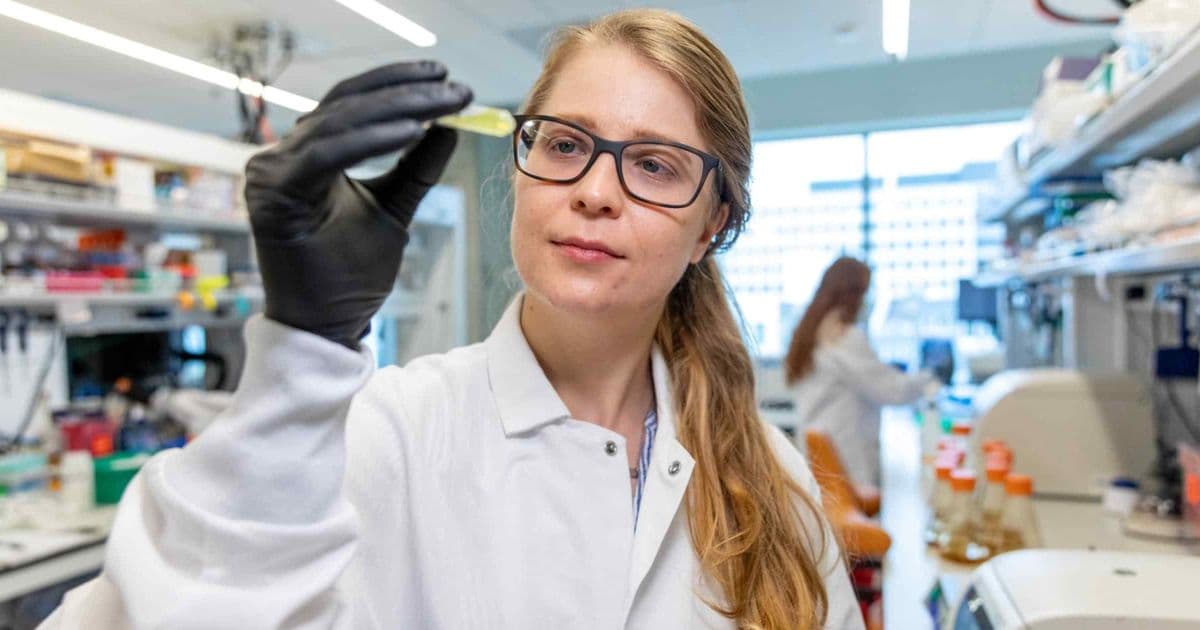
Bristol Myers Squibb partners with Nikon Cell Innovation to produce CAR-T cancer immunotherapies in Tokyo, marking the first Asian facility to handle the entire manufacturing process for these advanced treatments.
U.S. pharmaceutical giant Bristol Myers Squibb is expanding its manufacturing footprint in Asia through a partnership with Nikon Cell Innovation to produce CAR-T (chimeric antigen receptor T-cell) therapies in Tokyo, marking a significant milestone in the region's biopharmaceutical manufacturing capabilities.
Under the agreement, Bristol Myers Squibb will utilize Nikon Cell Innovation's facility in Yokohama to manufacture CAR-T treatments, which are advanced cancer immunotherapies that reprogram a patient's own immune cells to target and destroy cancer cells. The Yokohama facility will become the first in Asia capable of handling the entire CAR-T manufacturing process, from cell collection through final product formulation.
The partnership represents a strategic move by Bristol Myers Squibb to establish regional manufacturing capabilities for its cell therapy portfolio. CAR-T therapies require specialized manufacturing processes that involve collecting a patient's T-cells, genetically modifying them to express CARs that target specific cancer antigens, expanding these cells in laboratory conditions, and then reinfusing them into the patient.
Nikon Cell Innovation, a subsidiary of the Japanese imaging and optics company, has been expanding its biopharmaceutical manufacturing capabilities beyond its traditional camera and semiconductor equipment businesses. The company's expertise in precision manufacturing and quality control makes it a suitable partner for the complex requirements of cell therapy production.
The Tokyo facility's ability to handle complete CAR-T manufacturing processes locally will significantly reduce the time required to deliver treatments to Japanese patients. Currently, many CAR-T therapies require international shipping of patient cells and manufactured products, adding complexity and potential delays to treatment timelines.
This development comes as Japan continues to strengthen its position in the global biopharmaceutical manufacturing landscape. The country has been investing in advanced therapy medicinal products (ATMPs) and has established regulatory frameworks specifically designed for cell and gene therapies.
For Bristol Myers Squibb, the partnership provides strategic advantages in serving the Asian market, where demand for advanced cancer treatments continues to grow. The company's CAR-T portfolio includes therapies for various blood cancers and is expanding into solid tumor indications.
The manufacturing agreement also aligns with broader industry trends toward regionalization of biopharmaceutical production. As personalized therapies like CAR-T become more prevalent, companies are establishing multiple manufacturing sites to ensure timely access and reduce logistical complexities associated with shipping living cells across international borders.
Financial terms of the partnership were not disclosed, but the investment in specialized manufacturing infrastructure represents a significant commitment by both companies to the growing cell therapy market in Asia.
The Yokohama facility is expected to begin operations in the coming years, with production scaling based on demand for Bristol Myers Squibb's CAR-T therapies in the Japanese and broader Asian markets. The partnership may serve as a model for future collaborations between pharmaceutical companies and specialized manufacturing partners in the cell therapy space.
Comments
Please log in or register to join the discussion