
UBS analysis forecasts the global semiconductor market will surpass $1 trillion in 2026, fueled by structural AI demand shifts that extend the industry upcycle beyond typical patterns.
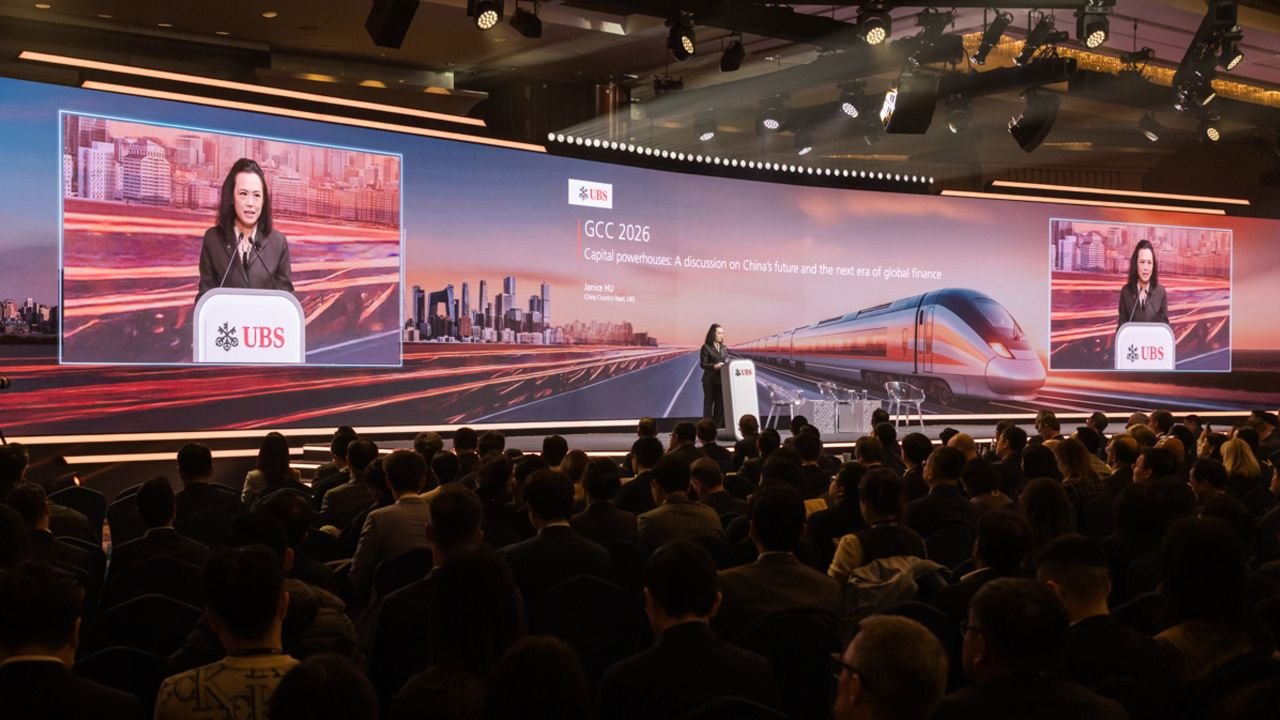
At the UBS Greater China Conference in Shanghai, semiconductor analyst Jimmy Yu outlined a compelling trajectory for the global chip industry, projecting unprecedented growth driven by artificial intelligence. According to Yu's analysis, the semiconductor market is poised to approach $700 billion in 2025 before surging past the $1 trillion threshold in 2026—representing over 40% year-on-year expansion. By 2027, the market could reach $1.18 trillion while maintaining double-digit growth.
What distinguishes this cycle from historical patterns is the fundamental shift in demand drivers. Unlike past commodity-driven booms, artificial intelligence is creating structural changes across multiple segments. Memory chips stand out as a primary beneficiary, with projected growth nearing 50% by 2027, largely propelled by rising prices and capacity constraints. 
Even excluding memory, resilient demand persists across logic chips and foundry services, sustaining double-digit growth through 2027. AI's application footprint continues widening beyond cloud infrastructure into financial services, enterprise solutions, and security systems. While some implementations remain nascent, their commercial viability is becoming increasingly tangible.
Investment in AI infrastructure emerges as perhaps the most reliable semiconductor growth catalyst for the coming years. 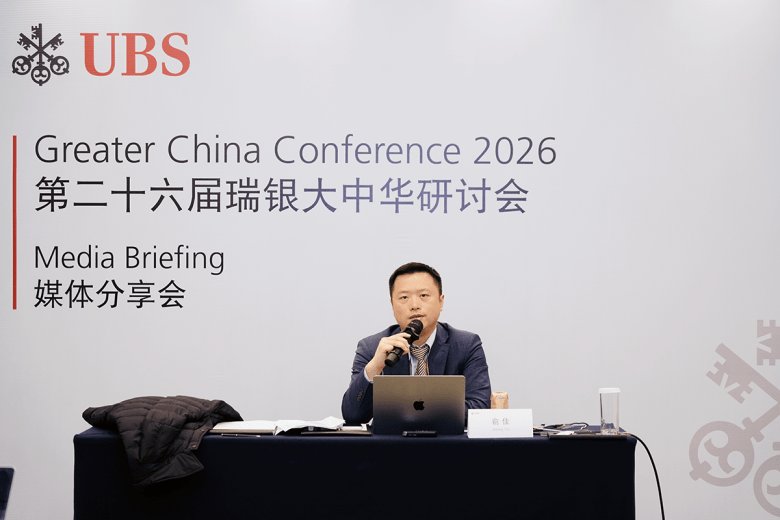 As Yu explained, "AI is reshaping demand structures across computing paradigms—from cloud to edge applications, and from autonomous systems to intelligent devices." This diversification creates sustained pressure for high-performance, low-power chips.
Despite inherent cyclicality in semiconductors, current indicators suggest an elongated expansion phase. While revenue growth may peak around Q3 2024, underlying metrics—including foundry utilization rates, capital expenditure patterns, and corporate profitability—point toward a delayed cycle peak in Q3 2025. Equity markets typically price such shifts 1-2 quarters ahead, creating strategic positioning opportunities for investors.
China's semiconductor ecosystem shows particularly dynamic momentum. Domestic demand for computing chips, advanced nodes, and packaging technologies is accelerating as AI infrastructure deployments expand. Though Chinese manufacturers still trail global leaders in advanced process technologies, equipment suppliers report revenue growth exceeding industry averages.  Several subsegments demonstrate breakthrough potential, signaling progress in localization efforts despite existing capability gaps.
The convergence of these factors—global AI proliferation, diversified application scenarios, and regional manufacturing advancements—supports Yu's projection of an extended upcycle continuing through at least 2026. This represents a significant departure from historical semiconductor cycles, where supply-driven corrections typically followed shorter growth periods. The AI era appears capable of sustaining demand momentum well beyond traditional patterns.
Jessie Wu is a tech reporter based in Shanghai. She covers consumer electronics, semiconductor, and the gaming industry for TechNode.
Comments
Please log in or register to join the discussion