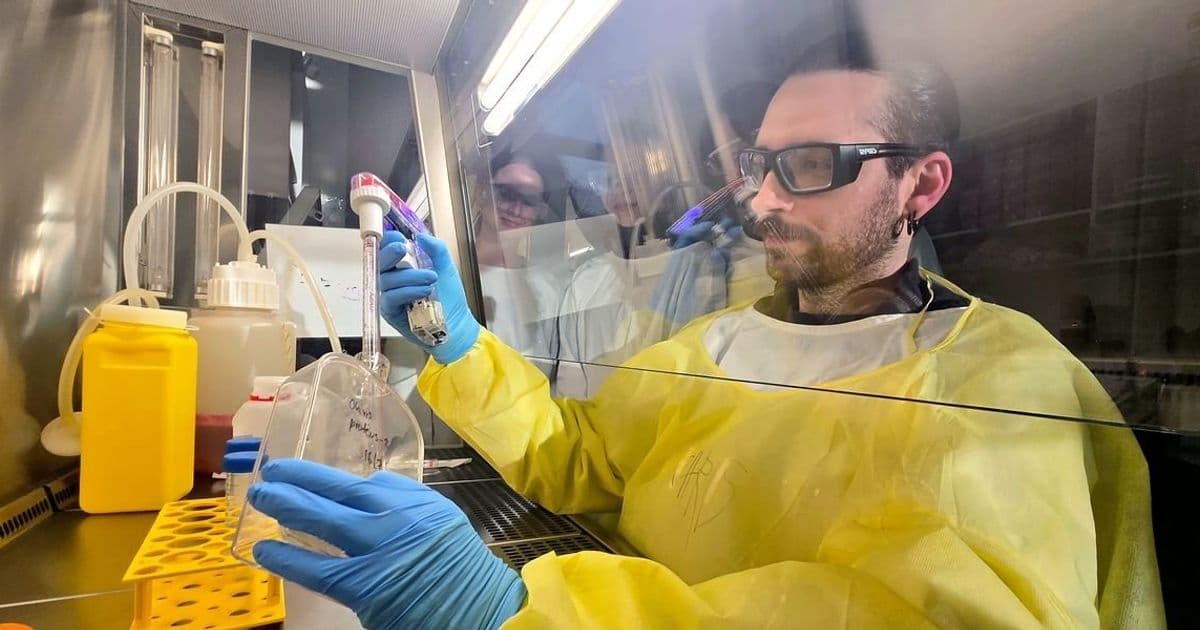
Australian researchers have unveiled PROTEUS, an AI-driven platform mimicking viral evolution to rapidly engineer mammalian cells. This breakthrough promises to slash development times for life-saving vaccines and cell therapies from years to weeks, potentially revolutionizing biopharmaceutical production.
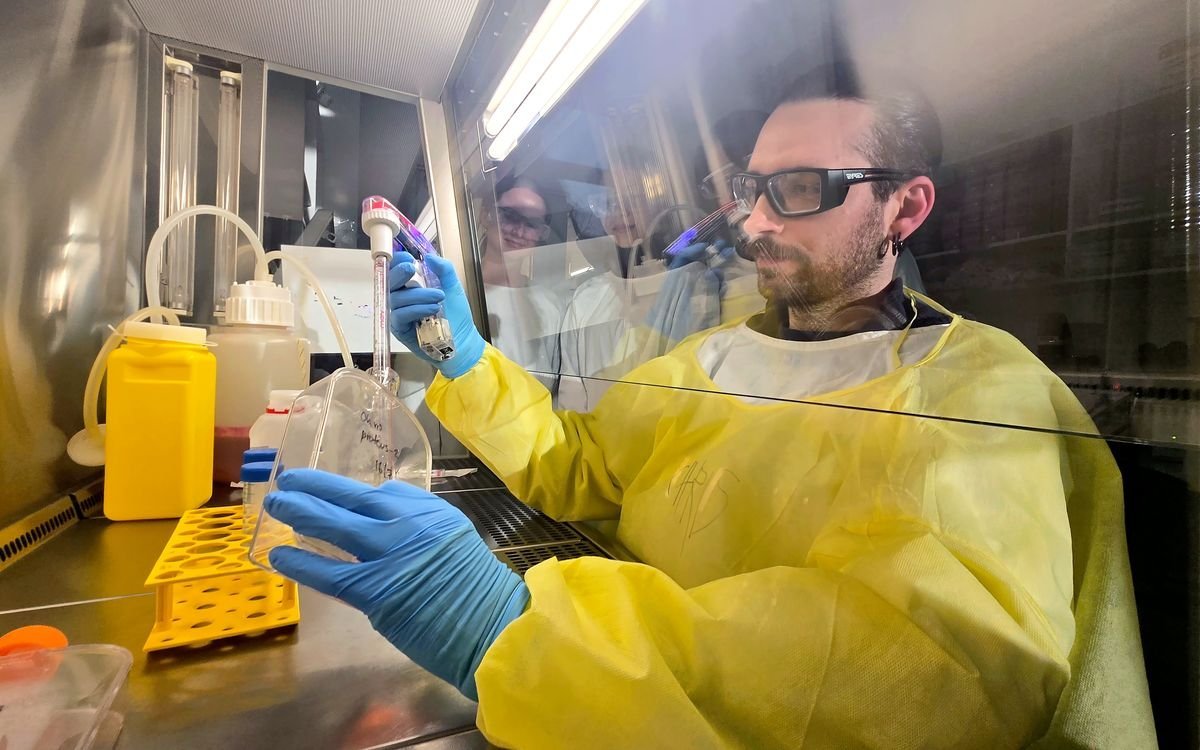
For decades, engineering mammalian cells to produce specific proteins for vaccines or therapeutics has been a painstakingly slow process, often taking years of trial and error. Researchers at the University of Sydney have now harnessed the principles of viral evolution and artificial intelligence to create a groundbreaking solution: PROTEUS (Platform for Rapid On-demand Therapeutic Evolution using Unnatural Selection). This system represents a paradigm shift in synthetic biology, promising to accelerate cell line development from years down to mere weeks.
"Viruses are masters of rapid evolution, constantly adapting to overcome host defenses," explains Christopher Denes, a key researcher on the project. "PROTEUS essentially co-opts this natural machinery, applying intense selective pressure to mammalian cells in a controlled environment, forcing them to rapidly evolve desired traits – like producing high yields of a specific therapeutic protein."
How PROTEUS Works: AI Meets Directed Evolution
The platform operates through a sophisticated, closed-loop system:
- Selection Pressure: Mammalian cells are subjected to specific environmental stresses or challenges designed to mimic viral infection pressures.
- Rapid Iteration: Cells that adapt and survive these pressures – typically those producing more of the desired protective or therapeutic protein – are automatically selected.
- AI-Driven Analysis: Machine learning algorithms analyze the genetic and phenotypic changes in the surviving cell populations.
- Predictive Modeling & Optimization: The AI models predict optimal pathways for further evolution and refines the selection pressures applied in the next cycle.
This continuous feedback loop dramatically accelerates the evolutionary process compared to traditional methods. Where conventional approaches might involve laborious manual screening of thousands of clones over months, PROTEUS automates and intelligently guides the evolution towards the target outcome.
Implications: Faster Vaccines, Advanced Therapies, and Beyond
The potential impact is profound, particularly in critical areas:
- Pandemic Response: Accelerating the development of vaccines for emerging pathogens by rapidly evolving cell lines capable of high-yield production of viral antigens or mRNA vaccine components.
- Cell & Gene Therapies: Streamlining the creation of cell lines engineered to produce complex therapeutic proteins, enzymes, or viral vectors used in advanced treatments for cancer and genetic disorders.
- Biopharmaceutical Manufacturing: Increasing the efficiency and reducing the cost of producing monoclonal antibodies and other biologic drugs by evolving highly productive and stable cell lines.
PROTEUS isn't just about speed; it's about accessing previously unreachable biological solutions. By forcing evolution down novel pathways under AI guidance, researchers anticipate discovering entirely new cellular mechanisms and protein functions. While scaling the platform for industrial bioprocessing remains a future challenge, its debut marks a significant leap towards a future where the design and production of complex biological therapeutics is as agile and responsive as software development.
Source: Based on original reporting by Shannon Cuthrell for IEEE Spectrum.
Comments
Please log in or register to join the discussion