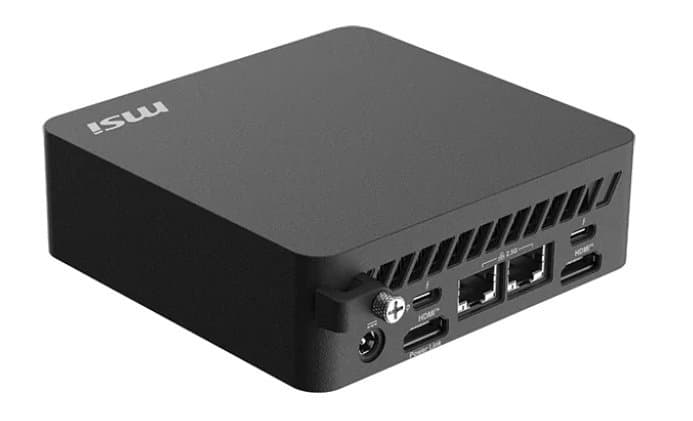
MSI's upcoming Cubi NUC AI+ 3MG mini PC supports Intel Core Ultra 5 322, 7 355, and 9 386H processors with up to 16 cores and 20 PCIe lanes, while LineageOS 23.2 and a new open source IDE/ATAPI drive emulator round out this week's tech roundup.
During CES, MSI unveiled the Cubi NUC AI+ 3MG mini PC with support for up to an Intel Core Ultra 9 Panther Lake processor. Now the company has started teasing an impending launch, promising to deliver a little computer with support for up to four displays, dual 2.5 Gigabit network ports, and AI capabilities, among other things.
One thing to know is that these little computers will not feature Panther Lake X series chips with 12-core graphics. Instead it will support Core Ultra 5 322, Core Ultra 7 355, and Core Ultra 9 386H processor options with up to 4-core graphics. But the 386H chip is still interesting as a 16-core processor with 20 PCIe lanes (12 x PCIe Gen 5 + 8 x PCIe Gen 4).
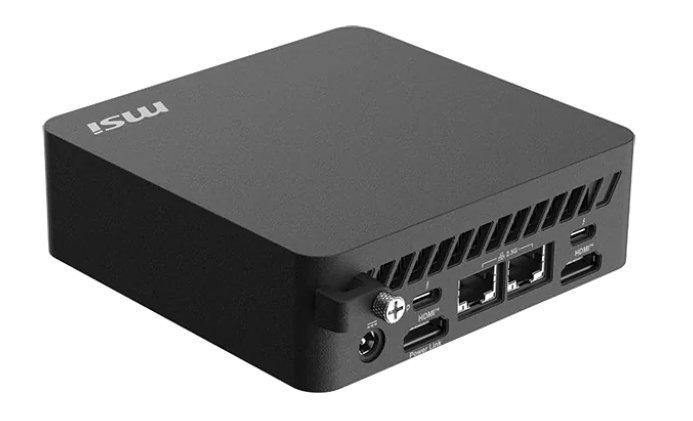
MSI's Cubi NUC AI+ 3MG represents an interesting entry in the compact PC market, particularly for users who need robust connectivity and AI processing capabilities in a small form factor. The decision to use the standard Panther Lake processors rather than the X series chips is notable - while it means sacrificing the 12-core integrated graphics found in the X variants, it still delivers impressive performance with the 16-core 386H option.
The connectivity options are particularly compelling for this class of device. Four display outputs mean this mini PC could serve as a capable workstation or media center, while dual 2.5 Gigabit Ethernet ports suggest MSI is targeting users who need reliable, high-speed networking - perhaps for small business applications or home lab setups.
The AI capabilities mentioned in MSI's teaser likely leverage Intel's integrated NPU (Neural Processing Unit) found in the Core Ultra series processors. This could enable features like enhanced video conferencing, local AI workloads, or improved power efficiency for certain tasks.
LineageOS 23.2 Release
In other news, the LineageOS team has released version 23.2 of their popular custom Android ROM. This update brings improvements and security patches to supported devices, continuing the project's mission of providing an open-source alternative to manufacturer and carrier-modified Android versions.
LineageOS has long been a favorite among Android enthusiasts who want more control over their devices and longer support than what manufacturers typically provide. The 23.2 release continues this tradition with updates that enhance both security and functionality across the supported device ecosystem.
Open Source IDE/ATAPI Drive Emulator
The tech community has also seen the release of an open source IDE/ATAPI drive emulator, which could be particularly useful for retro computing enthusiasts, data recovery specialists, and anyone working with legacy hardware that requires these older interface standards.
IDE (Integrated Drive Electronics) and ATAPI (AT Attachment Packet Interface) were the dominant storage interfaces for personal computers from the late 1980s through the early 2000s. As modern systems have moved to SATA, NVMe, and other interfaces, accessing data from these older drives has become increasingly challenging.
An open source emulator for these interfaces could enable:
- Running legacy software that requires specific hardware
- Accessing data from old drives without the original hardware
- Preserving and studying historical computing systems
- Educational purposes for understanding older computing architectures
This kind of open source hardware project demonstrates the ongoing importance of preserving computing history and maintaining access to legacy systems and data.
The Compact Computing Landscape
MSI's Cubi NUC AI+ 3MG enters a competitive market for small form factor PCs. Intel's NUC (Next Unit of Computing) platform has been influential in popularizing compact, powerful computers, and MSI's offering appears to be positioning itself as a capable alternative with strong AI features and connectivity.
The choice of Panther Lake processors is particularly interesting timing-wise. Intel's Core Ultra series represents the company's latest architecture with integrated AI acceleration, making this mini PC relatively future-proof for AI-enhanced applications and workloads.
For developers, content creators, and power users who need a compact system that doesn't compromise on performance or connectivity, the Cubi NUC AI+ 3MG could be an attractive option. The support for up to four displays and dual high-speed network connections suggests MSI is thinking about professional and enthusiast use cases rather than just basic computing tasks.
Looking Ahead
As these products and projects continue to develop, they reflect broader trends in computing: the increasing importance of AI acceleration at the hardware level, the ongoing demand for compact yet powerful computing solutions, and the vital role of open source software and hardware in preserving and extending the life of technology.
The combination of MSI's hardware announcement, LineageOS's software update, and the open source drive emulator release paints a picture of a tech ecosystem that values both cutting-edge capabilities and the preservation of computing history. Whether you're looking to deploy the latest AI-enhanced mini PC, keep your Android device running with the latest security updates, or work with legacy storage systems, there are developments worth watching in each of these areas.
Comments
Please log in or register to join the discussion