A developer leveraged Claude Code to modernize the abandoned ftape kernel driver—critical for reading vintage QIC-80 tape cartridges—enabling compatibility with Linux 6.8. The project highlights AI's role in bridging legacy tech gaps while underscoring the irreplaceable need for human expertise in complex system-level debugging.
For decades, QIC-80 tape cartridges preserved critical data from the 1990s—BBS archives, small business backups, and personal files. Yet reading them required archaic hardware and defunct software, until now. Developer Dmitry Brant recently resurrected the Linux ftape driver, abandoned since 2000, using Anthropic's Claude Code—showcasing AI's potential to rescue legacy systems.
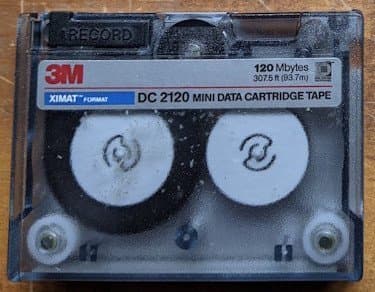
 An example of vintage tape hardware like those supported by the modernized ftape driver.
The Floppy Controller Hack & ftape's Legacy
QIC-80 drives connected via floppy controllers—a cost-saving hack that avoided SCSI cards but capped speeds at ~500 Kbps. This unconventional design demanded specialized software. While proprietary DOS tools existed, only Linux’s open-source ftape driver could dump raw tape data regardless of original formatting. Its removal from the kernel post-2000 stranded users on obsolete distros like CentOS 3.5.
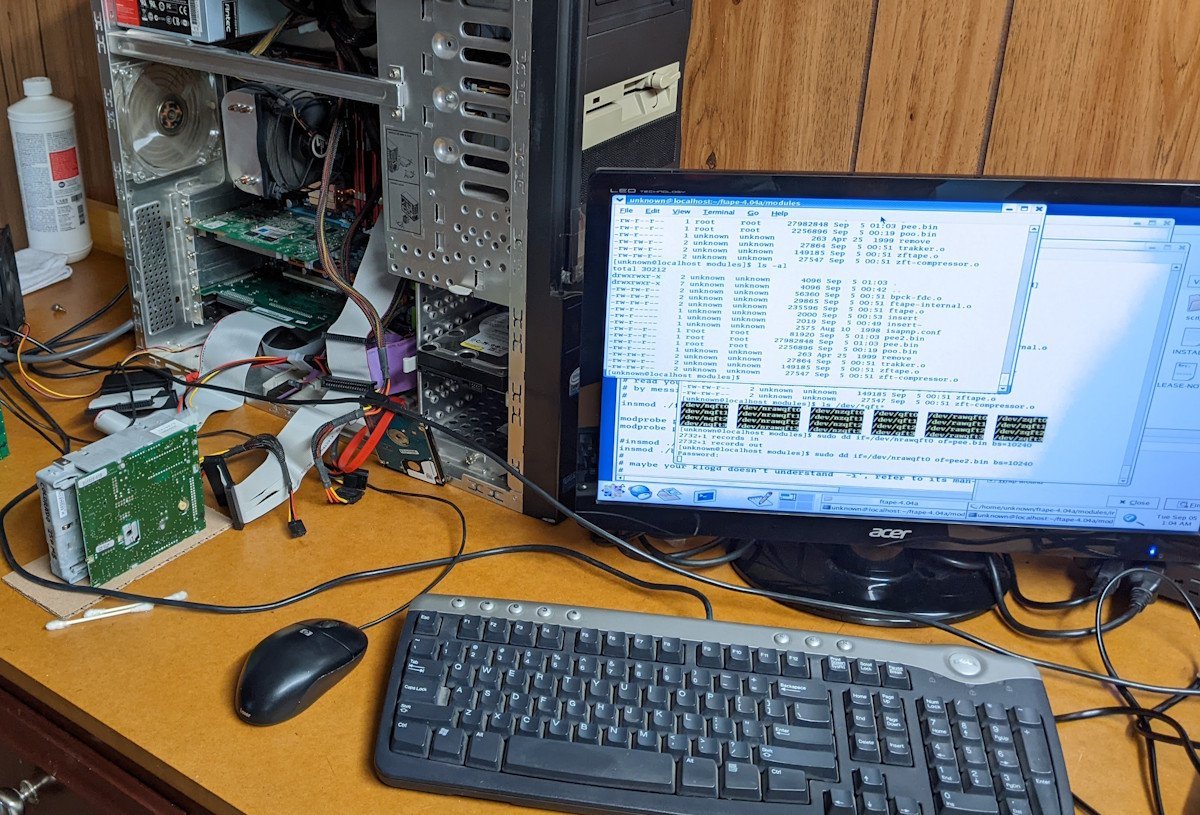 The original setup: CentOS 3.5 running on period hardware.
Claude’s Kernel Surgery
Brant tasked Claude Code with porting ftape to Linux 6.8. The AI tackled:
- API Modernization: Replacing deprecated kernel functions (e.g.,
register_chrdev()with modern equivalents) - Build System Conversion: Transforming the driver into a standalone loadable module
- Hardware Debugging: Diagnosing I/O port misconfigurations via
dmesglogs
“Claude identified that base addresses defaulted to
0xffff, causing ENXIO errors. It patched the module to accept manual port configurations,” Brant noted.
The collaboration wasn’t automatic. Brant intervened during hardware testing, feeding dmesg outputs back to Claude for iterative fixes—highlighting AI’s role as a “junior engineer” needing human oversight.
The New Workflow: AI as Force Multiplier
Brant emphasizes pragmatic AI collaboration:
- Guardrails Required: Human expertise steers architecture and spots flaws
- Targeted Tasks: LLMs excel at API updates and pattern-matching legacy code
- Accelerated Onboarding: Reduced weeks of kernel archaeology to days
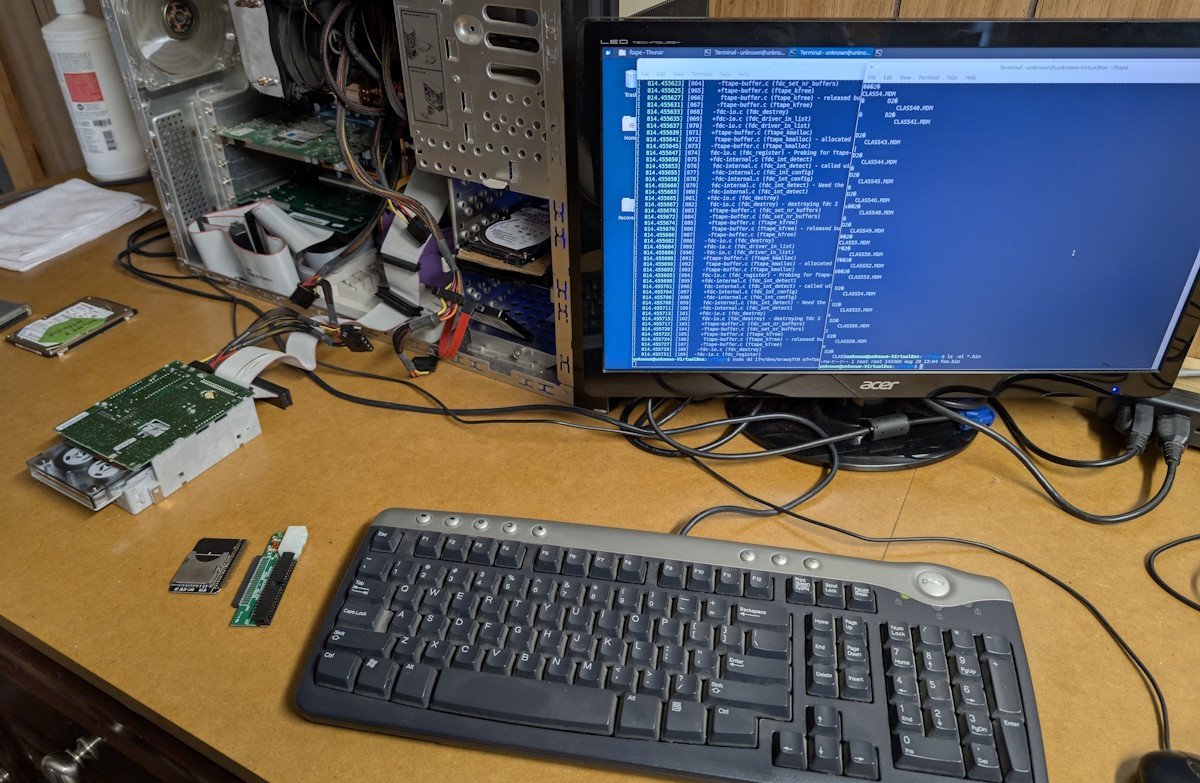 The modernized setup: ftape operational on Xubuntu 24.04.
Why This Matters Beyond Nostalgia
Resurrecting ftape isn’t just about data archaeology. It demonstrates:
- Sustainable Computing: Extending hardware lifespans reduces e-waste
- AI’s Niche in Systems Programming: Automating tedious porting tasks frees developers for higher-level design
- Preservation Ethics: Saving digital heritage often hinges on interoperable tools
Brant’s success proves that even “dead” drivers can breathe again—with AI as a copilot and kernel savvy as the compass. The full source is available on his blog.
Comments
Please log in or register to join the discussion