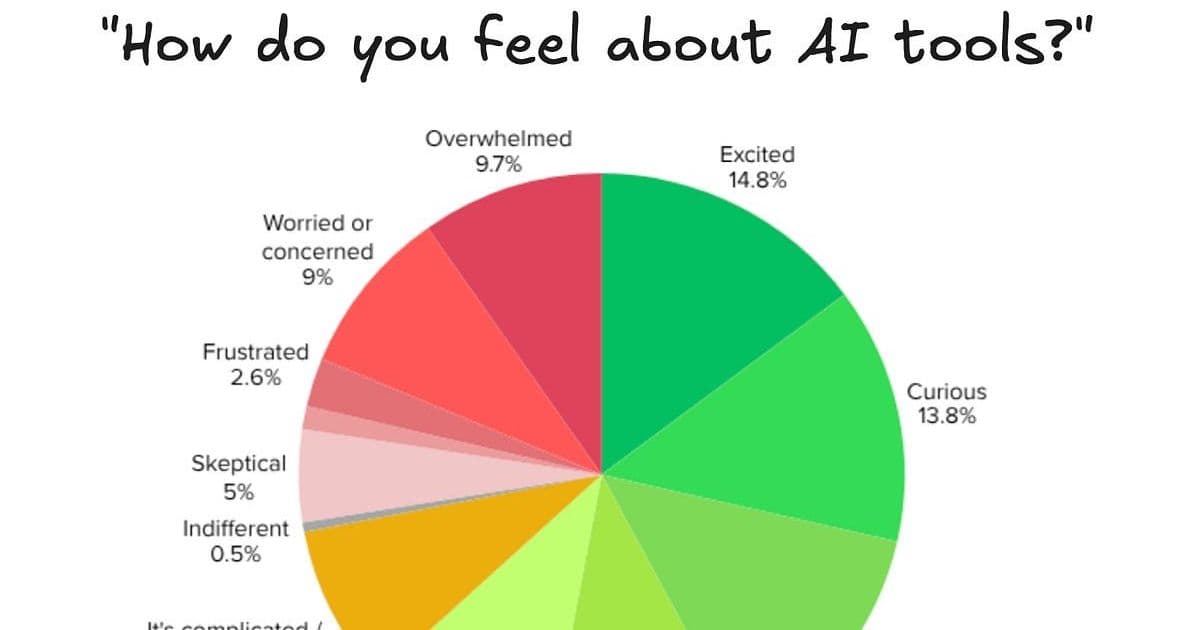
As AI tools become deeply integrated into software development workflows, our 2026 survey reveals critical tradeoffs, adoption challenges, and unexpected consequences. This analysis examines how AI affects code quality, team dynamics, junior engineers, and organizational culture—providing actionable insights for engineering leaders navigating this evolving landscape.
AI's Impact on Software Engineers in 2026: Key Trends and Practical Challenges
The rapid integration of AI into software development continues to reshape how we build, maintain, and think about code. Our recent survey of over 900 software engineers reveals a complex picture of AI's impact—highlighting both significant benefits and concerning trends that every engineering team should understand.
The Dual Nature of AI Tooling: Productivity vs. Quality
AI tools have fundamentally changed how software engineers approach their work, creating a new set of tradeoffs that teams must navigate carefully.
Productivity Gains
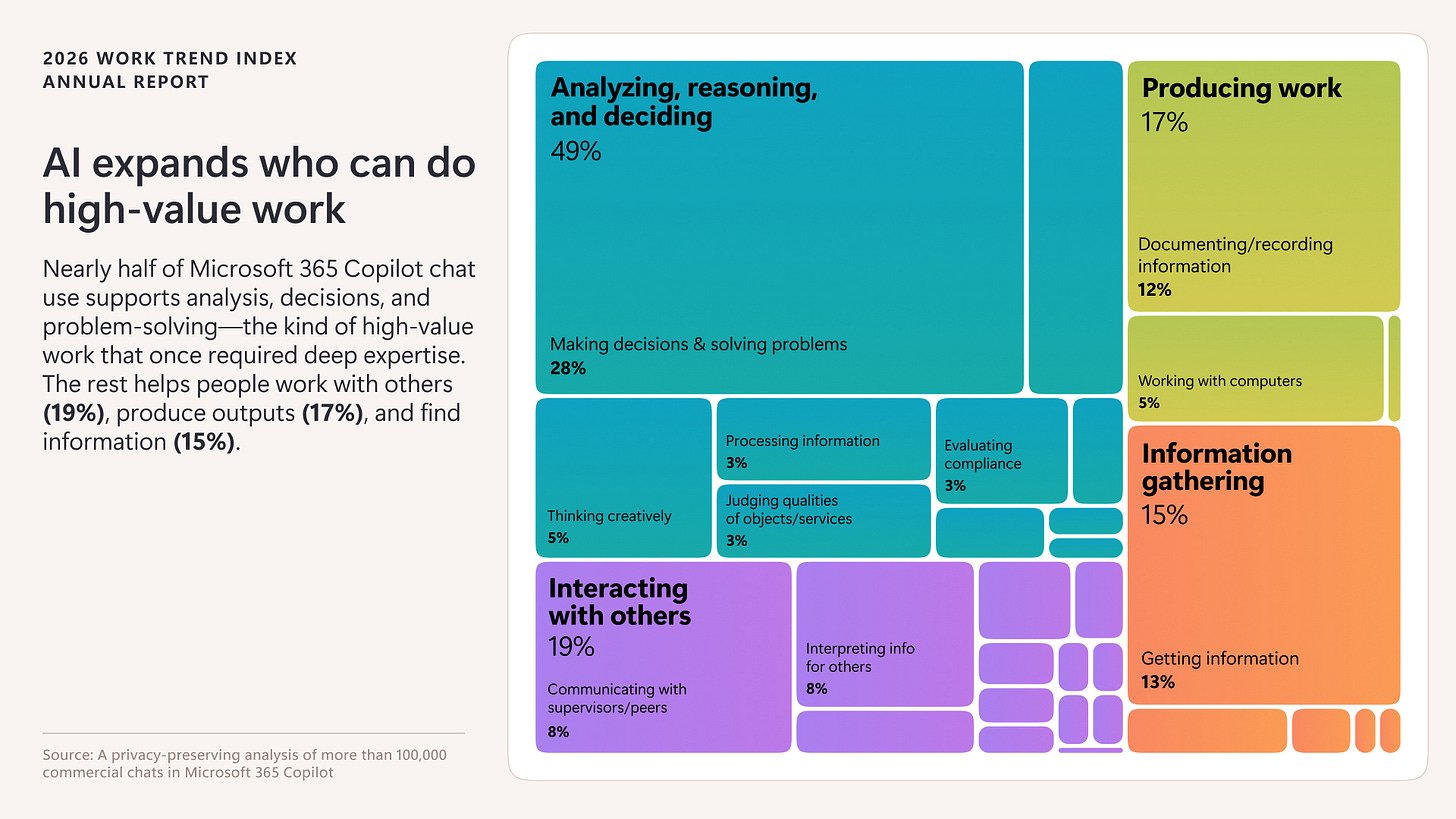
Our survey confirms that AI tools can significantly expand the pool of people who can perform high-value work. This aligns with Microsoft's recent research showing how AI tools enable both developers and non-developers to tackle more complex tasks.
The benefits vary significantly by individual:
- Flow state enhancers: Some engineers report spending more time in "flow states" as AI reduces dependencies on peers and minimizes context switching
- Parallel processing: Others can start and manage multiple tasks simultaneously, accelerating overall progress
- Research acceleration: AI tools dramatically reduce the time needed to understand unfamiliar codebases or technologies
Quality Concerns
Despite productivity gains, several quality-related issues emerged consistently:
- Code duplication: AI tools often generate verbose, repetitive code with poor abstractions
- Testing challenges: Engineers report increased difficulty maintaining comprehensive test coverage
- Architecture erosion: Less experienced developers struggle to maintain architectural coherence
The key insight here is that AI amplifies existing engineering practices—both good and bad. As one survey respondent noted: "AI is an amplifier, not a fixer. Good software engineering practices get multiplied. So do the bad ones."
Organizational Adoption: Beyond the Hype
Implementing AI at scale presents significant challenges that extend beyond simply providing tools to developers.
Adoption Barriers
Our survey identified several common obstacles to successful AI adoption:
- Cost management: Growing concerns about escalating AI usage costs
- ** inconsistent adoption**: Getting teams to use AI tools consistently and effectively
- Onboarding complexity: Larger companies struggle with comprehensive education programs
- Code review challenges: Reviewing AI-generated code requires new approaches and standards
- Integration limitations: AI tools often don't seamlessly integrate with internal systems
Culture Amplification
Perhaps most importantly, AI amplifies pre-existing engineering culture. Teams with strong engineering practices derive significantly more value from AI tools than those without. The most successful implementations share common characteristics:
- Established guardrails: Robust testing and automation around codebases and deployments
- Documentation practices: Recorded architectural decisions and engineering practices
- Quality foundations: High-quality codebases that AI agents can replicate effectively
A solutions architect at a small company observed: "I feel like AI allows both faster prototyping and increased velocity on iterations to production software; it relies on existing best practices / project templates our team already have."
The Personalization Challenge
AI workflows are highly individualized, making organizational-wide implementation complex. As a senior engineer in Canada noted: "It feels like AI workflows are very idiosyncratic in that some people derive (I hate this framing, but…) 10x more productivity benefit from them than other apparently equally clever, educated, and diligent developers."
This personalization creates several challenges:
- Team coordination: Different AI usage patterns can create communication gaps
- Tool proliferation: Teams often adopt multiple tools with little coherence
- Skill divergence: Varying levels of AI proficiency can widen experience gaps
Code Quality Under Pressure
Perhaps the most concerning trend identified in our survey is the decreasing quality of codebases in AI-assisted environments.
Quality Degradation Factors
Several contributors to declining code quality emerged:
- "AI slop": Increased volume of low-quality, duplicated, and verbose code
- Review fatigue: More code reviews with less attention to detail
- Bug proliferation: Faster output combined with less rigorous review processes
- Architectural neglect: Less focus on long-term maintainability
A CTO at a European startup summarized the concerns: "A lot of tiny bugs and low code quality if you are not careful, verify carefully, and have good structure and guardrails. AI agents generate too much and repetitive code, making systems harder to maintain. Developers lose understanding of the codebase and become numb to bad architecture and bad developer experience."
Management Disconnect
A troubling pattern is the disconnect between engineering concerns and management priorities. While engineers focus on quality and maintainability, management often prioritizes short-term output metrics.
A principal DevOps engineer at a large European company highlighted this issue: "In our company, we hand AI tools to inexperienced engineers who can't distinguish good code from bad code and it's falling on deaf ears in our leadership. They only seem to care about short to mid-term cost savings."
The Maintenance Burden
As code quality decreases, the maintenance burden falls on fewer engineers who understand and care about the codebase. This creates a dangerous cycle:
- "Drive-by" contributions: More occasional contributors adding code without sharing maintenance responsibilities
- Guardrail neglect: Insufficient testing and quality control measures
- Complexity explosion: Codebases become increasingly difficult to navigate and maintain
- Knowledge concentration: Maintenance tasks fall to fewer engineers who understand the system
A CEO at a 20-person company captured the concern well: "While AI has made generating code 'cheaper', the monitoring and maintenance worry me; the things that have traditionally cost the most in software. We're increasing the rate of shipping large amounts of code with less understanding and increasing the unpredictability, so how do we work the predictability back on top?"
Junior Engineers in the Age of AI
The first generation of software engineers who have never developed without AI is now entering the industry, creating unique challenges and opportunities.
The AI-Native Developer
As one young engineer shared: "I have never worked as a developer without AI. Writing this scares me a bit, actually, but it's the truth!"
This new reality requires thoughtful approaches to professional development:
- Experience amplification: AI amplifies existing skill levels rather than creating new expertise
- Learning curve challenges: Junior engineers struggle to effectively validate AI outputs
- Token consumption: Junior engineers often use more AI tokens with less productive outcomes
A staff engineer in the US provided a valuable perspective: "Agentic AI is a fascinating mirror. It can code as well as the user who drives it. If that user is a junior engineer, now you have a faster junior engineer. If the user is a staff engineer, now you have a faster staff engineer. What agentic AI doesn't do is magically convert a junior engineer into a staff engineer, because the user driving it still needs enough experience to know what a good solution looks like."
Delegation Shifts
AI is changing how work gets delegated within teams, potentially affecting junior development opportunities:
- Reduced delegation: Senior engineers increasingly handle tasks previously delegated to juniors
- Automation of entry-level work: Repetitive tasks once given to junior developers are now automated
- Mentoring gaps: Fewer opportunities for junior engineers to develop through guided work
A DevSecOps lead at a small company in Europe noted: "AI allows me to have work done that I would usually delegate to a junior or pay a SaaS for; e.g., writing drafts, summarizing the news."
This trend raises important questions about how the next generation of engineers will develop the practical experience needed for senior roles.
The Psychology of AI-Assisted Development
Our survey revealed concerning patterns around AI tool usage that suggest developing psychological dependencies.
Additive Behaviors
Several respondents described behaviors characteristic of addictive patterns:
- Compulsive prompting: "Just one more prompt" mentality leading to excessive tool usage
- Variable reward schedules: AI responses function like a "slot machine," creating unpredictable reward patterns
- Usage escalation: Gradual increase in tool dependency over time
Pricing Strategies
Many respondents expressed concerns about AI pricing models that encourage excessive usage:
- Token-based incentives: Pricing structures that reward higher usage
- Tier limitations: Usage caps that encourage upgrading plans
- Hidden costs: Unexpected charges that emerge with increased adoption
A senior engineer at a large tech company described the experience: "Using AI agents feels like a slot machine. You get these occasional brilliant responses that keep you coming back for more, even when most of the time the output is mediocre. The pricing seems designed to encourage this behavior with tiered limits that make you want to upgrade just to keep experimenting."
Navigating the AI Transition: Practical Recommendations
Based on our survey findings, here are actionable recommendations for engineering teams navigating AI adoption:
For Engineering Leaders
- Establish clear quality metrics: Define measurable quality standards that account for AI-assisted development
- Implement tiered adoption: Allow teams to progress through AI adoption stages at appropriate paces
- Invest in training: Develop comprehensive AI literacy programs tailored to different experience levels
- Create feedback loops: Establish mechanisms to continuously evaluate AI tool effectiveness
- Balance speed and quality: Set expectations that recognize both productivity gains and quality maintenance
For Individual Engineers
- Develop AI literacy: Learn to effectively prompt, validate, and integrate AI outputs
- Maintain core skills: Continue developing fundamental engineering skills that AI cannot replace
- Find your workflow: Experiment to identify AI usage patterns that complement your working style
- Quality advocacy: Champion quality standards within your team and organization
- Mentorship focus: Prioritize opportunities to mentor junior developers despite AI alternatives
For Organizations
- Culture assessment: Evaluate how AI will amplify your existing engineering culture
- Tool standardization: Balance flexibility with consistent tooling across teams
- Cost management: Implement usage monitoring and budgeting processes
- Quality governance: Develop new code review standards and quality assurance processes
- Career path evolution: Rethink career development paths in an AI-assisted environment
Looking Ahead: The Future of AI in Software Engineering
As we continue to integrate AI into software development, several trends are likely to shape the future:
- Code ownership evolution: The concept of individual code ownership may continue to erode
- Collaboration models: Team structures may need to adapt to AI-enhanced workflows
- Skill requirements: Core engineering skills will likely shift toward higher-level design and system thinking
- Quality expectations: Industry standards for code quality may need to evolve in AI-assisted environments
- Tool integration: More seamless integration between AI tools and development environments
A principal engineer at a large tech company offered this perspective: "We're still figuring out how to balance the productivity gains from AI with the long-term maintainability of our systems. The key is recognizing that AI is a tool that extends our capabilities rather than replaces our judgment."
Conclusion
AI's impact on software engineering in 2026 reveals both tremendous potential and significant challenges. The most successful organizations will be those that approach AI adoption thoughtfully—recognizing that AI amplifies existing practices rather than creating new ones. By establishing clear quality standards, investing in appropriate training, and maintaining focus on core engineering principles, teams can harness AI's benefits while mitigating its risks.
As we continue to navigate this evolving landscape, the most important lesson may be that AI tools are most effective when they extend human capabilities rather than replace human judgment. The future of software development lies in thoughtful human-AI collaboration, not in complete automation.
For more detailed analysis of our AI survey results, including specific tool usage patterns and company-size comparisons, see our previous articles in this series: AI tooling for software engineers in 2026 and The impact of AI on software engineers in 2026: key trends.
Comments
Please log in or register to join the discussion