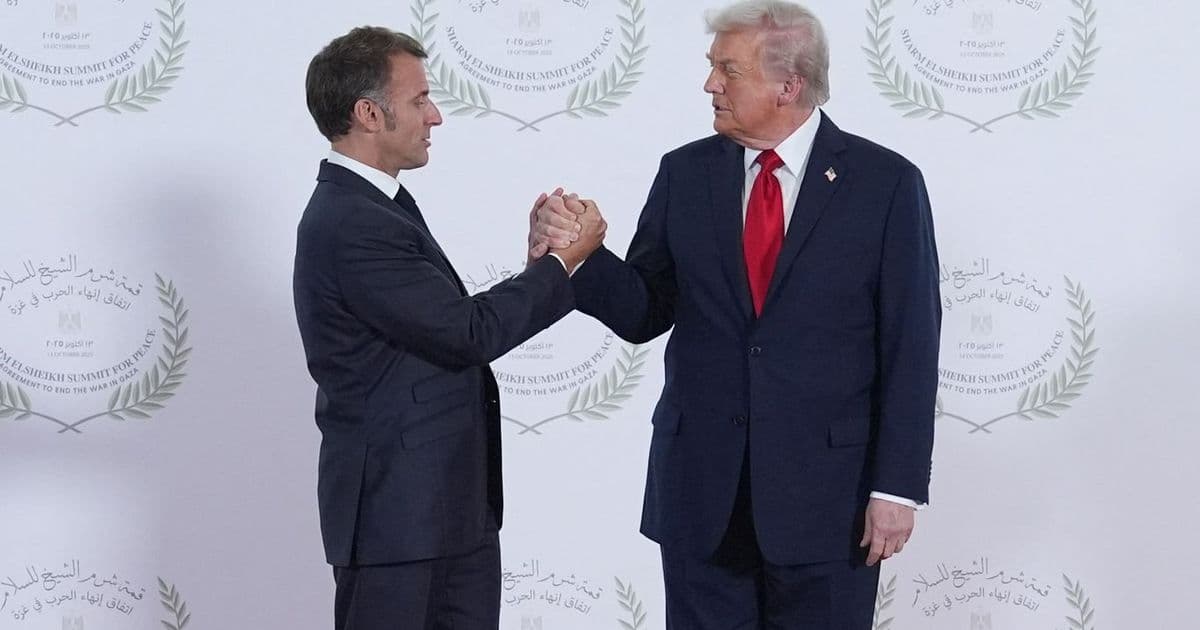
President Trump's participation in the G7 summit in France comes amid ongoing friction with European allies, creating uncertainty for global markets and international business operations as trade tensions persist.
President Trump's decision to attend the G7 summit in France, despite persistent friction with European allies, carries significant implications for global markets and international business strategy. The meeting comes at a critical juncture in transatlantic relations, with trade disputes, differing approaches to regulation, and competing geopolitical interests creating a complex environment for multinational corporations.
The G7, representing the world's largest advanced economies, accounts for approximately 40% of global GDP and nearly one-third of worldwide trade. When leaders from these nations gather, their discussions often shape international business regulations, trade policies, and market conditions that directly impact corporate bottom lines. 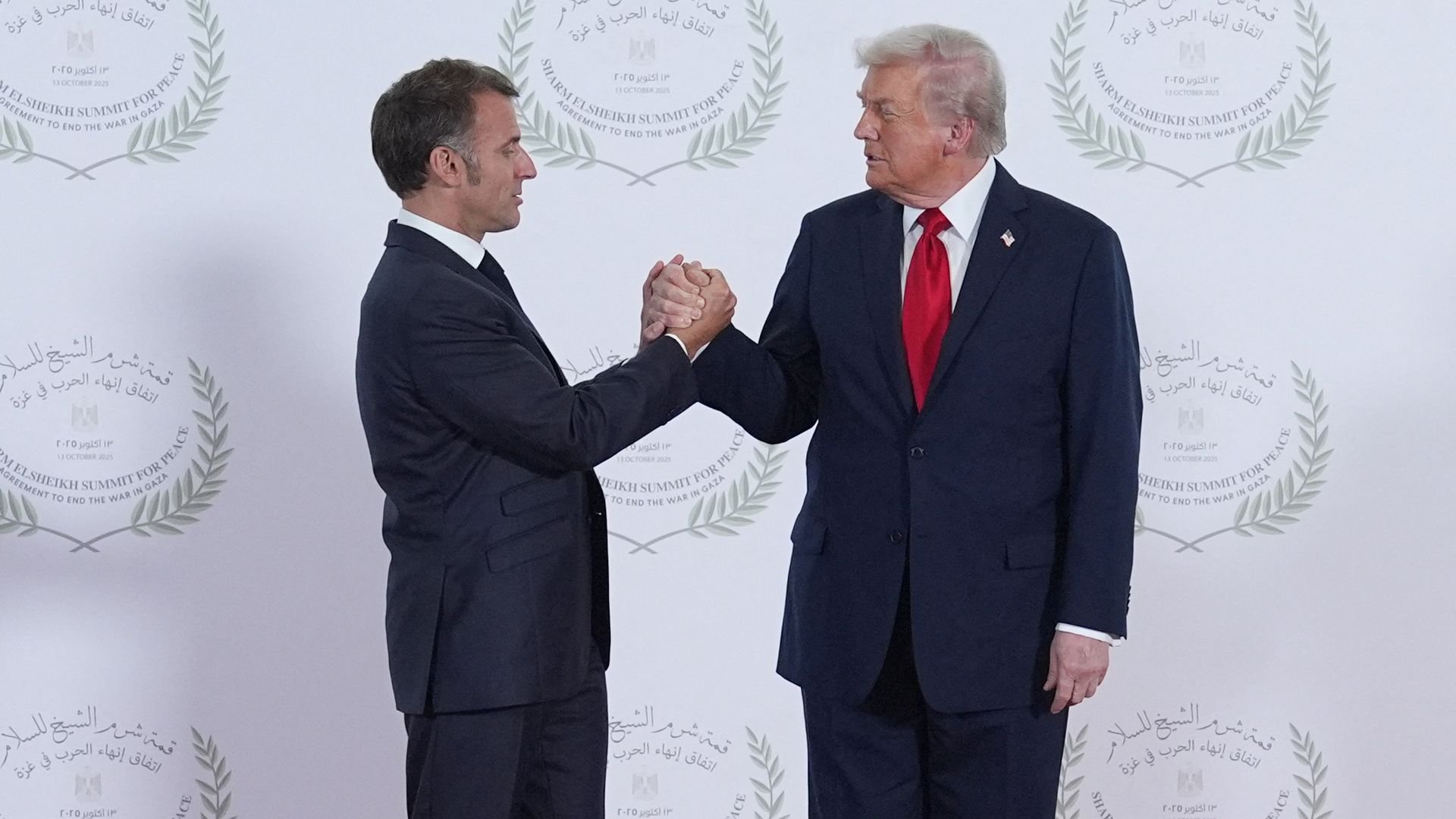
Market analysts are closely monitoring the summit for signals on several key issues affecting business operations:
Trade Policy Direction: The ongoing U.S.-EU trade tensions have created uncertainty for businesses with cross-Atlantic supply chains. While tariffs on steel and aluminum remain in place, the absence of new trade wars could provide some stability for companies planning long-term investments.
Digital Tax Disputes: European nations have pushed for digital services taxes targeting American tech giants, while the U.S. has threatened retaliatory measures. The summit may signal whether a compromise is possible or if the digital tax dispute will escalate further, directly affecting tech companies' global tax strategies.
Climate Regulations: Divergent approaches to environmental regulations between the U.S. and Europe impact energy companies, automotive manufacturers, and industrial sectors. European regulators have implemented stricter emissions standards, creating competitive challenges for U.S. firms operating in both markets.
Supply Chain Resilience: The summit may address strategies for building more resilient supply chains in the wake of geopolitical tensions and the COVID-19 pandemic. Businesses are particularly interested in potential incentives for reshoring or near-shoring operations to reduce vulnerability to international disruptions.
The economic stakes are substantial. A 2023 analysis by the Peterson Institute for International Economics estimated that unresolved trade disputes between the U.S. and EU could cost the global economy up to $300 billion annually through 2030, with American businesses bearing approximately 40% of those costs.
Corporate strategists are adjusting their approaches in anticipation of continued uncertainty. Multinational corporations are increasingly implementing "dual strategies" that maintain flexibility to adapt to changing policy environments. This includes maintaining multiple regulatory compliance frameworks, diversifying supply chains across regions, and investing in scenario planning to address various policy outcomes.
Market reactions to the summit will likely be measured, with investors focusing on concrete outcomes rather than diplomatic statements. Previous G7 summits have produced mixed results on trade issues, with declarations of cooperation often followed by continued policy divergence in implementation.
The business community's response to the summit will be determined by whether it produces actionable agreements or merely symbolic gestures of cooperation. For multinational corporations operating in both U.S. and European markets, clarity and consistency in regulatory environments remain the primary priorities, regardless of the diplomatic rhetoric.
Comments
Please log in or register to join the discussion