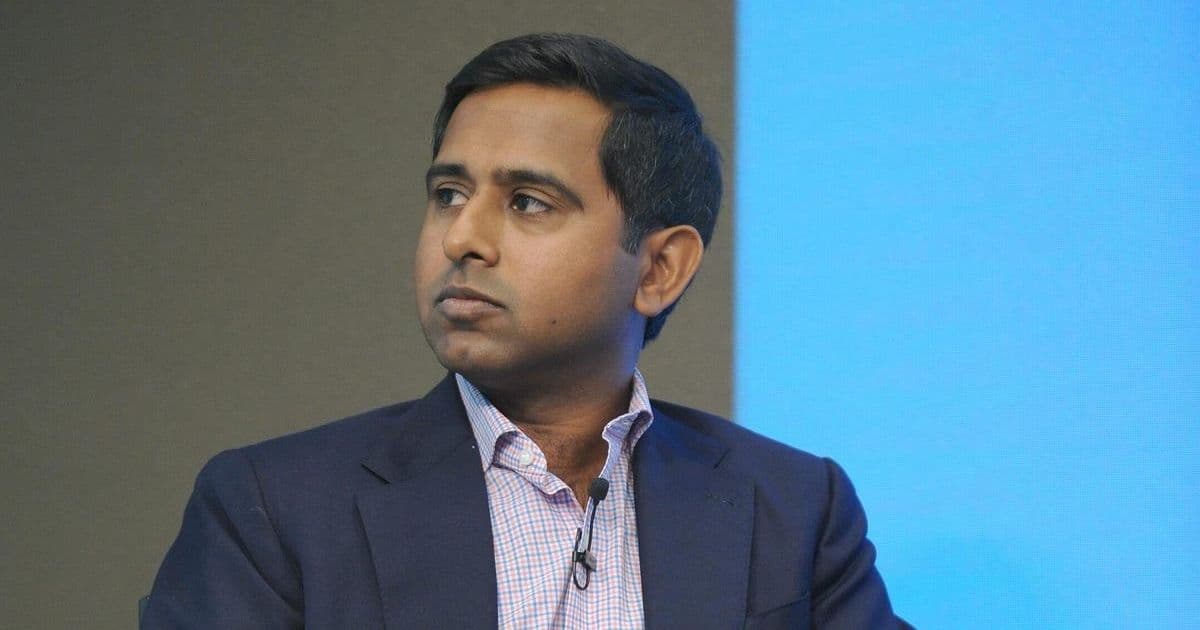
Ziff Davis CEO Vivek Shah cautions that AI chatbots like ChatGPT and Gemini are increasingly citing marketing materials over journalistic sources when providing product recommendations, risking biased consumer advice. Despite his company's high-profile lawsuit against OpenAI for content scraping, Shah emphasizes he remains 'bullish' on AI's broader transformative potential.
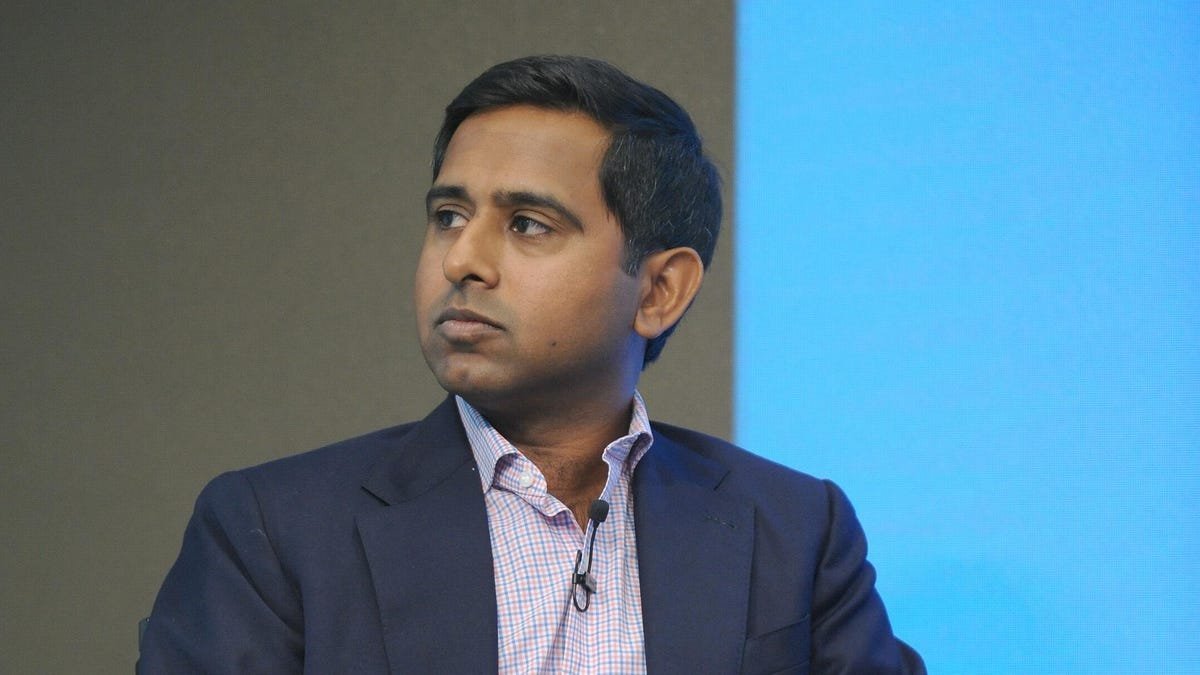
In an era where AI chatbots have become go-to advisors for everything from tech gadgets to travel plans, Ziff Davis CEO Vivek Shah is sounding the alarm on a critical shift beneath the surface. During a recent interview on the Channels podcast with journalist Peter Kafka, Shah highlighted a disturbing trend: large language models (LLMs) powering popular platforms like Google Gemini, Anthropic's Claude, and OpenAI's ChatGPT are increasingly sourcing information from brand marketing materials rather than neutral, journalistic content. This pivot, he argues, threatens the integrity of consumer decision-making.
'In the end, sources matter,' Shah stated. 'Where we get information matters. If you start to look into citations in LLM chatbots, you'll see that sources have gone from journalism sources to marketing sources.' He urges users to scrutinize the citations behind AI-generated advice, especially for high-stakes purchases, noting that brands cited in responses often have a vested interest in promoting their products—potentially skewing recommendations away from user-centric objectivity.
Shah demonstrated the issue through a real-world test, querying multiple chatbots about whether Meta's Ray-Ban Display glasses are a good purchase. The results were inconsistent: Claude and Gemini leaned heavily on vendor sources, while Perplexity and ChatGPT showed more publisher references. Perplexity stood out for prominently displaying and linking sources, but Shah stressed that outputs can vary per query and user, making transparency crucial. 'I am amazed at how many citations are not from publishers but from brands,' he observed. 'For most brands, being sourced in an AI answer is a good thing because it favors their product. But that may not be in the best interest of the user.'
This warning comes amid Ziff Davis's ongoing lawsuit against OpenAI, which alleges unauthorized use of copyrighted content from its properties, including ZDNET, to train ChatGPT. Yet Shah is quick to distance his IP concerns from broader AI skepticism. 'I'm actually very bullish about AI in terms of what it can do for our business and beyond,' he told Kafka, suggesting that licensing trustworthy data to AI firms could be part of Ziff Davis's future. 'My issue is an intellectual property issue, but it's not one where I say AI isn't transformative for our lives and businesses. I think it is going to be.'
The implications extend beyond consumer tech into core questions about how AI systems prioritize and validate information. As chatbots become embedded in daily workflows, Shah's call to action—verify your sources—serves as a reminder that even the most seamless AI interfaces require human vigilance to prevent hidden biases from shaping critical choices.
Source: ZDNET article, October 13, 2025
Comments
Please log in or register to join the discussion