
A London academic successfully challenged a £12,000 Airbnb damage claim by proving the host used digitally altered images, spotlighting how cheap AI tools are enabling sophisticated fraud. This case forces a reckoning for tech platforms on verifying evidence in disputes.
Airbnb Damage Dispute Exposes AI's Role in Escalating Digital Fraud
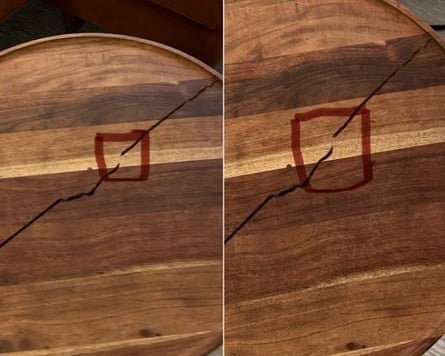
In a startling case that underscores the vulnerabilities of digital trust systems, a London-based academic found herself battling false accusations after her Airbnb host in Manhattan claimed she caused over £12,000 in damages. The host submitted photos of a cracked coffee table and other alleged destruction, but the guest spotted inconsistencies suggesting digital manipulation—a red flag in an era where AI tools make fakery effortless and convincing. After a protracted fight, Airbnb refunded her £4,269 and removed a retaliatory review, but the incident has ignited concerns about how platforms handle evidence in the age of generative AI.
The Allegations and the AI Red Flags
The guest, who booked the one-bedroom apartment for a study stint, cut her stay short due to safety concerns, only to face a barrage of accusations: urine-stained mattresses, a damaged robot vacuum, and a shattered coffee table. The host, an Airbnb 'superhost,' provided images as proof, but a side-by-side analysis revealed troubling discrepancies. For instance, one photo showed a clean table surface, while another depicted deep cracks in the same spot—differences the guest argued were impossible without digital tampering.
{{IMAGE:4}}
"These inconsistencies are simply not possible in genuine, unedited photographs," the guest stated, highlighting how Airbnb initially ignored her evidence, including eyewitness testimony. "It should have raised red flags immediately, but they failed basic scrutiny."
Her skepticism wasn't unfounded. Experts like Serpil Hall, director of economic crime at Baringa, confirm that AI-driven image manipulation is now alarmingly accessible. "Software to alter visuals is cheap, widely available, and requires little skill," Hall noted, pointing to a surge in similar fraud cases across industries, from insurance claims to rental disputes. Tools that once required Photoshop expertise can now generate convincing fakes with a few clicks, exploiting gaps in platform verification processes.
Airbnb's Reversal and the Broader Tech Implications
Airbnb initially sided with the host, demanding £5,314 in reimbursement, but reversed course after the guest's appeal and media involvement. The company apologized, refunded her fully, and warned the host of potential removal for policy violations. Crucially, Airbnb admitted it couldn't verify the submitted images, prompting an internal review of its dispute resolution system. This response, however, came only after intense pressure, raising questions about scalability: if a tech-savvy academic can fight back, what about less-equipped users?
{{IMAGE:5}}
The fallout extends beyond one case. For developers and platform engineers, this is a wake-up call to integrate forensic tools—such as metadata analysis or AI-detection APIs—into dispute workflows. As Hall emphasized, "Images can't be taken at face value anymore; companies need fraud intelligence models to validate them." Meanwhile, the ease of AI fraud threatens the sharing economy's foundation: trust. Without robust safeguards, consumers and hosts alike risk exploitation, and platforms could face regulatory crackdowns. This incident isn't just about a refund; it's a microcosm of how generative AI is rewriting the rules of evidence, demanding that tech leaders prioritize transparency and resilience in digital interactions.
Comments
Please log in or register to join the discussion