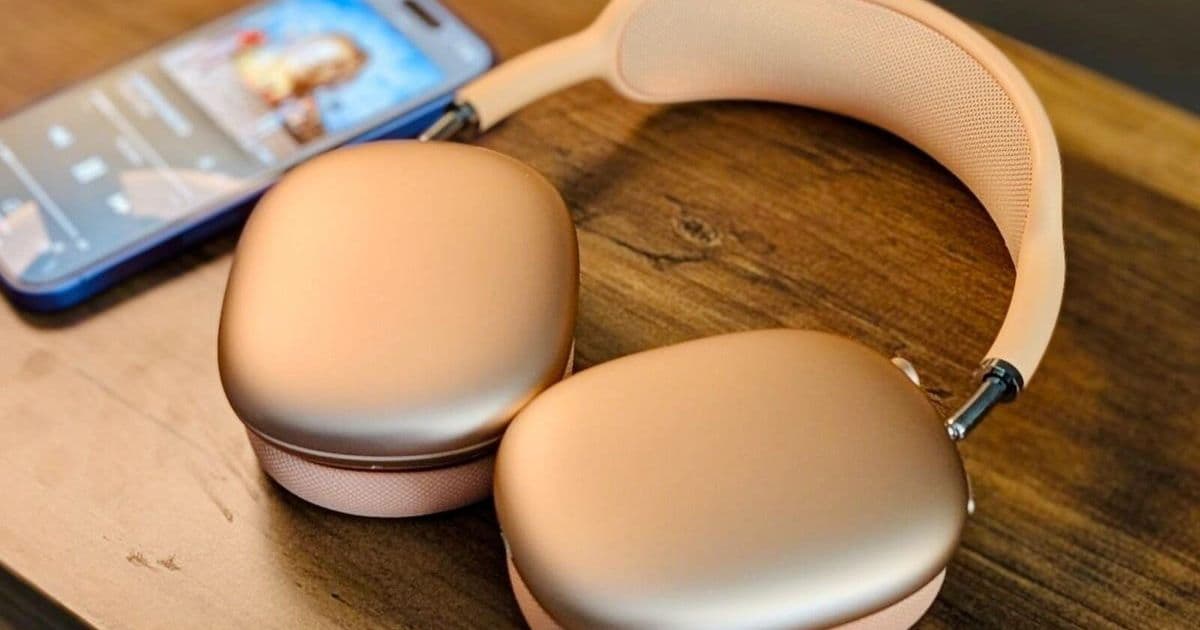
Five years after their debut, Apple's AirPods Max continue to hold their own against fierce competition from Sony, Bose, and Sonos. ZDNET's deep dive reveals where Apple's design and sound quality excel—and where battery life and software limitations fall short. For Apple loyalists, these headphones remain a top contender, but newer rivals offer compelling alternatives.
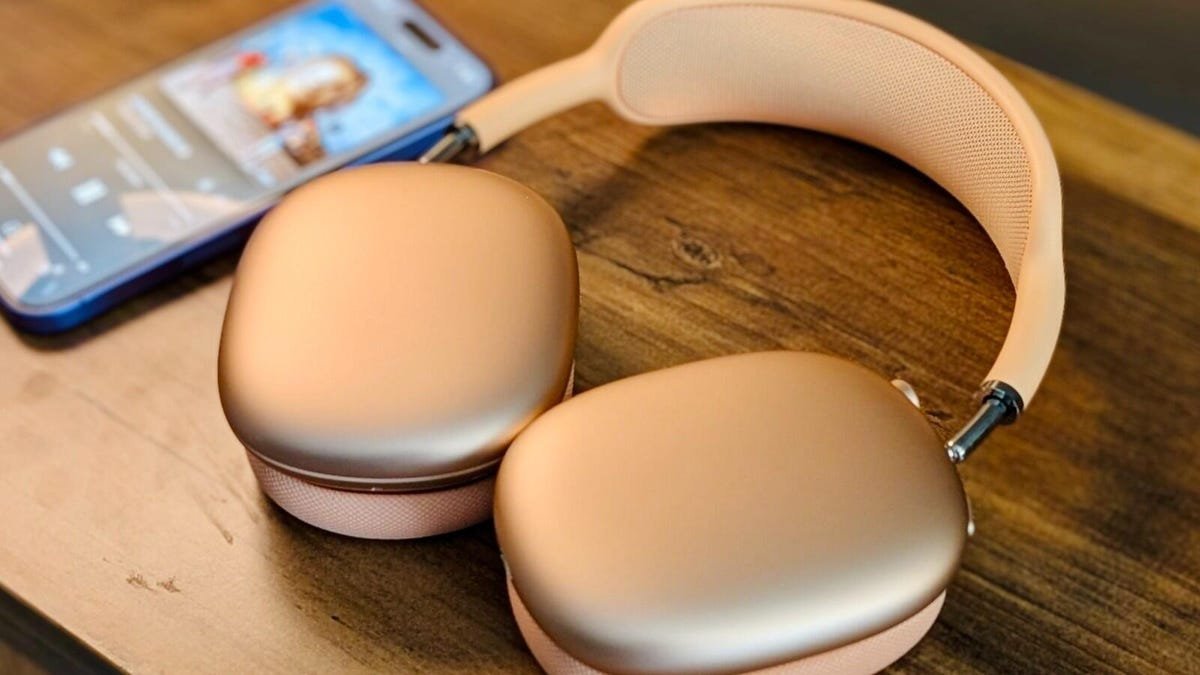
In the rapidly evolving world of premium audio, few products maintain relevance half a decade after launch. Yet Apple's AirPods Max, first released in 2020 and refreshed in 2024 with USB-C and lossless audio support, still command attention. As competitors like Sony's WH-1000XM6, Bose's QuietComfort Ultra, and Sonos Ace push boundaries with advanced features, ZDNET's Jada Jones puts them to the test. The verdict? The AirPods Max aren't just surviving—they're thriving in key areas, but their age is showing.
Design and Ecosystem: Where Apple Still Shines
The AirPods Max's iconic design, with stainless steel accents and minimalist aesthetic, remains unmatched for elegance. Unlike the plastic-heavy builds of the Sony XM6 and Bose QC Ultra—despite their sustainability merits—Apple's headphones exude premium craftsmanship. Sonos Ace comes closest with its clean lines and metallic touches, but Apple's Digital Crown control offers unparalleled tactile precision.
For Apple users, interoperability is the killer feature. Seamless pairing across iPhones, iPads, and Macs creates a frictionless experience competitors can't replicate. As Jones notes, 'Personalized Spatial Audio delivers a naturally expansive soundstage that feels immersive without artificiality.' While Sonos Ace and Beats Studio Pro offer similar spatial capabilities, Apple's implementation feels more cohesive within its ecosystem.
Noise cancellation is competitive, with the AirPods Max leveraging eight microphones for effective ANC. Yet it's Transparency Mode where Apple dominates. 'The AirPods Max provide the clearest, most natural-sounding ambient passthrough,' Jones observes, outperforming rivals. The unique mesh ear pads also contribute to comfort by reducing heat buildup—though they require more maintenance than silicone alternatives.
The Downsides: Battery Life and Software Stagnation
Where the AirPods Max falter is endurance and adaptability. At 20 hours, their battery life trails the Sonos Ace (30 hours) and Sony XM6 (30 hours), making them less ideal for long-haul travel. Heft is another issue: weighing more than competitors, they can cause fatigue during extended use, unlike the plush, lightweight designs of the Bose QC Ultra or Sonos Ace.
Software limitations are more glaring. The H1 chip lacks support for adaptive noise cancellation—a standard in newer models like the Bose QC Ultra—which intelligently adjusts ANC based on environment. Updates are also cumbersome, requiring an Apple device. 'Without a companion app, you're tied to iOS updates,' Jones explains, highlighting a pain point for cross-platform users. ZDNET's Kerry Wan, an Android-primary user, confirms the hassle: 'I keep an iPhone just for headphone updates.'
The Verdict: Who Should Buy in 2025?
For entrenched Apple users, the AirPods Max remain a stellar choice, especially on sale. Their design, sound quality, and ecosystem integration justify the premium for those invested in Apple's world. But alternatives shine for specific needs:
- Sonos Ace: Best for design-conscious users wanting cross-platform compatibility.
- Bose QC Ultra: Ideal for comfort and top-tier ANC.
- Sony WH-1000XM6: The leader in battery life and noise cancellation.
- Beats Studio Pro: A budget-friendly bridge for Android and iOS users.
As the headphone market accelerates with AI-driven features and sustainability focus, the AirPods Max’s longevity is impressive—but their next iteration must address software and weight to stay ahead. For now, Apple proves that great hardware can endure, even as the pack closes in.
Based on original reporting by Jada Jones for ZDNET.
Comments
Please log in or register to join the discussion