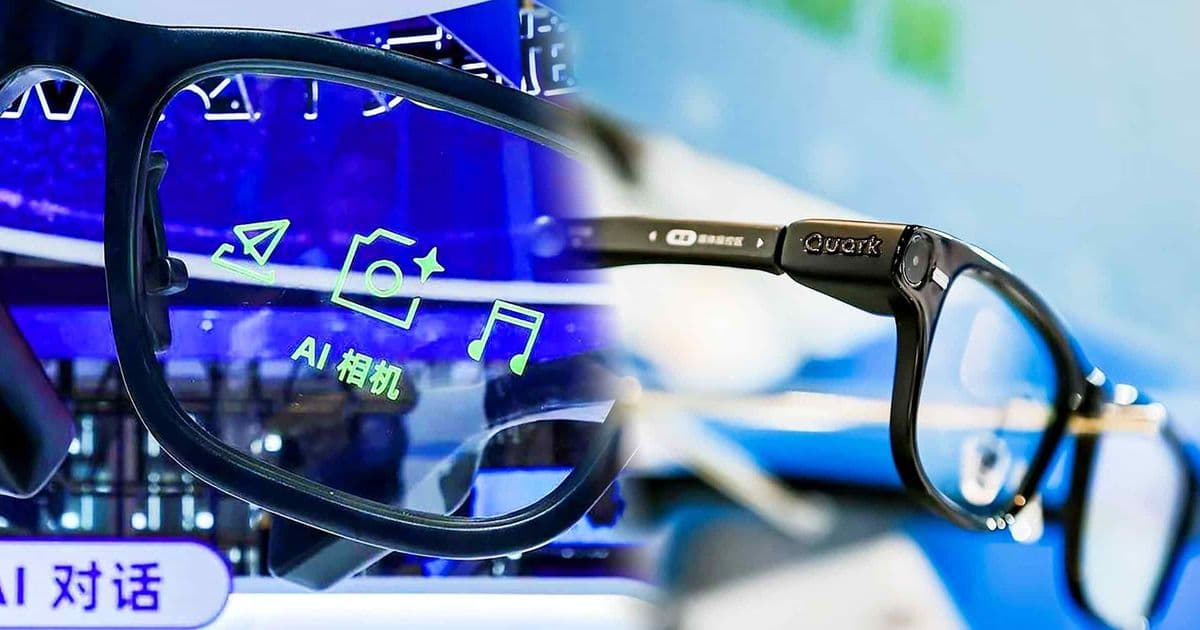
Alibaba's affordable Quark AI glasses gain traction among Chinese consumers with advanced AI functionality, positioning China's tech giants to disrupt Meta and Samsung's dominance in smart eyewear.
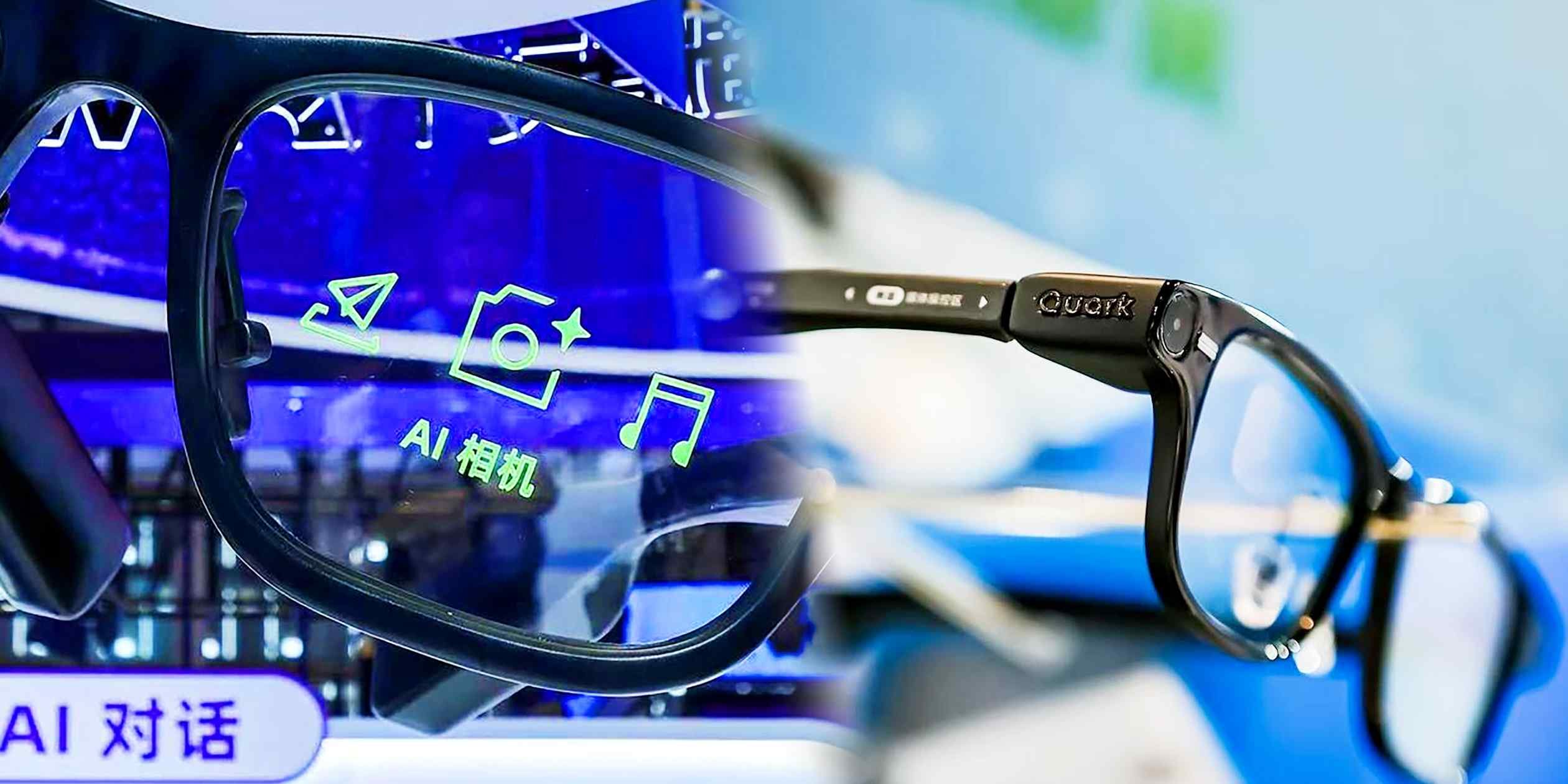
Chinese tech conglomerate Alibaba has launched Quark AI glasses, a new entrant in the competitive augmented reality eyewear market that directly challenges established players like Meta and Samsung. Released in November 2025, the device has demonstrated strong early adoption in China's domestic market, signaling a strategic shift in the global wearables landscape.
Unlike bulky headsets such as Apple Vision Pro, Quark glasses prioritize lightweight design and conversational AI integration. The device enables real-time voice interactions, answering user queries through integrated artificial intelligence systems comparable to large language models. Early adopters like Xiaoma, a 35-year-old tech enthusiast interviewed by Nikkei Asia, report higher daily usage rates compared to premium alternatives, citing the device's practicality and seamless AI integration as key advantages.
Market data reveals China's strategic positioning in the $42.7 billion global AR/VR hardware sector. While Meta controls 47% market share according to IDC's 2025 report, Chinese manufacturers leverage three critical competitive edges:
- Hardware Affordability: Quark retails at approximately $299 - less than one-fifth of Apple Vision Pro's $3,499 price point
- AI Integration: Native conversational capabilities without requiring paired devices
- Manufacturing Scale: Shenzhen-based supply chains enable rapid production scaling
Domestic consumer adoption metrics indicate promising traction, with Alibaba reporting over 120,000 units sold in the first quarter following launch. This positions Alibaba alongside emerging Chinese competitors like Xiaomi and Baidu in the race to dominate affordable AR hardware.
Industry analysts note significant implications for global competition:
- Market Diversification: Challenges Western dominance in premium wearables
- AI-Hardware Convergence: Accelerates integration of generative AI into daily-use devices
- Pricing Pressure: Forces established players to reconsider premium pricing strategies
Samsung's upcoming Galaxy Glass and Meta's next-generation Ray-Ban smart glasses now face intensified competition from Chinese manufacturers prioritizing accessibility. With China accounting for 38% of global electronics manufacturing according to World Bank data, Alibaba's move signals a strategic pivot from software dominance to hardware-software ecosystems. As consumer preferences shift toward practical daily-use wearables over immersive headsets, China's focus on affordable AI integration may redefine competitive dynamics in the global AR market through 2026 and beyond.
Comments
Please log in or register to join the discussion