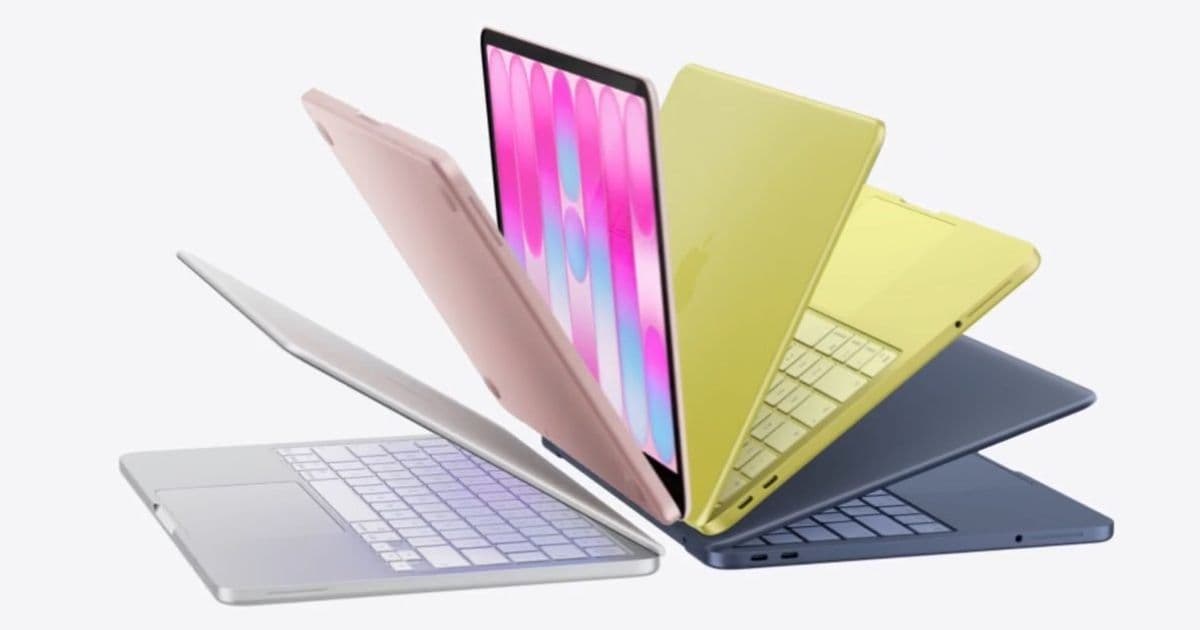
Steven Sinofsky, Microsoft's former Windows Division President, offers a candid review of Apple's MacBook Neo, contrasting its success with Microsoft's earlier ARM-based PC efforts and reflecting on the strategic differences that led to vastly different outcomes.
Former Microsoft Windows Division President Steven Sinofsky has published a candid review of Apple's new MacBook Neo, offering both praise for the device and a thoughtful analysis of why Microsoft's similar ARM-based PC efforts years ago didn't achieve comparable success.

In his blog post titled "Mac Neo and my afternoon of reflection and melancholy," Sinofsky draws from his experience leading Microsoft's Windows efforts to examine the MacBook Neo from a unique perspective. His review comes as the laptop receives near-universal acclaim for delivering solid performance at an aggressive $599 price point.
The ARM Strategy That Wasn't
Sinofsky's most compelling insights focus on what went wrong with Microsoft's ARM strategy. He reveals that Microsoft had all the pieces needed for a MacBook Neo-like device years ago:
"We had all the pieces and all the pieces worked then. The world as we lived it was quite capable of running the device. And it cost $599 with keyboard/32GB, $699 for 64GB."
However, he identifies a critical strategic error: Microsoft's attempt to move the ecosystem to a new app model wasn't fast enough. "A lot of people rebelled about this," he notes, contrasting this with Apple's decades-long effort to transition developers toward new APIs and frameworks.
The Compatibility Trap
The former Microsoft executive argues that Apple benefited from its ability to make cleaner breaks with the past. "From the day we announced ARM we sought to separate the x86 Windows world and be new," Sinofsky writes. "I knew that any baby-step in the Microsoft world was in practice a lifetime commitment."
This philosophy led to ARM being treated as "a forever alternative to x86" rather than a true replacement. Sinofsky maintains this was intentional: "There's no revisionist history here. It was our strategy."
The MacBook Neo's Real Achievement
Beyond the historical comparison, Sinofsky offers a refreshing perspective on what makes the MacBook Neo successful. Rather than viewing it as a device that needs constant improvement, he suggests its strength lies in consistency:
"Neo doesn't have to get better. It just has to stay excellent."
He points out that Apple's product lineup provides clear upgrade paths, with "two more levels of laptops and two levels of desktops" above the Neo, plus iPads. This creates a natural progression for users whose needs grow over time.
Looking Ahead
Sinofsky predicts the MacBook Neo's long-term value proposition will only improve: "The Neo in 5 years will be more powerful than most of those and probably still cost $699. Moore's law is undefeated."
His full post, available on his Learning by Shipping blog, provides a rare insider's perspective on the strategic decisions that shaped both Microsoft's and Apple's approaches to ARM-based computing. For anyone interested in understanding why similar technological capabilities led to such different market outcomes, it's worth reading in full.
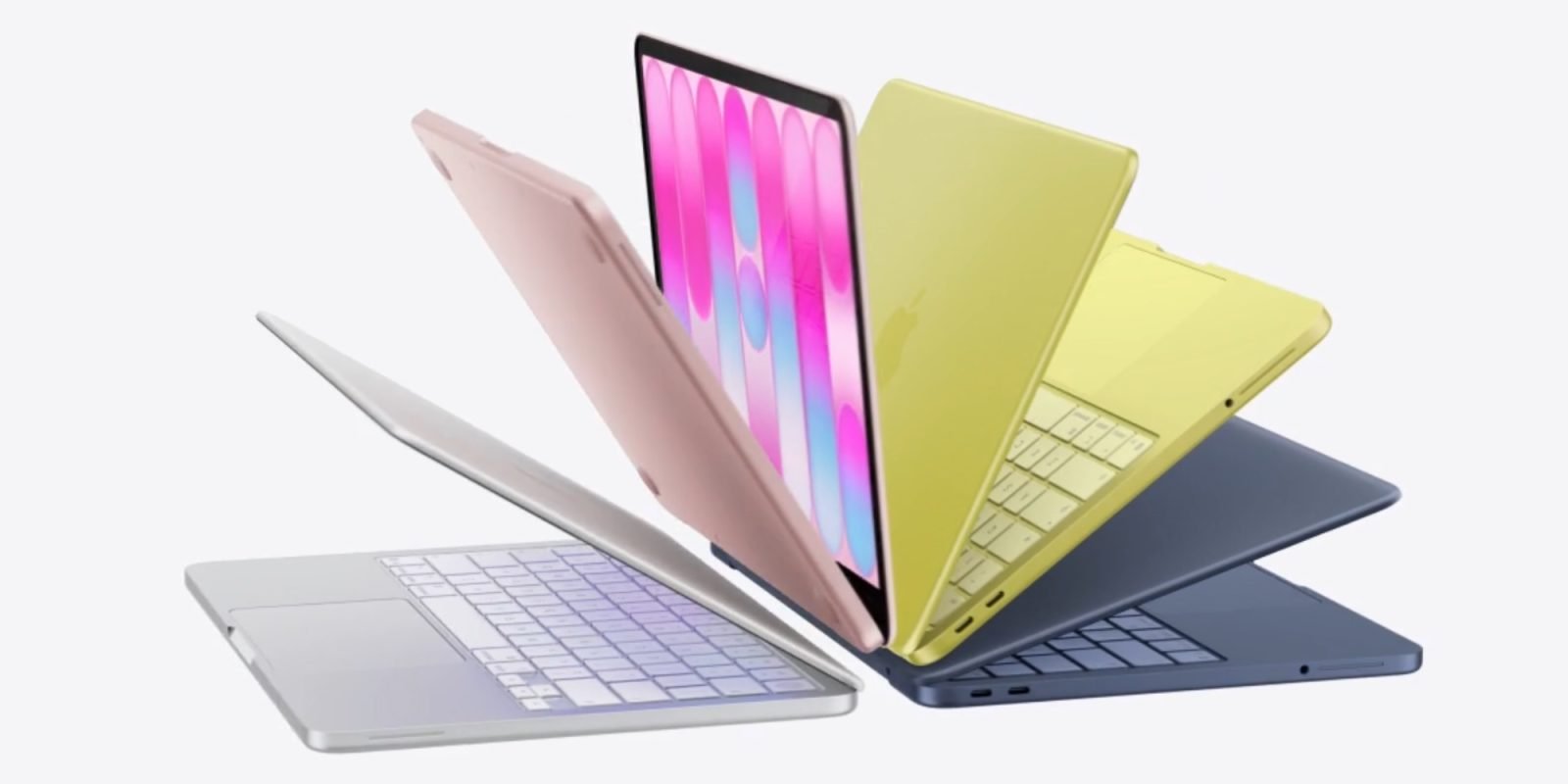
The MacBook Neo represents Apple's latest attempt to capture the budget-conscious market while maintaining its premium ecosystem. Whether Microsoft could have achieved similar success with different strategic choices remains one of tech's great "what if" questions—one that Sinofsky's review helps illuminate from someone who was there when those decisions were made.
Comments
Please log in or register to join the discussion