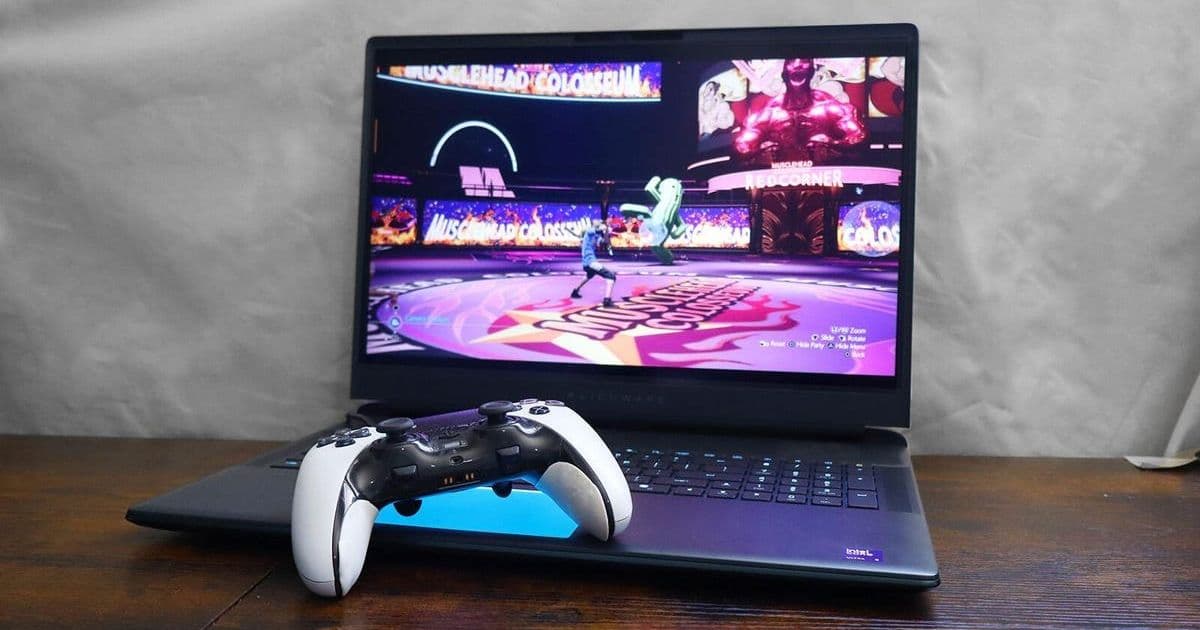
Dell's Alienware 18 Area-51 blurs the line between desktop and laptop with its Intel Ultra 9 CPU and RTX 5090 GPU, delivering unmatched performance for gamers and creatives. Its revolutionary Cyro-Chamber cooling system keeps thermals in check under extreme loads, though its hefty weight and short battery life demand compromises. This powerhouse redefines what’s possible in a mobile workstation—if you can handle the heft.
For years, the trade-off between desktop power and laptop portability has defined computing choices—until now. The Alienware 18 Area-51, Dell's latest flagship gaming laptop, challenges that dichotomy with hardware that rivals high-end desktops, wrapped in a chassis that, while imposing, liberates users from fixed workstations. Priced from $3,199 (with reviewed configurations hitting $4,450), it’s not just a luxury; it’s a statement about the future of mobile performance.
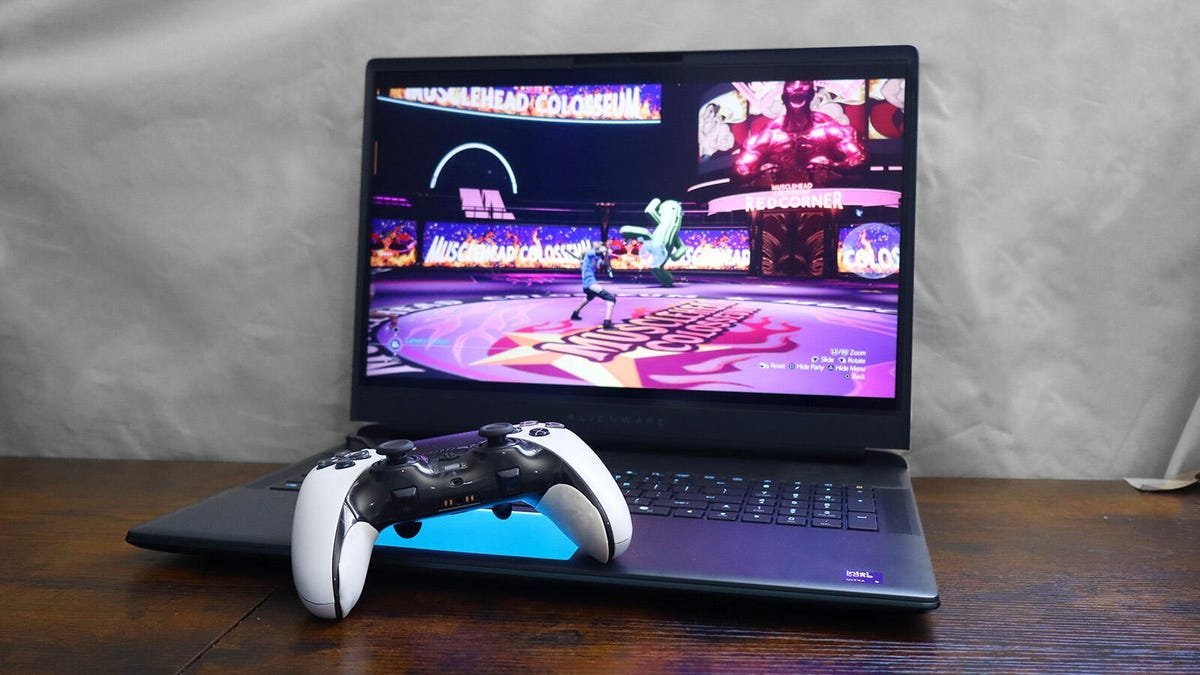 Image: Alienware 18 Area-51, featuring its expansive 18-inch display and robust build. Credit: ZDNET.
Engineering for the Extreme
At its core, the Alienware 18 houses an Intel Core Ultra 9 275Hx processor and NVIDIA’s GeForce RTX 5090 GPU, paired with 64GB of RAM—a spec sheet that screams desktop replacement. Benchmark tests reveal its prowess: Geekbench 6 scores of 19,245 and PCMark 10 results of 9,274 place it neck-and-neck with competitors like the MSI Raider 18 HX. But raw numbers only tell half the story. In real-world use, it chews through AAA games at max settings and handles intensive creative tasks like 4K video editing and 3D rendering without breaking stride. The 18-inch WQXGA display (2,560 x 1,600) lacks 4K resolution but compensates with a blistering 300Hz refresh rate and 3ms response time, ensuring buttery-smooth visuals for both gaming and precision design work.
A standout feature is the Cherry MX mechanical keyboard—a rarity in laptops—offering tactile, clicky keypresses that delight during extended sessions. Stealth Mode (activated via F7) transforms RGB lighting into subtle white backlighting, making it office-friendly. As ZDNET’s review notes:
"I fell in love with it the moment I began typing... responsive, comfortable, and perfect for coders or writers who crave feedback."
The Cooling Revolution
Where the Alienware 18 truly innovates is thermal management. Gaming laptops often throttle under load, but Dell’s Cryo-Chamber—a visible, Gorilla Glass-covered compartment at the base—draws air across critical components while elevating the chassis for optimal airflow. Coupled with four targeted fans, seven copper heat pipes, and gallium-silicon encapsulation on the CPU, it’s an engineering marvel. During stress tests, the laptop remained merely warm to the touch, even running demanding titles like Monster Hunter Wilds. This isn’t just about comfort; it’s about sustained performance where others falter.
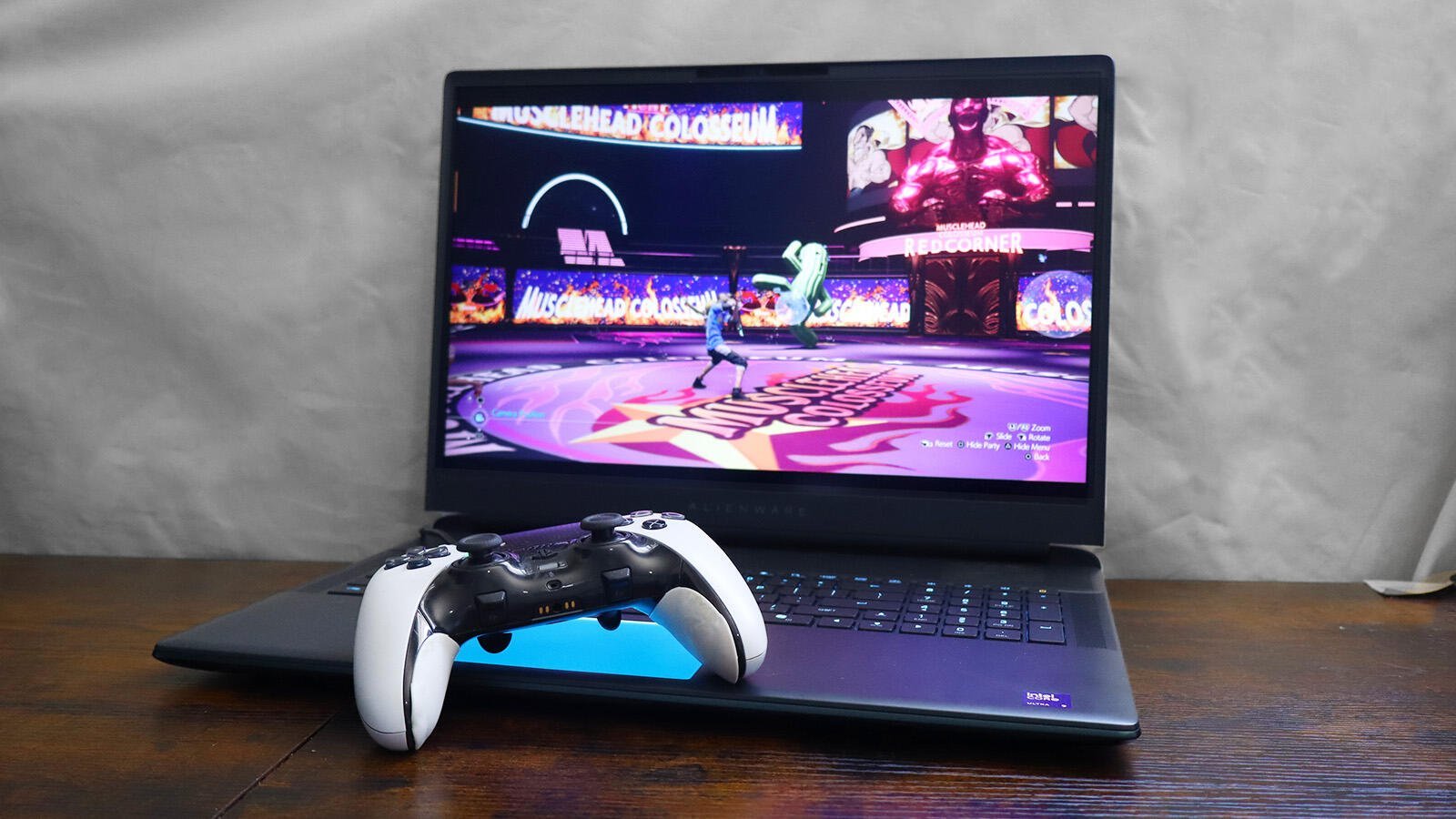 Image: Close-up of the Cyro-Chamber cooling system, showcasing internal fans and heat dissipation. Credit: ZDNET.
The Weight of Power
Yet, such innovation comes with literal baggage. At 9.56 pounds for the laptop alone (plus a 2.2-pound 360W adapter), the Alienware 18 is a beast to transport. Battery life is equally taxing—just two hours in efficiency mode—tethering users to outlets. These limitations highlight a critical question: Is this a true laptop or a portable desktop? For digital nomads, lighter alternatives like the 5.67-pound Lenovo Legion Pro 7i or the 4K-equipped MSI Raider 18 HX may be wiser. But for stationary power users, the Alienware’s heft is a fair trade for unyielding capability.
The Verdict: Who Wins?
This isn’t just a gadget for gamers. Creative professionals in animation, software development, or data science will find a reliable powerhouse that eliminates desktop dependencies. As thermal tech like the Cyro-Chamber trickles down, it signals a shift toward cooler, quieter high-performance laptops. But with great power comes great weight—literally. In the end, the Alienware 18 Area-51 proves that desktops aren’t obsolete, but for those willing to invest, the era of the untethered workstation is here.
Source: Based on testing and analysis by Cesar Cadenas for ZDNET. Original article: Should you replace your desktop with a laptop setup?
Comments
Please log in or register to join the discussion