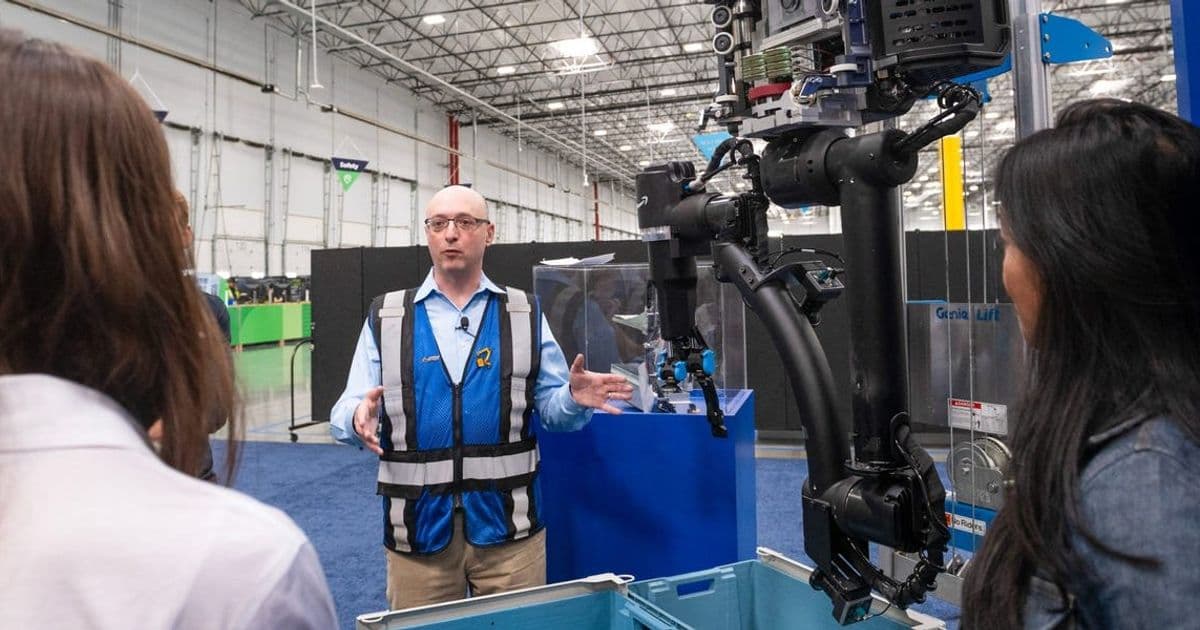
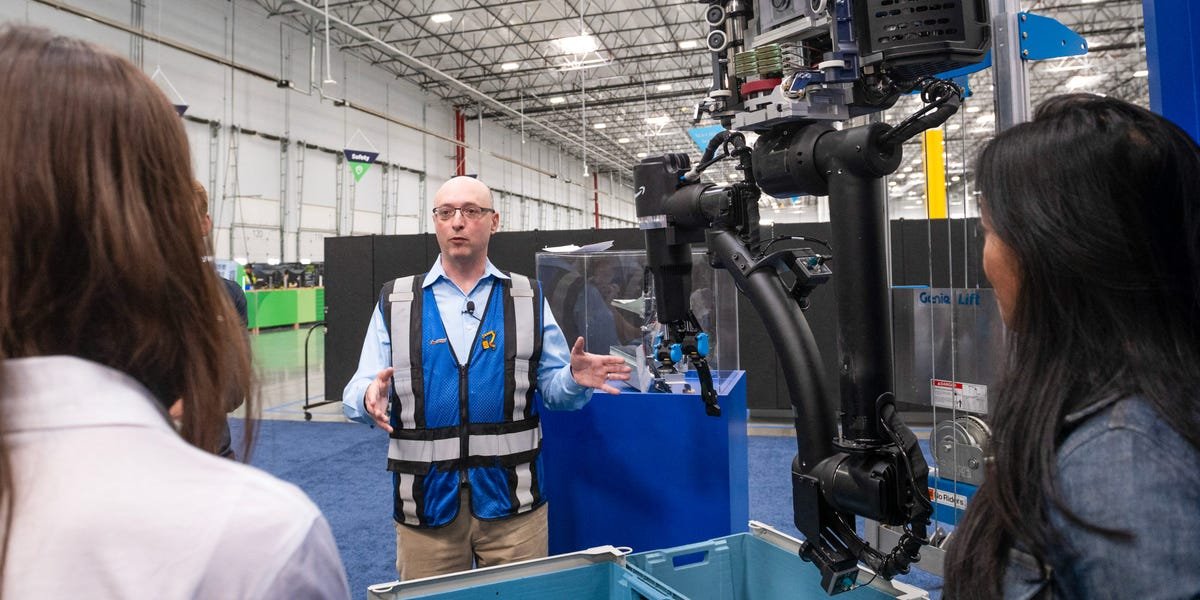
Amazon has shut down Blue Jay, a multi-armed robotic system launched in October 2025 for same-day delivery warehouses, to focus on small modular warehouses instead.
Amazon has halted development of Blue Jay, a multi-armed robotic system designed for same-day delivery warehouses, just months after its October 2025 launch. The decision reflects a strategic pivot toward smaller, modular warehouse facilities rather than complex robotic automation.
The Blue Jay project represented Amazon's ambitious attempt to revolutionize warehouse operations with robotic arms capable of handling multiple tasks simultaneously. However, sources indicate the system faced significant challenges including high implementation costs and operational complexities that ultimately proved unsustainable.
This shift in strategy comes as Amazon continues to invest heavily in its logistics infrastructure, though with a different approach. The company is now prioritizing the development of small modular warehouses that can be deployed more quickly and cost-effectively across urban areas. These facilities are designed to support same-day delivery operations without the technological overhead of advanced robotics.
The decision to abandon Blue Jay follows a broader pattern of Amazon reassessing its technology investments. The company has been under pressure to optimize its capital expenditures, particularly as it plans to spend $200 billion on capital expenditures in 2026. By focusing on modular warehouse solutions, Amazon aims to achieve faster deployment times and greater flexibility in its delivery network.
Industry analysts suggest that while robotic automation remains a long-term goal for many retailers, the practical challenges of implementation often outweigh the theoretical benefits. Amazon's experience with Blue Jay appears to validate this assessment, as the company found that simpler, more scalable solutions better aligned with its operational needs.
The move also reflects changing priorities in the e-commerce sector, where speed and reliability often trump technological sophistication. Modular warehouses can be established in existing retail spaces or repurposed buildings, allowing Amazon to expand its same-day delivery capabilities without the extensive construction and integration required for robotic systems.
For Amazon employees and warehouse workers, the shift away from complex robotics may signal a continued emphasis on human labor in the near term. While automation remains a key strategic priority, the company appears to be taking a more measured approach to its implementation.
This strategic pivot demonstrates Amazon's willingness to abandon ambitious projects when they no longer align with business objectives. The Blue Jay system, despite its innovative potential, ultimately couldn't justify its costs and complexity in Amazon's evolving logistics strategy.
The decision to focus on modular warehouses rather than robotic automation represents a pragmatic approach to scaling same-day delivery operations. By choosing solutions that can be deployed more rapidly and at lower cost, Amazon aims to maintain its competitive edge in the increasingly crowded e-commerce market.
As Amazon continues to refine its logistics strategy, the lessons learned from the Blue Jay project will likely inform future technology investments. The company's ability to quickly pivot away from unsuccessful initiatives demonstrates the agility that has characterized its growth over the past two decades.
The broader implications for the robotics industry remain to be seen, as other companies may reassess their own automation strategies in light of Amazon's experience. However, the trend toward modular, scalable solutions in logistics appears to be gaining momentum across the sector.
Comments
Please log in or register to join the discussion