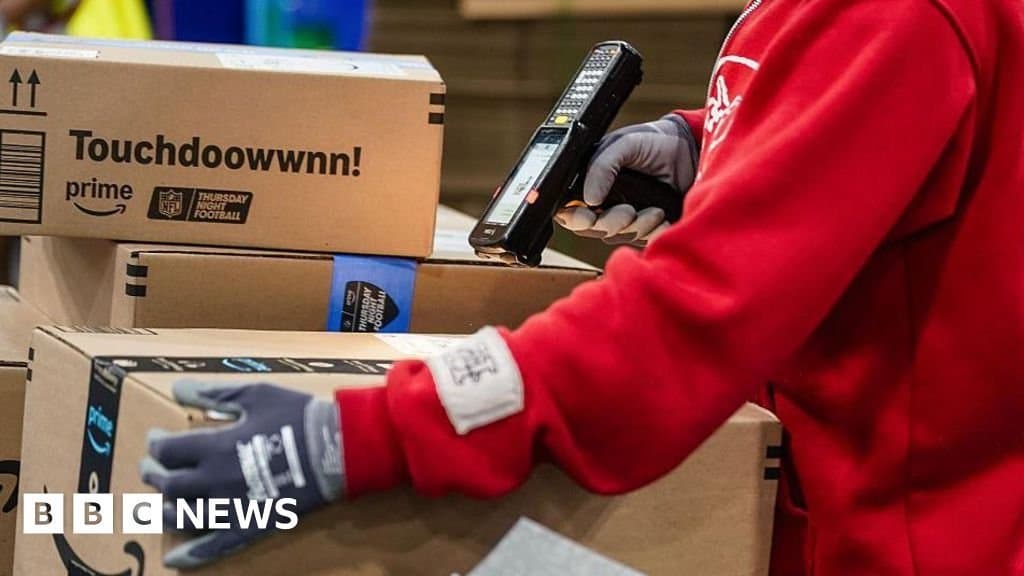
Amazon's security chief reveals the tech giant blocked over 1,800 fraudulent job applications from North Korean agents attempting to infiltrate remote IT roles. The operatives used stolen identities to funnel wages back to Pyongyang's weapons programs, highlighting a growing cybersecurity threat to the tech industry.
Amazon Thwarts North Korean Operatives Targeting Remote Tech Jobs
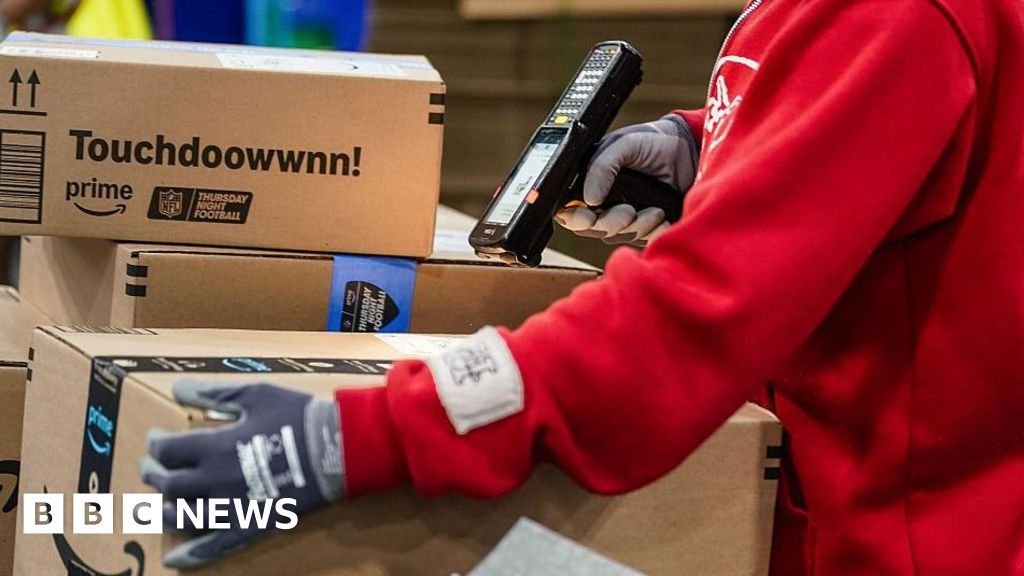
In a stark revelation, Amazon Chief Security Officer Stephen Schmidt disclosed that the tech giant has blocked more than 1,800 job applications from suspected North Korean operatives over the past year. The agents, using stolen or forged identities, targeted remote IT positions to funnel wages back to fund Pyongyang's weapons programs.
"Their objective is typically straightforward: get hired, get paid, and funnel wages back to fund the regime's weapons programs," Schmidt stated in a LinkedIn post. He warned that this type of fraud is happening "at scale across the industry," particularly in the U.S., with Amazon observing a nearly one-third increase in such applications year-over-year.
The Modus Operandi: Laptop Farms and Hijacked Identities
The operatives typically collaborate with individuals managing "laptop farms"—U.S.-based computers controlled remotely from outside the country. This setup allows them to bypass geographic restrictions and appear as domestic job seekers. Schmidt noted that tactics have grown increasingly sophisticated, with bad actors hijacking dormant LinkedIn accounts using leaked credentials to build false credibility. They often target genuine software engineers' profiles to mimic legitimate candidates.
AI and Human Vigilance at the Frontlines
Amazon employed a combination of artificial intelligence tools and human verification to detect fraudulent applications. The AI systems flagged anomalies, which were then reviewed by security personnel. Indicators of fraud included incorrectly formatted phone numbers, mismatched education histories, and inconsistencies in employment records.
A Broader Industry Threat
The U.S. Department of Justice (DOJ) has been actively pursuing similar cases. In June, federal authorities uncovered 29 illegal "laptop farms" operated by North Korean IT workers across the U.S. These farms relied on stolen American identities to secure remote jobs. The DOJ also indicted several U.S. brokers who facilitated the scheme. In July, an Arizona woman was sentenced to over eight years in prison for running a laptop farm that helped North Korean operatives infiltrate more than 300 U.S. companies, generating over $17 million in illicit gains.
Schmidt urged companies to report suspicious job applications to authorities and emphasized the need for heightened scrutiny in remote hiring practices. As remote work becomes entrenched in the tech sector, the incident underscores the critical role of cybersecurity measures in protecting not just data, but the integrity of the workforce itself.
Source: BBC News
Comments
Please log in or register to join the discussion