Amazon's purchase of Bee AI signals a bold bet on AI-first hardware, with its $49 wearable wristband aiming to transcribe and analyze everyday conversations. This move challenges rivals like Meta and Google in the quest to make AI an invisible, always-on assistant—while raising critical privacy questions for developers and users alike.
In a landscape crowded with AI promises, Amazon is doubling down on hardware with its acquisition of Bee AI—a startup whose unobtrusive wristband could finally make ambient computing a practical reality. Announced via LinkedIn by Bee CEO Maria de Lourdes, the deal (terms undisclosed) thrusts Amazon into the intensifying battle for AI wearable dominance, pitting it against Meta’s smart glasses and Google’s Gemini-powered XR prototypes. At its core, Bee’s device isn’t just another gadget; it’s an attempt to weave AI seamlessly into the fabric of daily life, capturing real-world interactions to fuel a new era of personal analytics.
The Bee Wearable: Your AI-Powered Memory
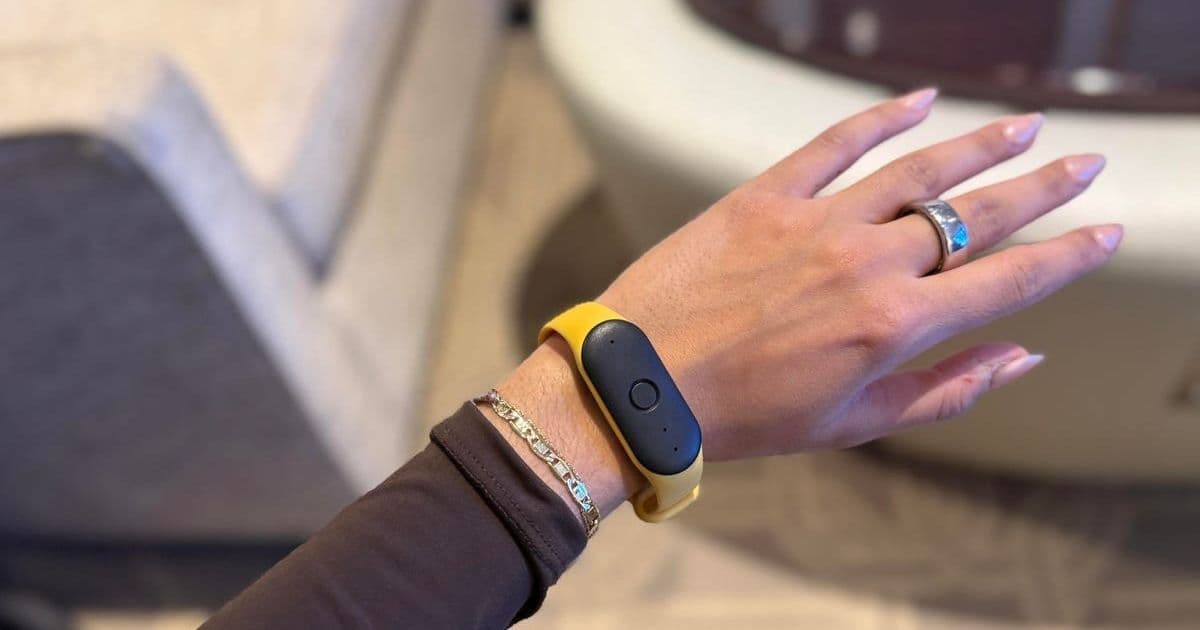
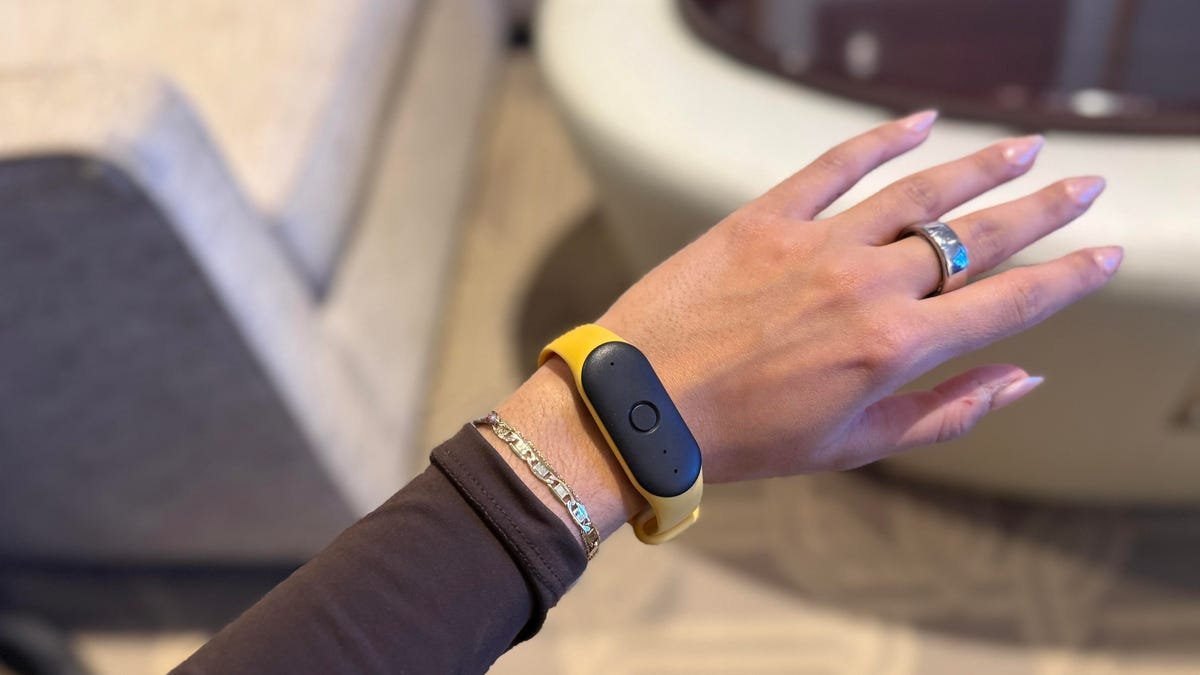
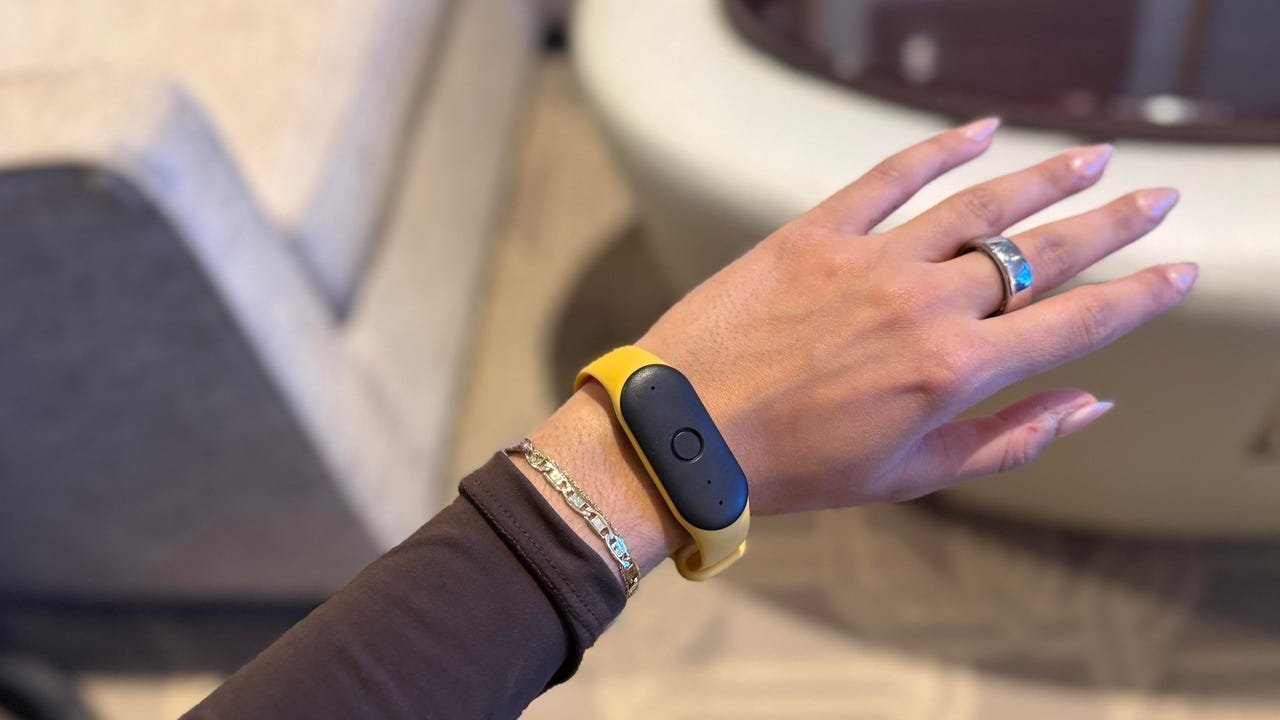 Caption: The Bee AI wristband, as reviewed at CES 2025. (Source: Sabrina Ortiz/ZDNET)
Priced at $49, the Bee wristband packs microphones and on-device AI to passively record and transcribe conversations—only pausing when users manually toggle its button. During CES 2025 demos, the device showcased its ability to generate searchable transcripts, summarize discussions, and offer actionable insights (e.g., "What groceries did my roommate request?"). With a seven-day battery life, it sidesteps the frequent recharging woes plaguing rivals. For developers, the implications are profound: imagine APIs that turn voice data into productivity tools, like automated meeting minutes or real-time coaching on communication skills. But as co-founder Ethan Sutin emphasized, privacy is paramount—no human reviews, no data sales, and no model training. Yet, in Amazon’s hands, integration with Alexa and Nova foundation models could amplify its capabilities—and its risks.
Why AI-First Hardware Is Having a Moment
Bee’s approach solves a critical flaw in earlier attempts like the Rabbit R1 or Humane AI pin: it avoids forcing users to carry yet another device. Instead, it leverages a familiar form factor—echoing Meta’s Oakley collab and Google’s Android XR glasses—to normalize always-on AI. This trend isn’t just about convenience; it’s a fundamental shift toward ambient interfaces that anticipate needs without explicit commands. For the tech industry, the stakes are high. As one insider noted, "Wearables that capture continuous context could unlock hyper-personalized AI, but they also demand unprecedented trust in data stewardship."
The Privacy Paradox: Sutin’s assurances aside, storing intimate conversations on corporate servers invites scrutiny. Amazon must prove its encryption and on-device processing can prevent leaks—especially with regulators circling AI ethics.
Amazon’s Endgame and the Developer Opportunity
With this acquisition, Amazon isn’t just buying hardware; it’s investing in a data pipeline. Nova models could transform Bee’s raw audio into predictive analytics (e.g., stress detection from vocal tones), opening doors for health or enterprise apps. Yet, success hinges on overcoming user skepticism. Developers should watch for SDK releases—integrating Bee-like features could revolutionize apps in customer service or education, but ethical design will be non-negotiable. As OpenAI and others race to embed AI in everyday objects, Amazon’s scale might finally make wearables more than a niche curiosity.
In the rush to dominate ambient AI, Bee represents a test case for balancing innovation with integrity. If Amazon navigates this well, the wristband could evolve from a transcription tool to an indispensable life-logging companion—reshaping not just what wearables do, but how we remember our own lives.
Source: Sabrina Ortiz, ZDNET
Comments
Please log in or register to join the discussion