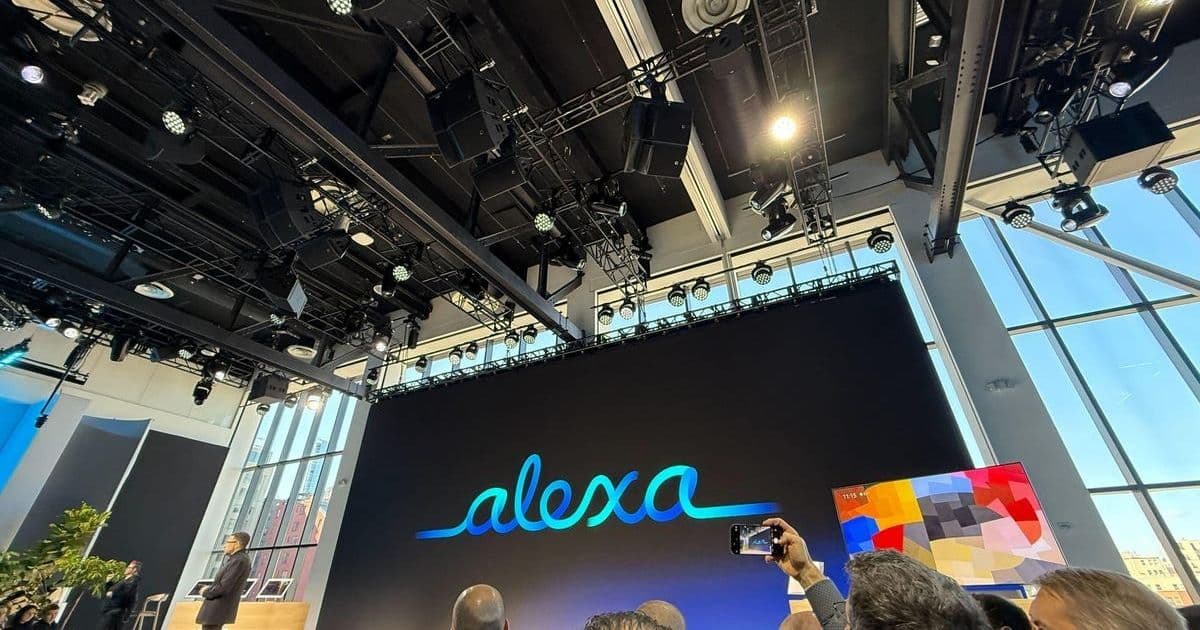
Amazon's 2025 Devices and Services event marked a strategic shift with the debut of Vega OS, a Linux-based platform replacing Fire OS on Fire TVs, alongside significant hardware upgrades to Blink and Ring cameras featuring advanced AI processing and new Alexa+ capabilities for contextual interactions. These announcements signal Amazon's intensified focus on proprietary platforms, edge computing, and deeply integrated AI within its smart home ecosystem, presenting new opportunities and challenges
Amazon's annual Devices and Services event in New York City served as a pivotal showcase for the tech giant's evolving hardware and platform strategy, headlined by a major operating system transition and infused with AI advancements across its product lines.
The Vega OS Shift: Beyond Android
The most consequential technical announcement was the confirmation of Vega OS, a new Linux-based operating system designed to replace the longstanding Android-derived Fire OS on Fire TV devices. This move, long rumored and codenamed internally, represents Amazon's ambition to exert greater control over its platform's architecture and capabilities.
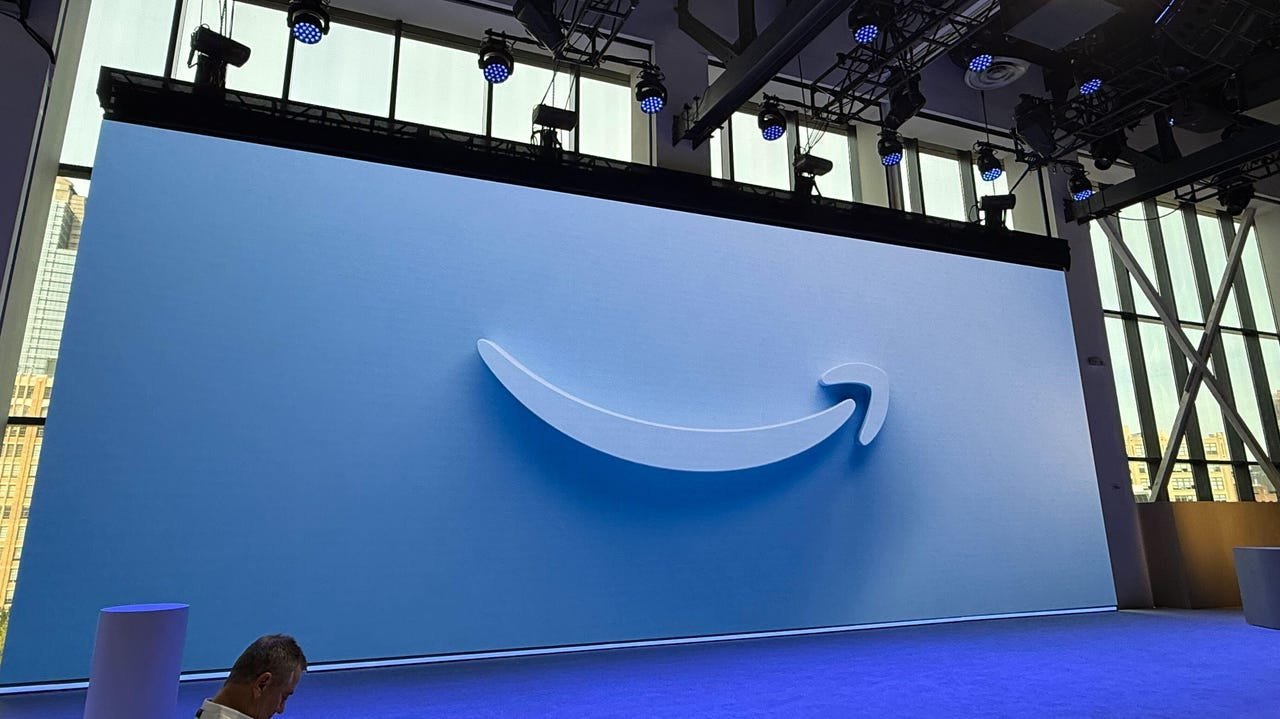 Amazon's Panos Panay set the stage for deeper AI integration at the NYC event. (Credit: Nina Raemont/ZDNET)
- Technical Implications: Migrating away from Android allows Amazon to streamline development, optimize performance specifically for its hardware, and potentially reduce reliance on Google's ecosystem. However, it introduces significant fragmentation. Developers must now potentially support two distinct Fire TV platforms during the transition and adapt apps to a new Linux-based environment. Amazon faces the challenge of ensuring robust developer tools and incentives to maintain app availability.
- Future Scope: While initially targeting Fire TVs, Vega OS's architecture suggests potential expansion to Echo devices and tablets, aiming for a unified, scalable OS across Amazon's device portfolio.
AI Ascendant: From Cameras to Conversations
AI wasn't just a feature; it was the bedrock of numerous product launches:
Blink Cameras Get Smarter: The new Blink Arc ($89) utilizes dual cameras and on-device processing to stitch together a seamless 189-degree field of view. Accompanying it are the Mini 2K+ ($49) and Outdoor 2K+ ($99), featuring upgraded chipsets enabling:
- Enhanced noise reduction
- 2K resolution recording
- Improved power efficiency for battery-operated models
Ring's Retinal Vision & AI Upscaling: Ring introduced Retinal Vision, a sensor technology combined with Retinal Tuning – an AI-powered upscaling system – across a new lineup of nine security cameras (including 2K and 4K Pro models). This focuses on delivering sharper, clearer images through computational photography directly on the device.
Alexa+ Greetings (December Launch): Building on the Familiar Faces feature, Alexa+ Greetings enables the AI assistant to autonomously interact with visitors detected by Ring cameras. Using generative AI, it can conduct basic conversations (e.g., "Can I take a message?") without user intervention, blurring the lines between assistant and autonomous agent.
Search Party: Leveraging the Ring network, this feature allows users to send alerts to nearby Ring camera owners if a pet is lost. Participants can review footage for matches, creating a crowdsourced, location-based search system powered by distributed hardware.
Analysis: Strategic Shifts and Developer Impact
Amazon's announcements signal clear strategic directions:
- Platform Independence: Vega OS is a bold step towards reducing external dependencies, mirroring moves by other giants. Success hinges on developer adoption.
- Edge AI Investment: The emphasis on new camera chipsets and on-device processing (Retinal Tuning, local AI for Alexa Greetings) highlights Amazon's focus on reducing latency, enhancing privacy, and improving reliability by handling more computation locally rather than solely in the cloud.
- Contextual AI Integration: Alexa+ Greetings and Search Party demonstrate a move beyond simple commands towards AI systems that understand context (who is at the door, a lost pet event) and proactively participate in real-world scenarios.
- Hardware-Software Symbiosis: New hardware (Blink Arc's dual sensors, Ring's upgraded processors) is explicitly designed to unlock new software capabilities powered by AI, creating a tighter integration loop.
The Road Ahead: Integration and Challenges
While the event delivered tangible new hardware and a major platform shift, the true test lies in execution. Can Amazon:
- Seamlessly transition developers and users to Vega OS without fracturing the Fire TV app ecosystem?
- Deliver the promised AI features like Alexa+ Greetings with the reliability and nuance users expect?
- Convince consumers of the value proposition in increasingly crowded smart home and AI assistant markets?
The 2025 Devices event wasn't just about new gadgets; it was a declaration of Amazon's intent to build a more independent, AI-native, and integrated ecosystem. The success of Vega OS and the sophistication of its on-device AI will be critical metrics watched closely by the industry in the coming months.
Source: ZDNET Live Coverage of Amazon Devices and Services Event, September 30, 2025.
Comments
Please log in or register to join the discussion