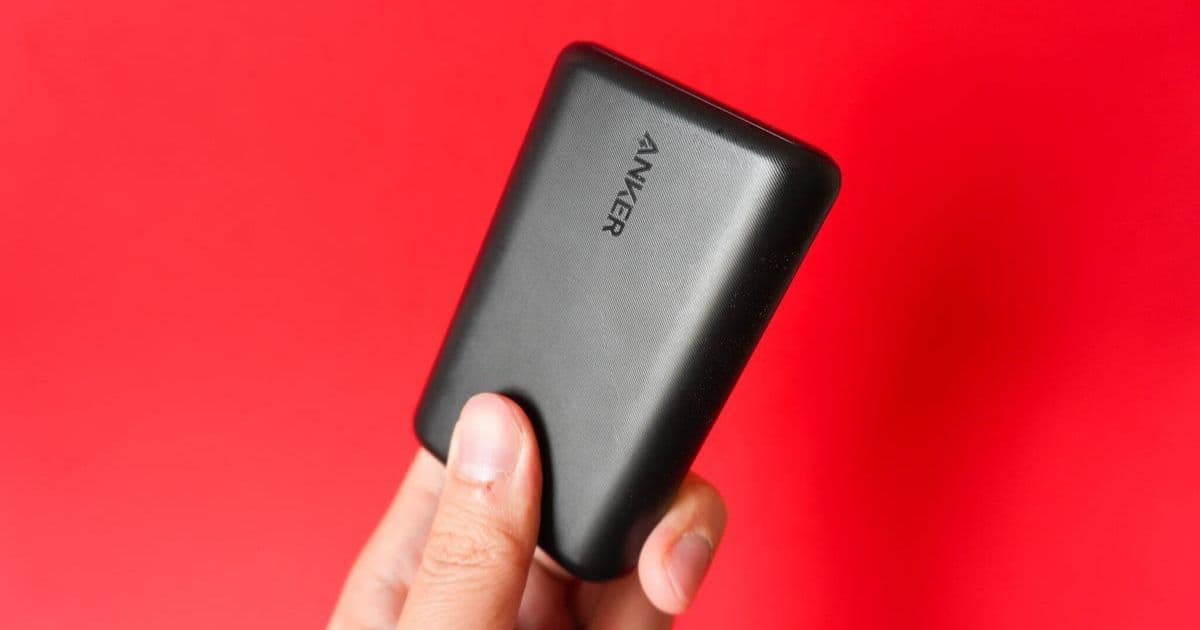
New CPSC data reveals escalating risks in Anker's recalled power banks, with 33 fire incidents now reported—including injuries and property damage. Tech professionals must immediately check devices as airlines enact new restrictions and disposal protocols intensify.
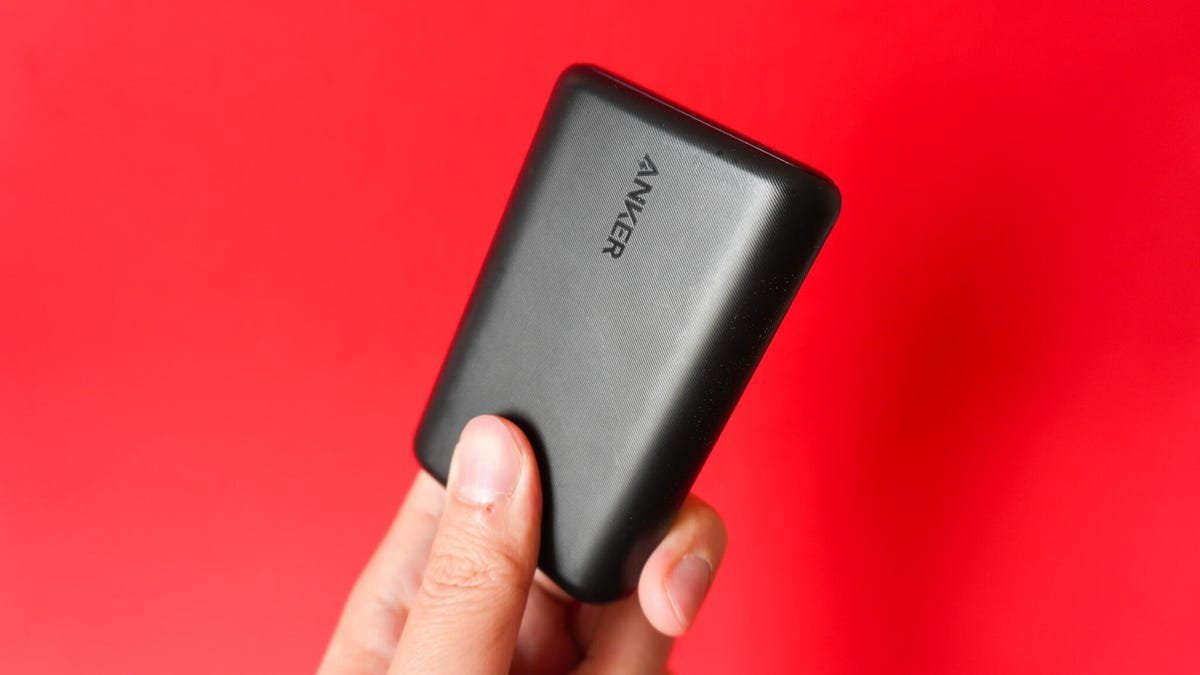
Tech giant Anker faces mounting safety concerns as U.S. regulators disclose alarming new data about its recalled power banks. The Consumer Product Safety Commission (CPSC) confirmed 33 separate fire and explosion incidents across five models—nearly doubling previous reports—with four burn injuries and over $60,700 in property damage. This escalation underscores critical lithium-ion battery risks that developers and hardware engineers cannot ignore.
The Expanding Recall Timeline
- June 2025: Initial recall of 1 million+ PowerCore 10000 (A1263) units after 19 fires
- Late June: Five additional models recalled (A1257, A1647, A1652, A1681, A1689) affecting 481,000 units
- September 18: CPSC update reveals 14 new incidents, confirming design flaw dangers
Technical Failure Analysis
Third-party forensic examination by Lumafield identified a critical design flaw: insufficient separation between battery terminals allows short-circuiting during physical impact.
"When subjected to everyday drops or compression," their CT scan analysis notes, "positive and negative contacts bridge, creating thermal runaway conditions even with non-defective cells."
This explains why incidents occurred years after purchase—a crucial insight for hardware designers evaluating enclosure integrity.
Industry-Wide Implications
- Airline Restrictions: Singapore Airlines bans in-flight charging; Southwest mandates visible placement
- Disposal Protocols: CPSC mandates Household Hazardous Waste disposal—not recycling bins—due to persistent combustion risk
- Supply Chain Scrutiny: Anker acknowledges single-vendor battery sourcing, raising questions about audit practices
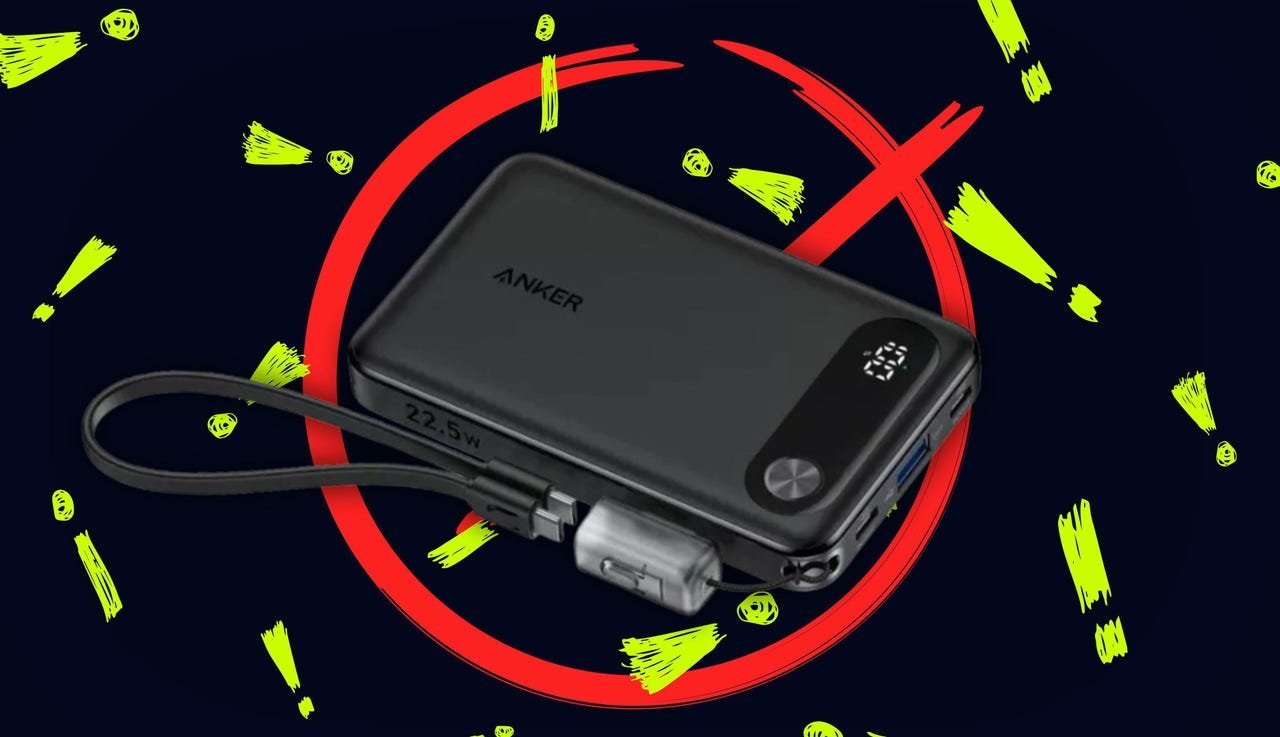 Elyse Betters Picaro / ZDNET
Action Guide for Tech Professionals
- Verify Models: Check June recall list and expanded September models
- Containment: Store recalled units in fireproof metal containers until disposal
- Safe Disposal: Locate HHW facilities via EPA Resource Locator
- Replacement: Anker offers gift cards or updated models
"While statistically rare," warns senior ZDNET contributor Adrian Kingsley-Hughes, "lithium fires escalate violently. I've witnessed two incidents firsthand—toxic fumes spread faster than most expect." Developers building battery-dependent devices should note these failure modes in safety testing protocols.
The recalls spotlight persistent challenges in consumer electronics miniaturization. As power density increases, so do the consequences of compromised physical design—a harsh reminder that cutting-edge tech demands equally advanced safety engineering.
Comments
Please log in or register to join the discussion