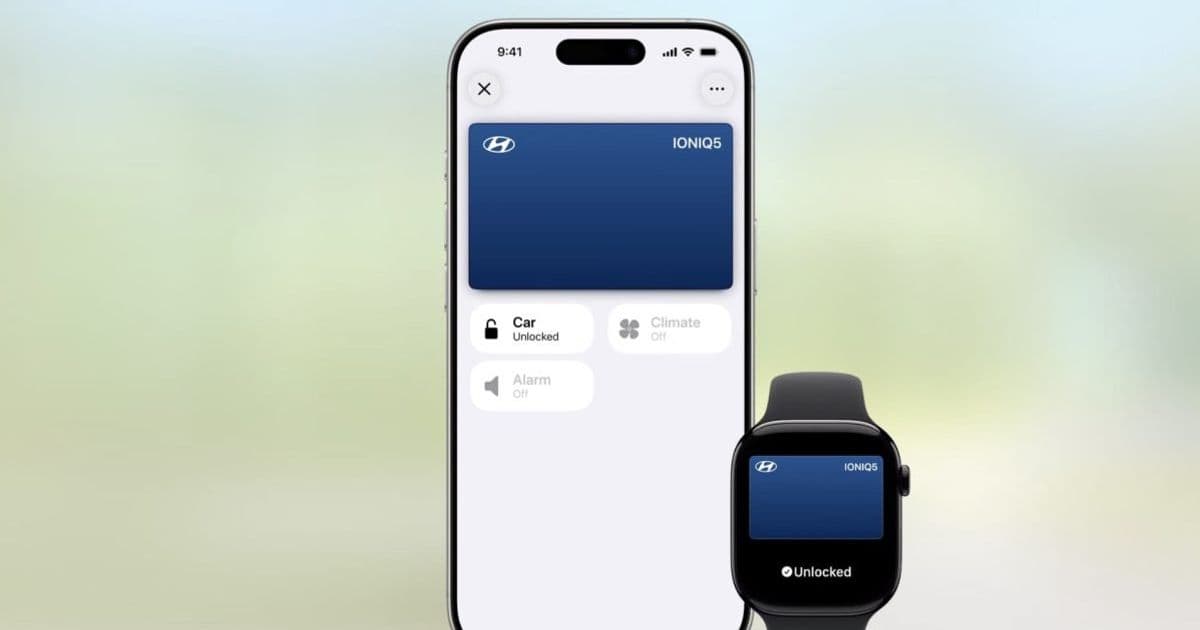
Apple joins BMW, GM, Hyundai and other automakers in a week-long interoperability test for the CCC Digital Key standard, signaling industry-wide readiness for phone-as-key technology.
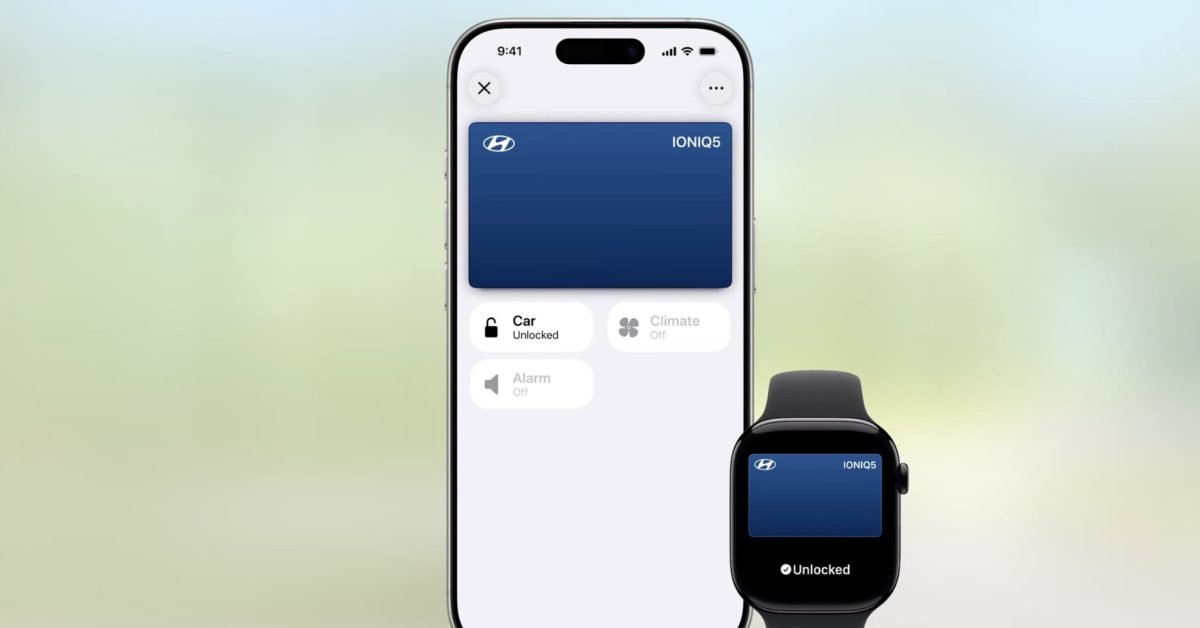
Apple is participating in a critical industry-wide evaluation of digital car key technology this week alongside major automakers including BMW, General Motors, Hyundai, Mercedes-Benz, Rivian, and Volkswagen. The Plugfest event, organized by the Car Connectivity Consortium (CCC), focuses on real-world testing of the Digital Key specification that underpins Apple's Car Key feature in iOS and watchOS.
The CCC Digital Key standard (versions 3.x and 4.x) enables secure vehicle access using smartphones and wearables. This year's testing emphasizes interoperability between devices from different manufacturers, security validation, and reliability of passive entry systems—where vehicles automatically unlock when detecting an approved device nearby without user interaction. According to CCC representatives, 115 vehicles and devices achieved certification in 2025, with 15 major automakers and smart device manufacturers participating in current evaluations.
For mobile developers, this standardization push resolves critical fragmentation challenges. The CCC specification provides a unified framework for implementing digital key functionality across both iOS (Apple Car Key documentation) and Android platforms. This eliminates the need for automaker-specific SDKs and reduces certification hurdles. Developers can now implement vehicle access features using standardized Bluetooth LE and NFC protocols documented in the CCC technical specifications, knowing their solutions will work across participating brands.
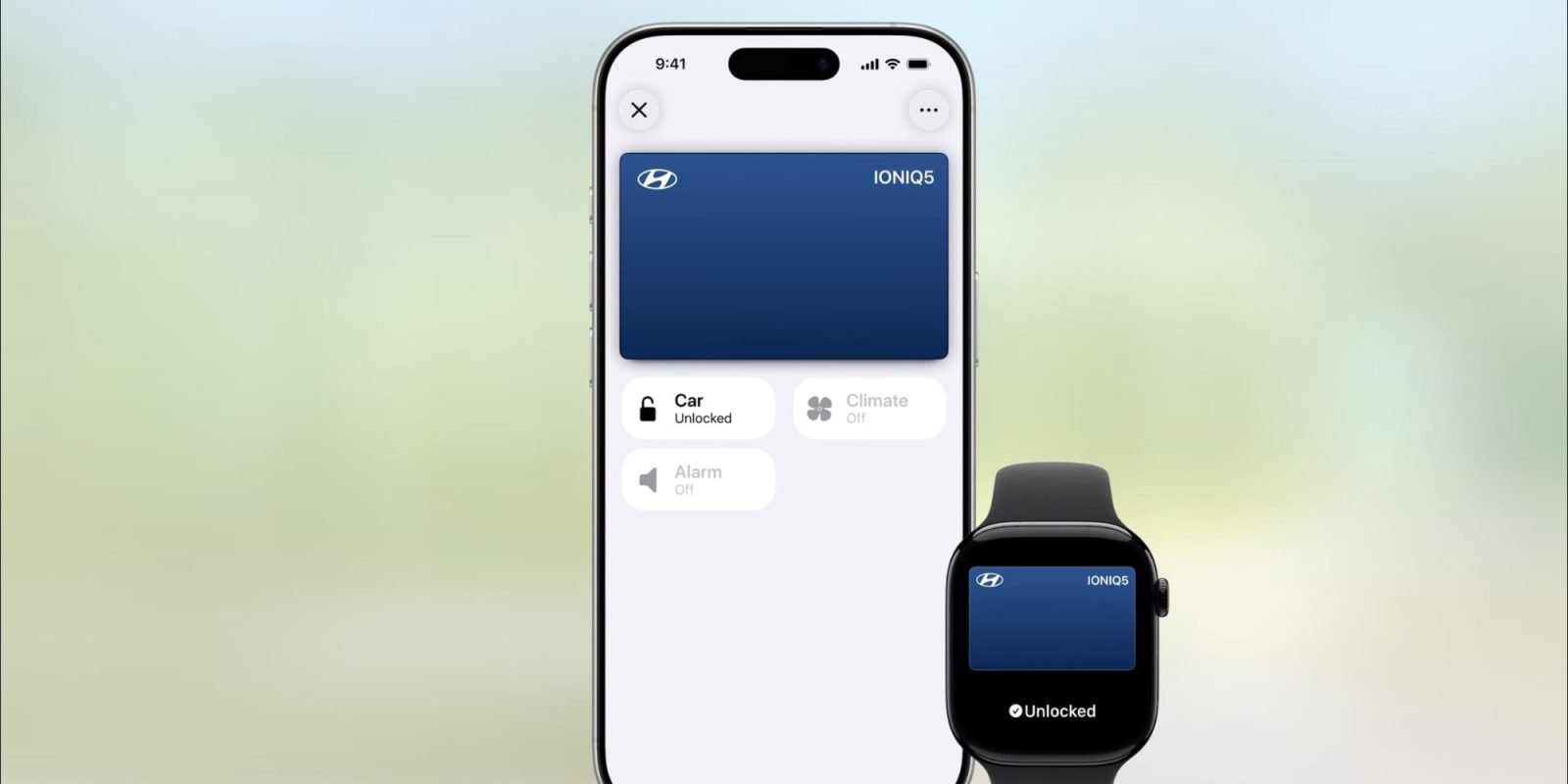
The Plugfest's focus on passive entry performance has particular significance for user experience design. When implemented via CCC standards, the feature requires precise tuning of Bluetooth signal thresholds to balance battery efficiency and reliability. Too sensitive, and phones unlock cars from impractical distances; too conservative, and users must manually authenticate. Apple's tight hardware-software integration gives it an advantage here, but the Plugfest ensures Android implementations meet the same reliability standards.
Security validation remains paramount. The CCC standard uses elliptic-curve cryptography for device authentication and key exchange, with secure element storage on mobile devices. This week's tests verify implementations against relay attacks—where criminals amplify signals to trick cars into unlocking—by validating ultra-wideband (UWB) positioning in Digital Key 3.0 and newer. Automotive security researchers will scrutinize the published test results for vulnerability patterns.
With 97% of CCC members rating digital key technology as critical to their business in 2025, the specification has reached industry-critical mass. For developers, this signals reduced fragmentation in automotive integrations. Migration paths include:
- Legacy system support: Vehicles with older infotainment systems can implement Digital Key 3.x via Bluetooth LE
- UWB adoption: Newer vehicles can leverage iPhone U1 chips for centimeter-accurate positioning
- Cross-platform wallets: Standardization enables secure key sharing across iOS and Android devices
The interoperability demonstrated at Plugfest accelerates adoption timelines, with analysts projecting CCC-compliant digital keys will ship in 60% of new vehicles by 2028. Automotive developers should prioritize CCC certification for all new connected features, while mobile app developers gain a clear path to integrate vehicle controls without proprietary integrations.
Comments
Please log in or register to join the discussion