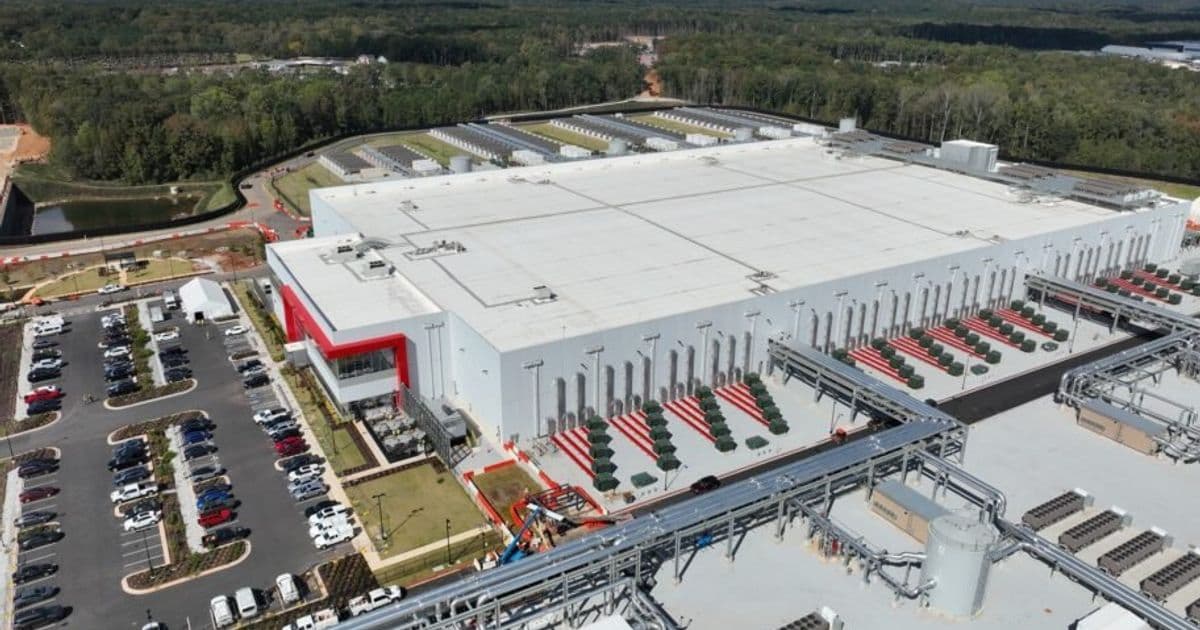
Microsoft commits to paying full power costs, rejecting tax incentives, and achieving water-positive operations as AI-driven energy demands strain local communities.
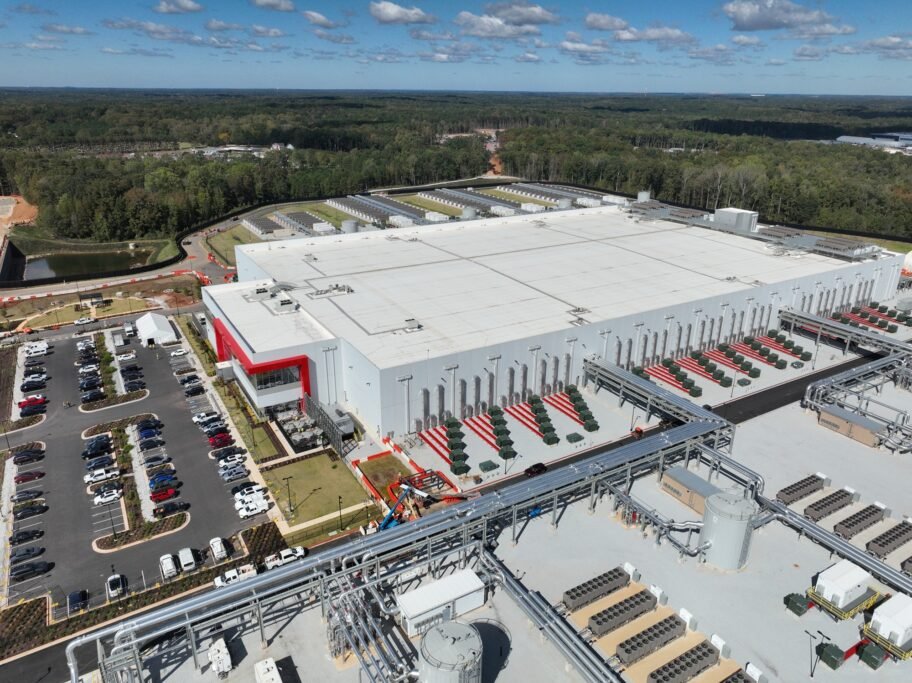
Microsoft has fundamentally restructured its approach to data center operations, pledging to cover its full power consumption costs, decline tax incentives, and replenish more water than it consumes. This policy shift responds to mounting community opposition over the resource burden of data centers and follows public pressure from former President Donald Trump demanding tech companies "pay their own way."
The company's announcement comes amid escalating tensions between technology giants and local communities over the infrastructure costs of artificial intelligence. Data centers supporting AI workloads consume significantly more power than traditional facilities—often requiring dedicated substations and water-intensive cooling systems. Recent PJM Interconnection projections forecast 4.8% average annual power growth across its 13-state US grid over the next decade, primarily driven by AI infrastructure demands.
Core Policy Changes
Microsoft's new commitments include:
- Direct Power Cost Payment: Covering the full expense of electricity consumption rather than relying on utility subsidies that ultimately impact consumer rates
- Tax Incentive Rejection: Refusing state and local tax abatements traditionally used to attract data center construction
- Water-Positive Operations: Implementing systems to replenish 120% of water consumed for cooling through reclamation and watershed projects
These measures directly address criticisms highlighted in Trump's recent statement that tech companies must "ensure Americans don't face higher bills due to data centers' power use." The policy shift follows intense local opposition to data center projects in states like Virginia and Arizona, where residents protested increased utility costs and water scarcity concerns.
Industry-Wide Implications
The move occurs against a backdrop of unprecedented AI infrastructure scaling:
- Meta recently announced plans to build "tens of gigawatts" of AI infrastructure through its new Meta Compute initiative
- SK Hynix committed $12.9B to new chip packaging plants to meet AI memory demand
- PJM Interconnection warned that AI-driven power demands threaten to max out generation capacity in its service area
Unlike competitors still pursuing tax incentives, Microsoft's strategy acknowledges the political and practical realities of AI's physical footprint. Data centers now consume an estimated 1.5-2% of US electricity, with projections nearing 7.5% by 2030 according to Goldman Sachs Research. Water usage remains equally concerning—a single data center campus can consume 1-5 million gallons daily, equivalent to a city of 50,000 people.
Implementation Challenges
While environmentally progressive, Microsoft's pledges face significant execution hurdles:
- Power Cost Allocation: Utilities traditionally spread infrastructure costs across all ratepayers. Microsoft will need to negotiate bilateral agreements with grid operators
- Water Replenishment Verification: Requires partnerships with hydrological agencies to measure and validate watershed restoration claims
- Competitive Disadvantage: Other hyperscalers continuing to accept tax incentives may gain cost advantages
The company has not disclosed cost projections for these initiatives but referenced "multi-billion dollar investments" in supporting infrastructure. Microsoft President Brad Smith stated: "This isn't charity—it's recognizing that sustainable AI growth requires paying the full price of our resource consumption."
As AI deployments accelerate, Microsoft's policy shift establishes a new benchmark for corporate responsibility in digital infrastructure. Whether competitors follow suit may depend on regulatory pressure—the FTC recently opened an inquiry into data center energy impacts, while new congressional proposals aim to tax AI compute operations.
For detailed technical implementation plans, see Microsoft's Data Center Sustainability Commitment.
Comments
Please log in or register to join the discussion