Apple's upcoming iOS 26, iPadOS 26, and macOS 26 releases will integrate OpenAI's newly launched GPT-5 model, significantly upgrading the capabilities of Apple Intelligence. This strategic partnership promises faster, more accurate AI responses across Siri, Writing Tools, and Visual Intelligence features, though questions remain about user adoption patterns. The move underscores Apple's deepening reliance on OpenAI for cutting-edge AI while developing its own ecosystem enhancements.
When Apple finally entered the AI arena with Apple Intelligence in 2024, it took a distinct path: rather than building its own foundational models from scratch, it partnered with OpenAI, integrating ChatGPT directly into its operating systems. That partnership is about to leap forward significantly. With the imminent launch of iOS 26, iPadOS 26, and macOS 26 this fall, Apple has confirmed to ZDNET that GPT-5 will become the engine powering Apple Intelligence.
This upgrade isn't merely incremental. GPT-5, released by OpenAI just this week, represents their "most capable, smartest, and fastest model to date." For Apple users, this translates to tangible improvements across existing integrations:
- Siri Queries: Users can opt to send complex Siri requests directly to GPT-5.
- Writing Tools: Enhanced text and image composition assistance within emails, messages, and documents.
- Visual Intelligence: More accurate insights into images and the user's surroundings using GPT-5's multimodal capabilities.
OpenAI touts GPT-5's key advancements:
- Reduced Hallucinations: "GPT-5's responses are 45% less likely to contain a factual error than GPT-4o with web search enabled on anonymized prompts," the company stated. This directly addresses a major pain point for users relying on AI for accurate information.
- Unified Architecture: GPT-5 acts as a "real router," intelligently combining a highly efficient model for common tasks with a deeper reasoning model for complex problems. It automatically selects the optimal path based on the prompt, maximizing both response quality and speed.
- Enhanced Collaboration: Positioned as the "most capable writing collaborator" OpenAI has released, GPT-5 should significantly improve the output quality when users leverage Apple's Writing Tools.
The integration promises a theoretically superior Apple Intelligence experience. However, ZDNET Senior Editor Sabrina Ortiz injects a note of skepticism regarding user behavior: "Do I think it will make a big change? No, only because I don't know many Apple users who rely on ChatGPT integrations very often." The seamless upgrade might be most appreciated by those who already actively use the existing ChatGPT hooks within Apple's ecosystem.
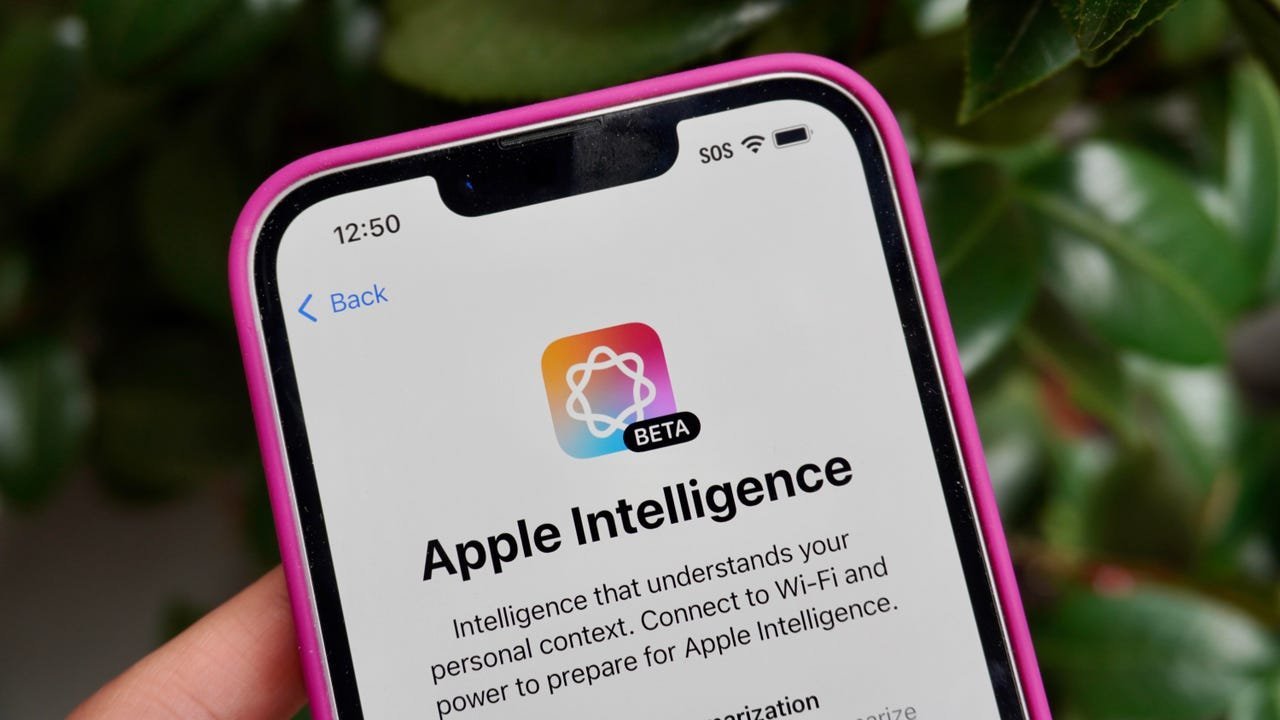
Caption: Apple Intelligence's integration evolves with GPT-5 (Credit: Sabrina Ortiz/ZDNET)
While the GPT-5 upgrade is significant, Ortiz highlights that other announced iOS 26 AI features might have a broader daily impact for users, such as:
- Expanded Visual Intelligence directly on the iPhone screen.
- Real-time translation within FaceTime and Messages.
- AutoMix functionality in Apple Music.
For developers and tech leaders, this deeper Apple-OpenAI integration signals Apple's continued commitment to leveraging external AI expertise while refining its own on-device and cloud-powered features. It raises questions about the long-term balance between partnership and proprietary development in Apple's AI strategy. Users eager to experience GPT-5 immediately can access it now via the ChatGPT website or app, but its native integration into the fabric of Apple's operating systems this fall represents a major step in making advanced AI a ubiquitous, background utility for millions.
The success of this upgrade won't just be measured by benchmark scores, but by whether it subtly shifts how – and how often – users interact with AI features woven into their daily Apple device routines, moving beyond novelty towards indispensable utility.
Comments
Please log in or register to join the discussion