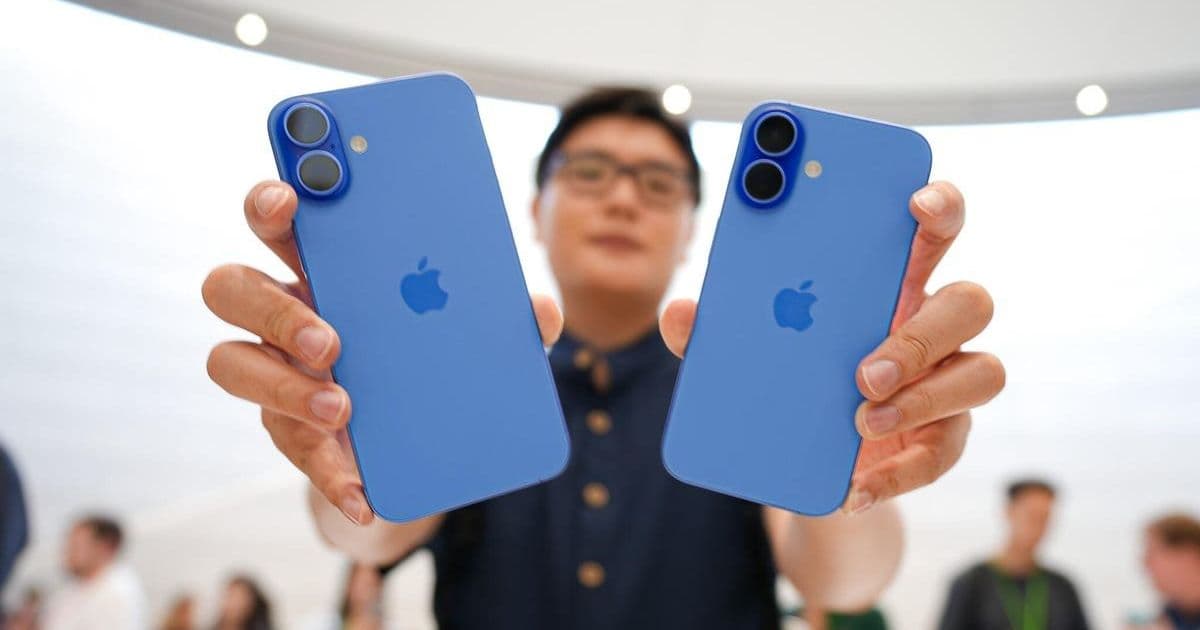
Apple's most radical iPhone overhaul in five years introduces a controversial ultra-thin iPhone 17 Air while democratizing ProMotion displays. This high-stakes product strategy risks internal cannibalization but could redefine premium smartphone expectations across the industry.
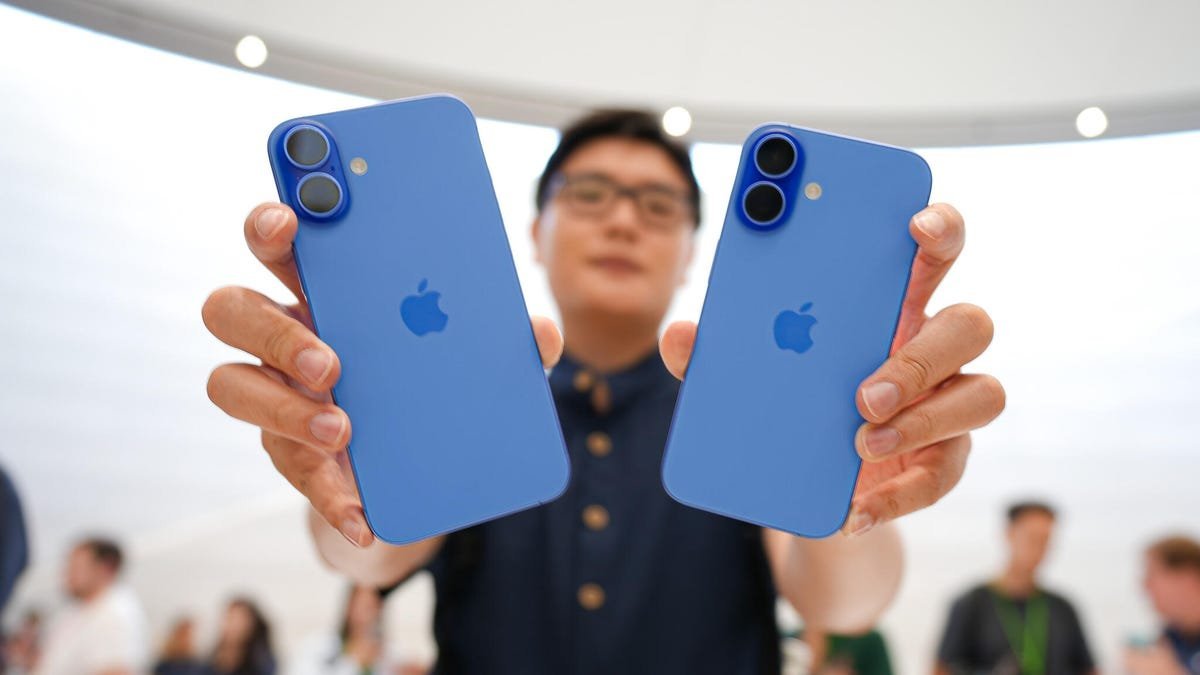
As Apple prepares to unveil its iPhone 17 series at today's "Awe-dropping" event, the tech giant is making its boldest product portfolio gamble since discontinuing the iPhone Mini in 2020. According to ZDNET's Kerry Wan, the new lineup—comprising iPhone 17, iPhone 17 Air, iPhone 17 Pro, and iPhone 17 Pro Max—signals Apple's aggressive bid to capture both the lightweight-device market and mainstream premium segment simultaneously.
The Air Compromise: Thinness at What Cost?
The headline disruption comes with the iPhone 17 Air, replacing the Plus model with an ultra-slim profile rumored to measure under 7mm thick. While addressing consumer fatigue with increasingly heavy smartphones, this redesign reportedly sacrifices battery capacity and camera capabilities. Priced at $1,099—a $200 premium over the outgoing Plus model—the Air enters dangerous territory. As Wan notes:
"I tested Samsung's Galaxy S25 Edge earlier this year... the sacrifices made to slim down the phone, including a smaller battery and fewer cameras, made the price difficult to justify."
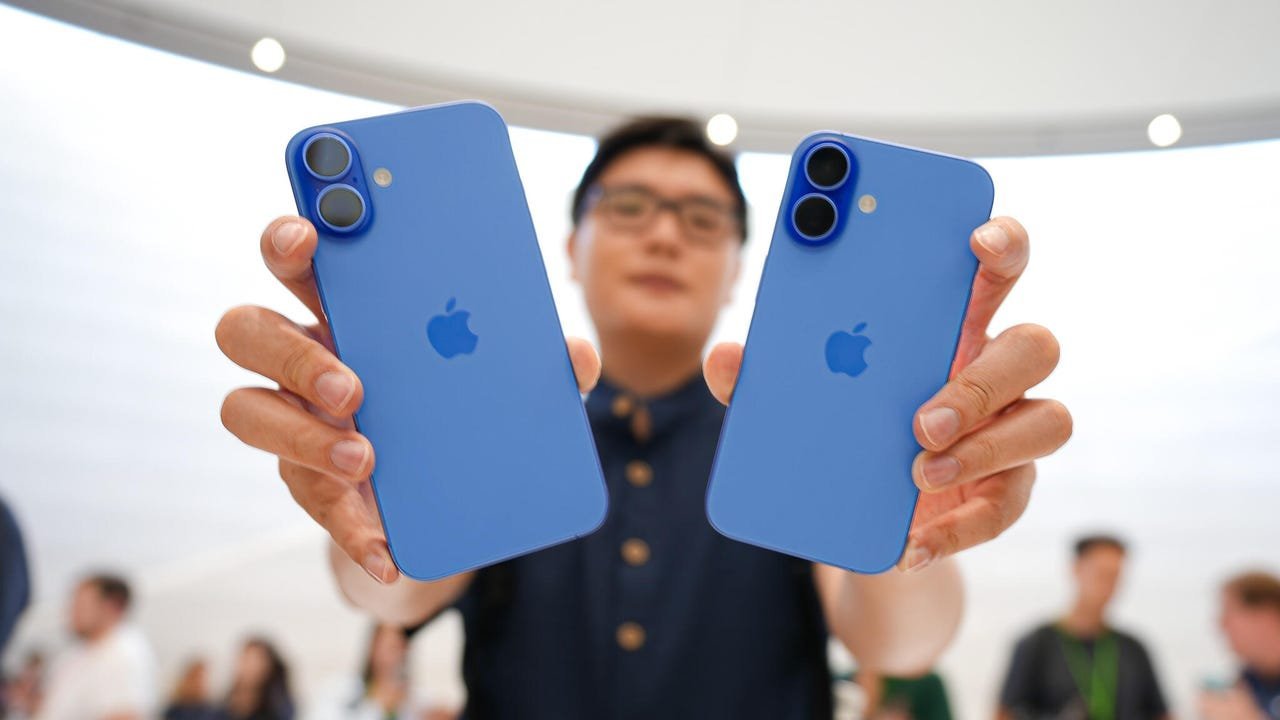 Image: Kerry Wan/ZDNET shows current iPhone models - a visual contrast to the rumored Air design
This positions the Air precariously between the standard iPhone 17 and Pro models, forcing consumers to choose between form factor and functionality. The gamble? That lightweight enthusiasts will pay premium prices for radical design—a bet that backfired for Samsung's similarly positioned S25 Edge.
Democratizing Premium Features
Perhaps more impactful for developers and the broader market is Apple's reported decision to bring 120Hz ProMotion displays to the base iPhone 17—previously exclusive to Pro models. This levels the playing field for app fluidity and responsiveness across Apple's non-pro devices, eliminating what Wan calls "the most obvious shortcoming" of recent base models.
The strategic implications are profound:
- Development Parity: App developers can now optimize animations and interactions for high refresh rates across Apple's entire mainstream lineup
- Cannibalization Risk: Pro models lose a key differentiator, potentially eating into Apple's own premium sales
- Competitive Pressure: Android rivals like Google and Samsung face intensified pressure to match display technology at lower price points
The Self-Cannibalization Calculus
Apple appears to be channeling Steve Jobs' philosophy: "If you don't cannibalize yourself, someone else will." By supercharging the base iPhone 17 while introducing a niche ultra-premium Air model, Apple risks fragmenting its own market. Yet this may be a calculated sacrifice to capture three crucial segments:
- Lightweight seekers willing to pay premium prices for radical design (Air)
- Value-conscious premium buyers satisfied with core Pro features in base models
- Android converts attracted by newly competitive specs at mainstream prices
The success hinges on precise product positioning—a challenge when the $1,099 Air costs just $200 less than the Pro while offering fewer cameras and battery life. If Apple's messaging clarifies these tradeoffs, the iPhone 17 could become its most disruptive lineup since the original iPhone. If not, consumers may face decision paralysis in an already crowded premium market.
Source: Kerry Wan, ZDNET (September 8, 2025)
Comments
Please log in or register to join the discussion