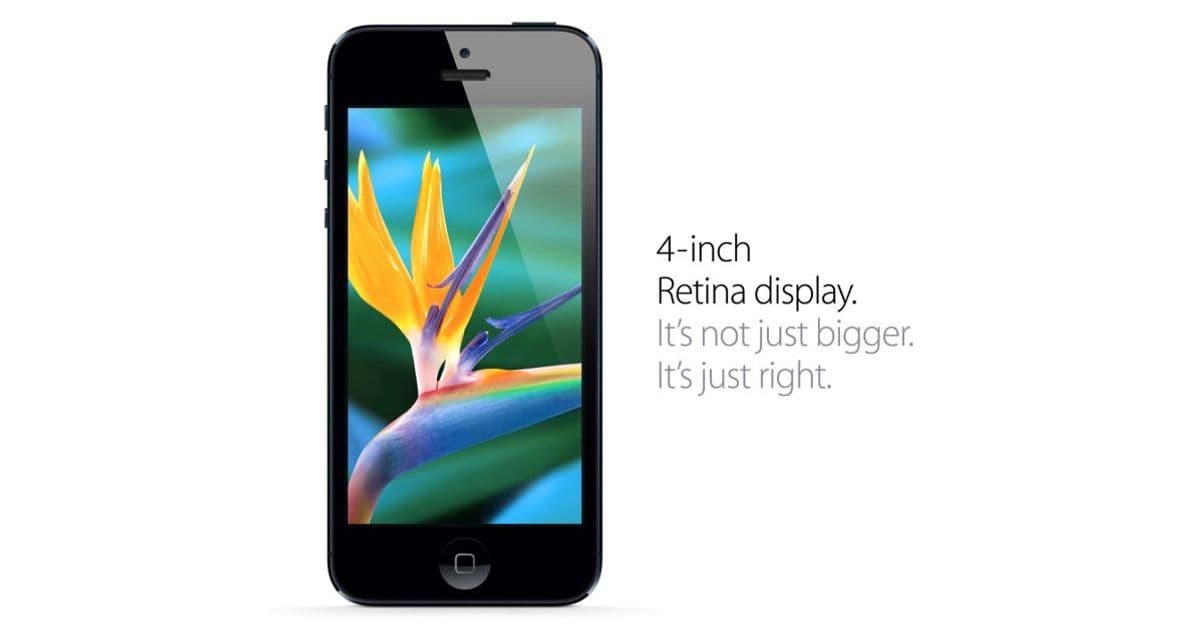
Apple has moved the iPhone 4 and iPhone 5 to its obsolete products list, ending official support and signaling the end of an era for these iconic devices.
Apple has officially moved the iPhone 4 and iPhone 5 to its worldwide obsolete products list, marking the definitive end of official support for these pioneering devices that helped define the modern smartphone era.
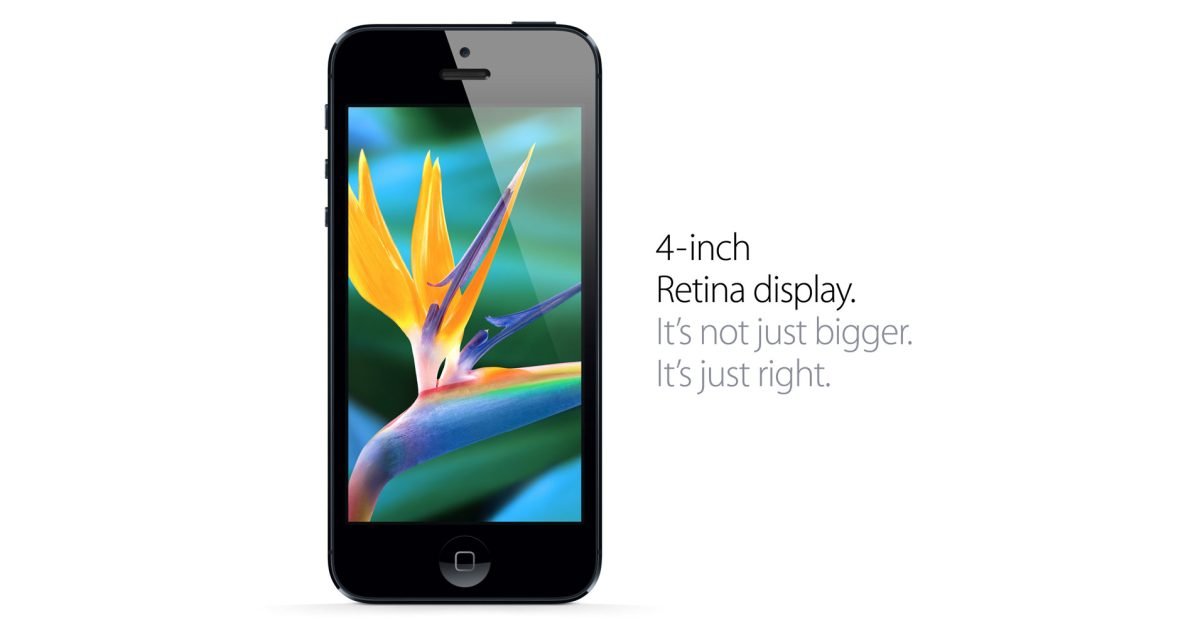
The End of an Era for Two Revolutionary Devices
The iPhone 4, introduced in 2010, was Apple's first device with a Retina display and the now-iconic stainless steel frame that doubled as an antenna. The iPhone 5, launched in 2012, brought the taller 4-inch display and Apple's first custom-designed processor, the A6 chip.
Both devices have now reached the end of their official lifecycle. Apple generally classifies products as obsolete seven years after they stop selling them, at which point the company ceases all hardware services and support.
What "Obsolete" Means for Users
When Apple designates a product as obsolete, it stops offering:
- Hardware services
- Software support
- Any form of official repairs
- Replacement parts through Apple Stores or authorized service providers
This means that if your iPhone 4 or 5 experiences hardware failure, Apple will no longer attempt to repair it, even if you're willing to pay for the service. The devices are effectively retired from Apple's support ecosystem.
The Vintage-to-Obsolete Timeline
Apple's classification system follows a specific timeline:
- Vintage status: Applied five years after a product stops selling
- Obsolete status: Applied seven years after a product stops selling
During the vintage period, Apple may still service devices while parts remain available. Once obsolete, all support ends.
iPhone 4's Complicated Path to Obsolescence
The iPhone 4's journey to obsolete status was particularly complex. Apple had already classified the iPhone 4 GSM (8GB), Black as obsolete, while the iPhone 4 (8GB) remained in vintage status. Today's update consolidates these listings, with Apple now simply listing "iPhone 4 GSM (8GB)" as obsolete.
Why This Matters for the Ecosystem
These designations highlight the rapid pace of mobile technology evolution. The iPhone 4 and 5, once cutting-edge devices, now represent the minimum threshold for modern iOS compatibility. iOS 7, released in 2013, was the last version supported on these devices.
For users still holding onto these older iPhones, this change means:
- Security updates are no longer available
- App compatibility will continue to decline
- Battery replacement must be handled by third-party services
- No official support for any hardware issues
Looking Back at Their Impact
The iPhone 4 introduced several technologies that became industry standards:
- Retina display with 326 pixels per inch
- Front-facing camera for FaceTime
- Gyroscope for motion sensing
- Stainless steel antenna band design
The iPhone 5 continued this innovation:
- First 4G LTE iPhone
- Lightning connector replacing the 30-pin dock
- Aluminum unibody construction
- 16:9 aspect ratio display
Both devices sold hundreds of millions of units and established design language and features that competitors rushed to emulate.
What's Next for Legacy iPhone Users
Users of these older devices have several options:
- Upgrade to a newer iPhone - Even older models like the iPhone SE or iPhone 6s offer significantly better performance and security
- Continue using as-is - For basic functions like calls and texts, these devices may still work
- Recycle through Apple - Apple's trade-in program accepts even very old devices
- Third-party repair services - Independent shops may still have parts for basic repairs
The Broader Context
Apple's obsolete list serves as a historical record of technology evolution. As these iconic devices move to obsolete status, they join other revolutionary products like the original iPod and early Mac models in Apple's technology graveyard.
For collectors and technology historians, these devices represent important milestones in mobile computing. The iPhone 4's design influenced smartphone aesthetics for years, while the iPhone 5's taller display became the new standard for mobile screens.
Checking Your Device Status
Users can check if their device is vintage or obsolete through Apple's support website. The company maintains detailed lists by product category, and in some cases extends service beyond the standard timelines based on local regulations or specific circumstances.
As these devices officially become obsolete, they remind us how far mobile technology has progressed in just over a decade - from the iPhone 4's 3.5-inch display to today's 6.7-inch Pro Max models with capabilities that would have seemed like science fiction in 2010.
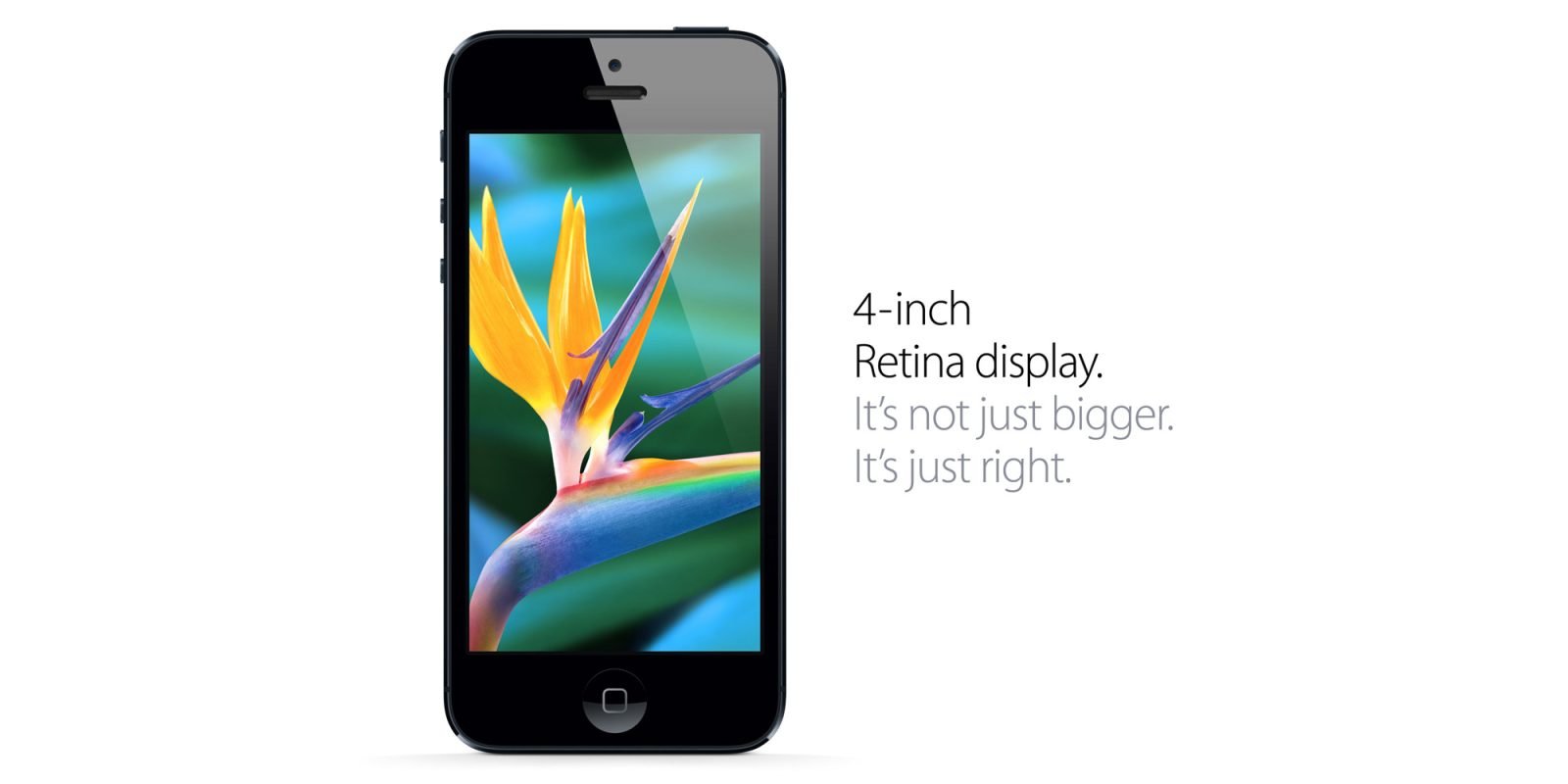
The iPhone 4 and 5 may no longer receive official support, but their influence on mobile technology and design continues to resonate throughout the industry.
Comments
Please log in or register to join the discussion