The annual White House Correspondents' Dinner faces an uncertain future amid shifting media economics, changing political dynamics, and evolving journalistic practices that question its relevance and sustainability in the digital age.
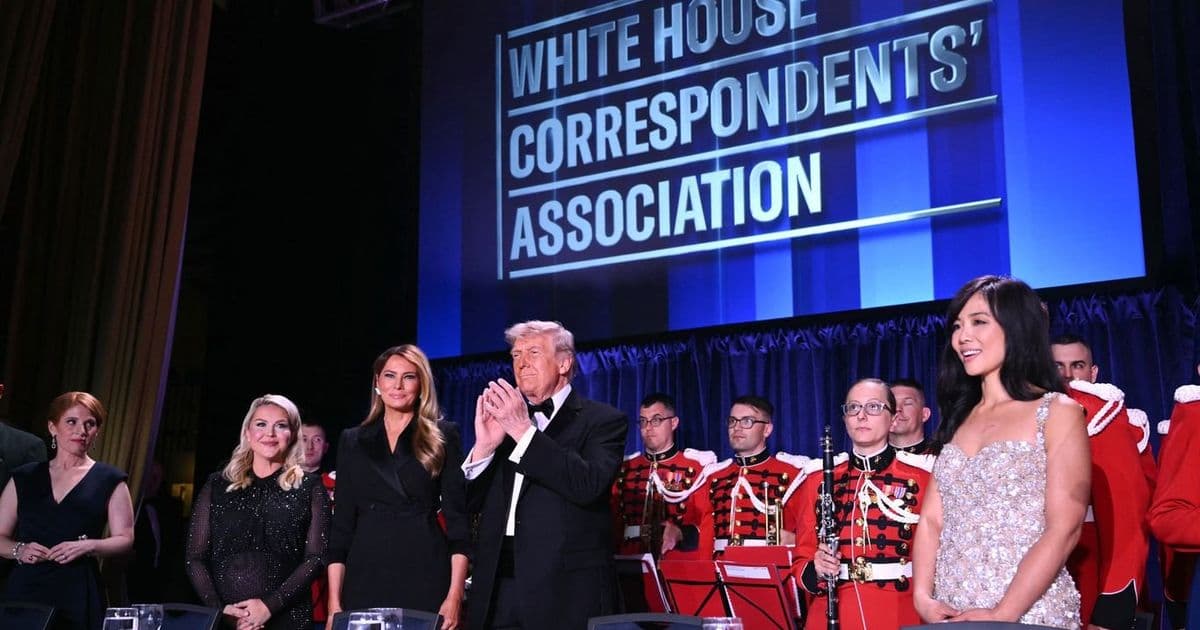
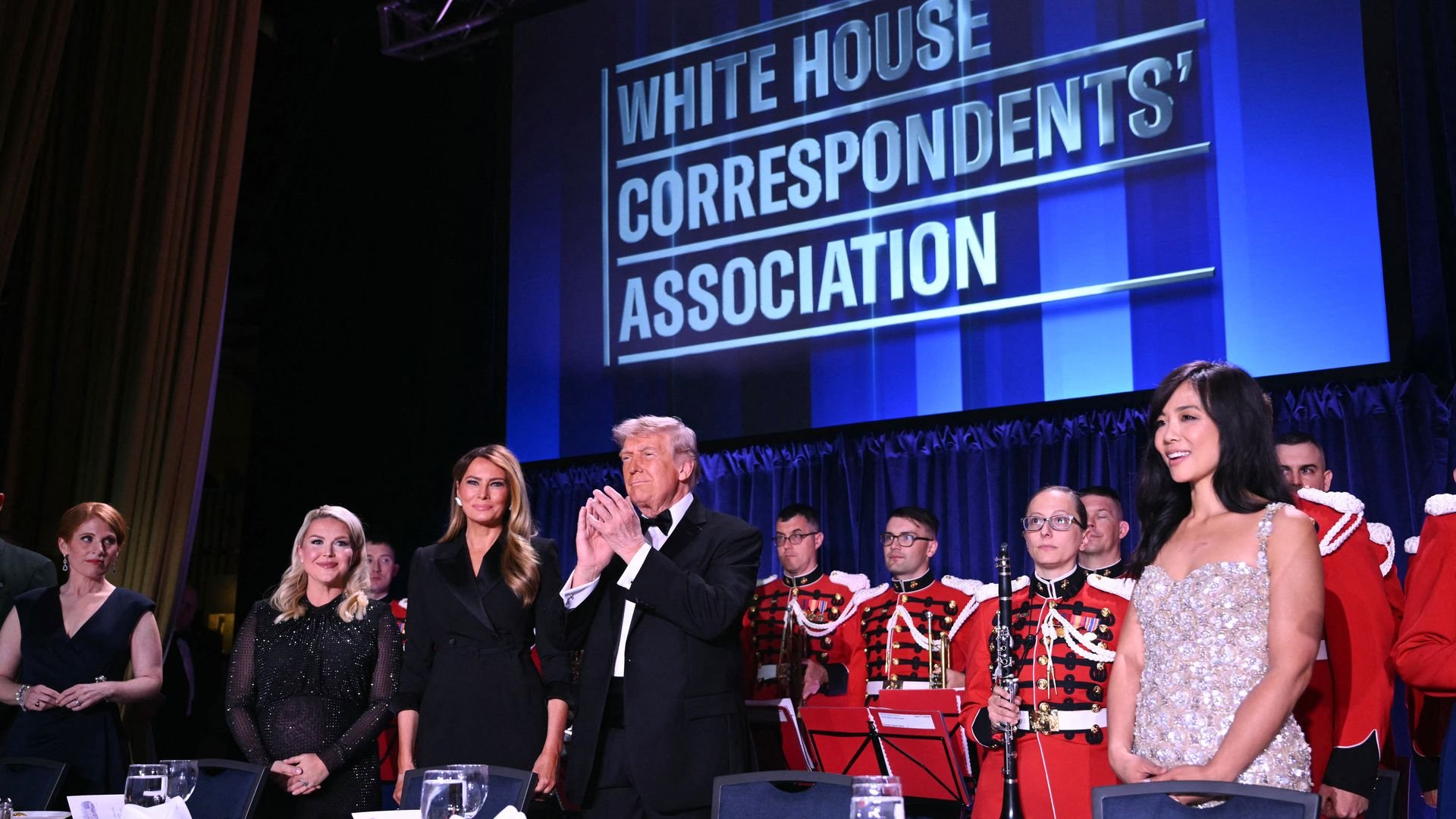
The annual White House Correspondents' Dinner, a signature event in Washington's political and media calendar, finds its future increasingly uncertain as media industry transformations, political polarization, and technological disruptions converge to challenge its traditional role. Held this past April 25, 2026, with notable attendees including President Donald Trump, First Lady Melania Trump, White House Press Secretary Karoline Leavitt, journalists Karen Travers and Weijia Jiang, the dinner showcased the event's continued symbolic importance even as questions mount about its long-term viability.
Financially, the dinner has become an increasingly complex proposition. The 2026 event reportedly cost approximately $1.2 million to produce, with ticket prices ranging from $300 to $2,500, and corporate sponsorships contributing an estimated $800,000 to the budget. However, these figures mask deeper challenges facing the White House Correspondents' Association (WHCA), which organizes the event. The association's operating budget has declined by 35% over the past five years, from $2.8 million in 2021 to $1.8 million in 2026, reflecting broader industry struggles as traditional media outlets grapple with declining advertising revenue and audience fragmentation.
Market context reveals a media landscape in profound transition. The traditional broadcast networks that once dominated coverage of the dinner—ABC, CBS, and NBC—have seen their combined viewership decline by 42% since 2016, when the dinner was last regularly broadcast live. In contrast, digital-first media outlets and social platforms have gained prominence, with live streams on platforms like Twitch and X (formerly Twitter) generating 3.2 million combined views in 2026, a 280% increase from 2021. This shift has diminished the dinner's broadcast value while simultaneously creating new distribution opportunities that challenge the WHCA's traditional control over media access.
Technologically, the dinner's format appears increasingly anachronistic in an era of virtual events and digital-first engagement. The 2026 dinner generated approximately 15 million social media mentions, but only 28% of these came from traditional media outlets, with the majority originating from independent creators, political commentators, and citizen journalists. This democratization of coverage has diluted the dinner's exclusivity while simultaneously amplifying its reach in ways that the WHCA has struggled to monetize effectively.
The strategic implications extend beyond financial considerations to questions about the dinner's fundamental purpose in contemporary media and political ecosystems. Originally established in 1921 as a means for journalists to build relationships with government officials, the dinner has evolved into a high-profile media event that serves multiple functions: a fundraiser for journalism scholarships, a platform for political figures to engage with media, and a showcase for Washington's social circuit. However, with trust in media institutions at historic lows—only 32% of Americans express confidence in the media according to recent Gallup polling—and political polarization intensifying, the dinner's role as a unifying institution has come under scrutiny.
Industry analysts point to several potential scenarios for the dinner's future. One possibility involves a significant downsizing, reducing costs by an estimated 40% through venue changes, reduced guest lists, and diminished production values. A second scenario envisions a pivot to a hybrid format, incorporating virtual elements to expand reach while maintaining core in-person experiences. The most radical possibility, suggested by some media observers, would be the dinner's complete reinvention as a platform focused on media innovation and digital journalism education, potentially partnering with technology companies and educational institutions.
The WHCA has not publicly commented on specific contingency plans, but internal documents obtained by media outlets suggest that the association is exploring multiple options. The organization's endowment, currently valued at $4.2 million, could provide a financial buffer for up to three years at current expenditure levels, but longer-term sustainability would require either increased revenue streams or significant operational restructuring.
For the media industry, the dinner's uncertain future reflects broader challenges facing traditional journalism institutions. The event's potential decline would eliminate one of Washington's most visible platforms for media-government interaction, potentially reshaping how political journalism is practiced and funded. As media organizations continue to navigate digital transformation, the dinner's fate may serve as an indicator of the broader health of Washington journalism and its ability to adapt to changing political and technological landscapes.
Media executives and political strategists remain divided on the dinner's value. Proponents argue that despite its challenges, the dinner remains an important institution for maintaining civil relationships between journalists and government officials in an increasingly polarized environment. Critics contend that the resources devoted to the dinner could be better allocated to supporting investigative journalism or addressing industry-wide challenges such as news deserts and misinformation.
As the 2027 planning cycle begins, the WHCA faces difficult decisions about whether to preserve the dinner's traditional form or reimagine it for a new media environment. Whatever direction the organization chooses, the outcome will likely influence how Washington's media and political communities interact in an era of digital disruption and heightened political tension. The dinner's future may ultimately depend on its ability to demonstrate continued relevance in a media landscape that increasingly values digital engagement, specialized content, and direct audience connection over traditional institutional gatherings.
Comments
Please log in or register to join the discussion