Apple may expand its eSIM-only iPhone strategy to Europe with the iPhone 18 Pro and Pro Max, following its existing approach in the US and select markets.
Apple is reportedly planning to make the iPhone 18 Pro and iPhone 18 Pro Max eSIM-only devices in Europe, according to a new rumor from Techmaniacs. If true, this would mark a significant expansion of Apple's eSIM strategy beyond the 12 markets where it currently sells eSIM-only iPhones, including the United States, Japan, Mexico, and Saudi Arabia.
What's changing with iPhone 18 Pro models
The report suggests that Apple will split the iPhone 18 series launch into two phases. The Pro models, including the iPhone 18 Pro and iPhone 18 Pro Max, are expected to debut in September 2026 as usual. Meanwhile, the standard iPhone 18 and the rumored iPhone Air successor would be delayed until early 2027.
One interesting detail from the rumor is that the iPhone 18 Pro Max's battery capacity could increase to between 5,100 and 5,200mAh as a result of the switch from physical SIM cards to eSIM technology. This capacity bump would likely come from the additional internal space freed up by eliminating the SIM card tray.
The eSIM-only trend explained
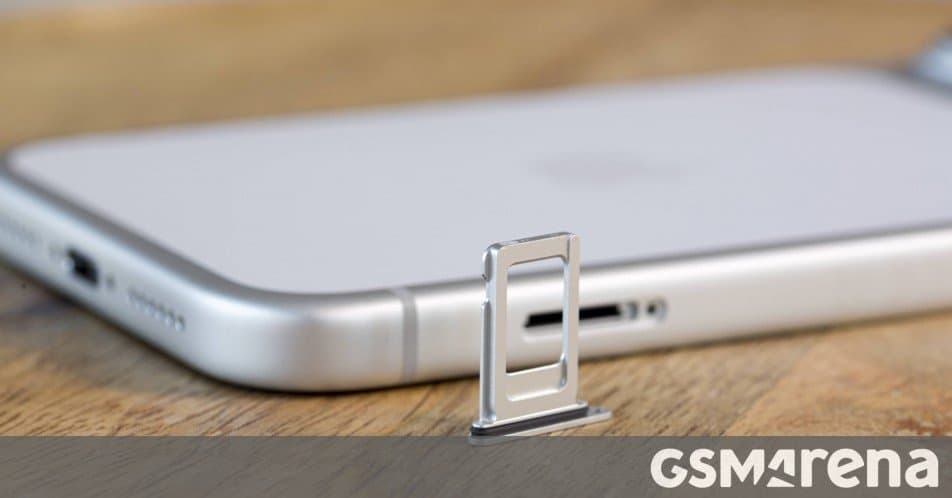
Apple has been gradually moving toward eSIM-only devices since first introducing eSIM support in 2018. The company made the bold move to sell eSIM-only iPhones in the US starting with the iPhone 14 series in 2022. This transition eliminates the physical SIM card tray, allowing for potentially more internal space for batteries or other components, and enabling features like dual eSIM support.
For consumers, eSIM technology offers several advantages: the ability to have multiple cellular plans on one device, easier carrier switching without needing a new physical SIM, and the convenience of activating service remotely. However, it also presents challenges for travelers who may need to quickly switch to local carriers or for users in areas with limited eSIM support from carriers.
European market considerations
Europe presents a unique challenge for Apple's eSIM-only strategy. The European Union has been pushing for consumer-friendly policies, including the recent mandate for standardized USB-C charging ports on all smartphones. An eSIM-only approach could face scrutiny from EU regulators concerned about consumer choice and the ability to easily switch carriers.
European consumers also tend to be more mobile across borders, frequently traveling between EU countries where different carriers and plans may be preferable. The success of eSIM-only iPhones in Europe would depend heavily on carrier adoption and support across the region.
The rumored delay of the standard iPhone 18 and iPhone Air models until early 2027 suggests Apple may be taking a cautious approach, testing the eSIM-only waters with its premium Pro models first before potentially extending the strategy to its entire lineup.
Looking ahead
If this rumor proves accurate, the iPhone 18 Pro and Pro Max would represent Apple's first eSIM-only devices in Europe. This move would align with the company's broader strategy of simplifying its hardware design and pushing the industry toward digital alternatives to physical components.
As with all rumors, particularly those from less-established sources, this information should be taken with caution. Apple typically doesn't comment on unreleased products, and the tech industry is rife with speculation. However, given Apple's track record with eSIM implementation and its willingness to make bold changes to its hardware strategy, the possibility of eSIM-only iPhones coming to Europe seems increasingly likely.
The full impact of this potential change won't be clear until Apple makes an official announcement, likely alongside the iPhone 18 series debut in September 2026. Until then, consumers and industry watchers will be keeping a close eye on how this strategy might affect the European smartphone market and whether other manufacturers might follow Apple's lead.
Comments
Please log in or register to join the discussion