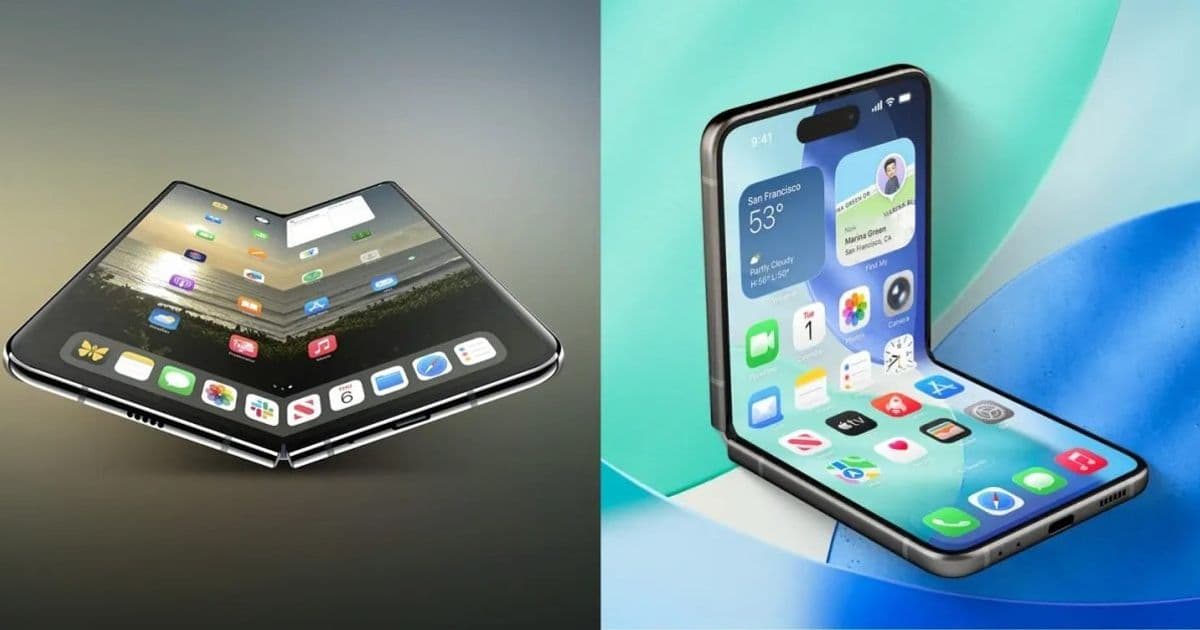
Apple's folding iPhone plans have evolved from speculation to engineering prototypes, with the Fold leading the charge while the Flip remains a tantalizing possibility that could redefine how we carry our devices.
When the first rumors of a folding iPhone emerged, we didn't know which of the two possible formats Apple was planning: an iPhone Fold or an iPhone Flip. It later became clear that what we're expecting to be launched first is a book-style iPhone Fold. However, there are signs that we may get both.
The Two Paths to Folding
There are two possible form factors for a folding smartphone, colloquially known as a Fold and a Flip. The Fold is a device which is roughly the same size as existing iPhones when folded and which unfolds into a display size close to that of the iPad mini. Production plans for this model are believed to be well advanced, last year moving into what is known as engineering validation & testing, with around 100 prototypes manufactured.
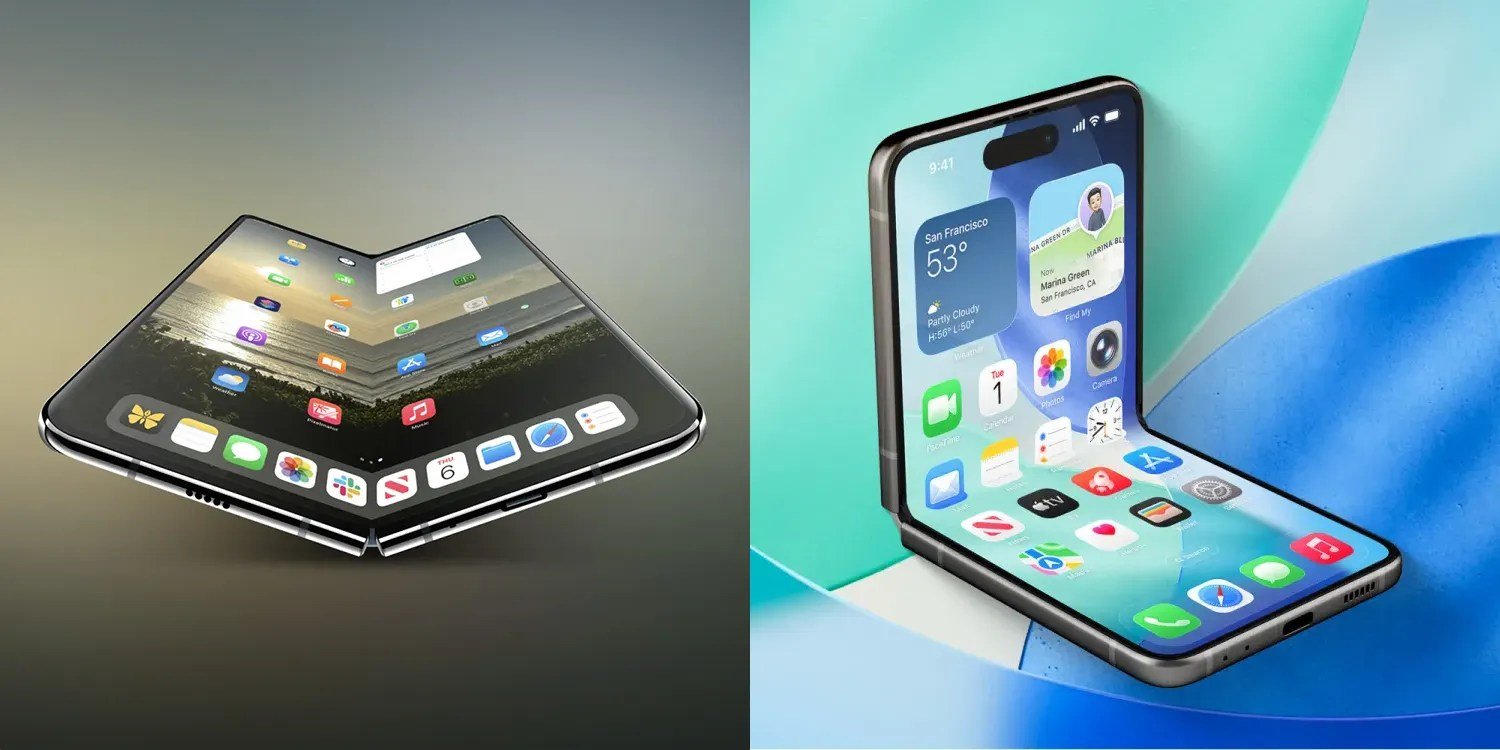
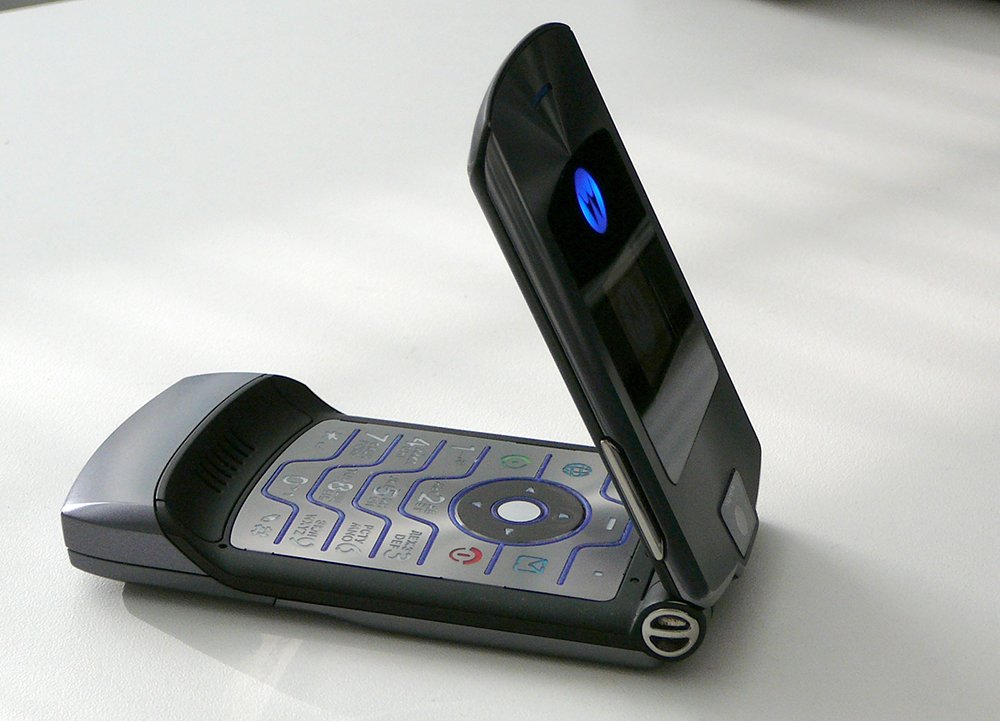
The Flip is the opposite approach. Instead of unfolding into a much larger display, it folds down into a very pocketable device around half the height and width of existing iPhones. This is often referred to as a clamshell design, mimicking that of one of the most famous and popular dumb phone designs, the Motorola Razr.
The Engineering Reality
At this point we don't know whether Apple plans to ever make an iPhone Flip. Bloomberg's Mark Gurman has said only that the company is considering it. A subsequent report says that the company has tested one, although this was a very vague comment that could mean anything from a rough engineering prototype to something more finished.
What we do know is that the iPhone Fold is significantly further along in development. The engineering validation testing phase suggests Apple has moved beyond basic prototypes and is now working on refining the manufacturing process. This typically involves creating dozens or hundreds of units to test assembly procedures, quality control, and identify potential production bottlenecks before mass manufacturing begins.
The Use Case Dilemma
The fundamental question comes down to how you want to use a folding iPhone. The Fold approach essentially gives you an iPhone that transforms into a small tablet. When closed, it's roughly the same size and weight as current models, but when opened, you get a much larger canvas for productivity, media consumption, and multitasking. This aligns with Apple's existing ecosystem where the iPad serves as a larger-screen companion to the iPhone.
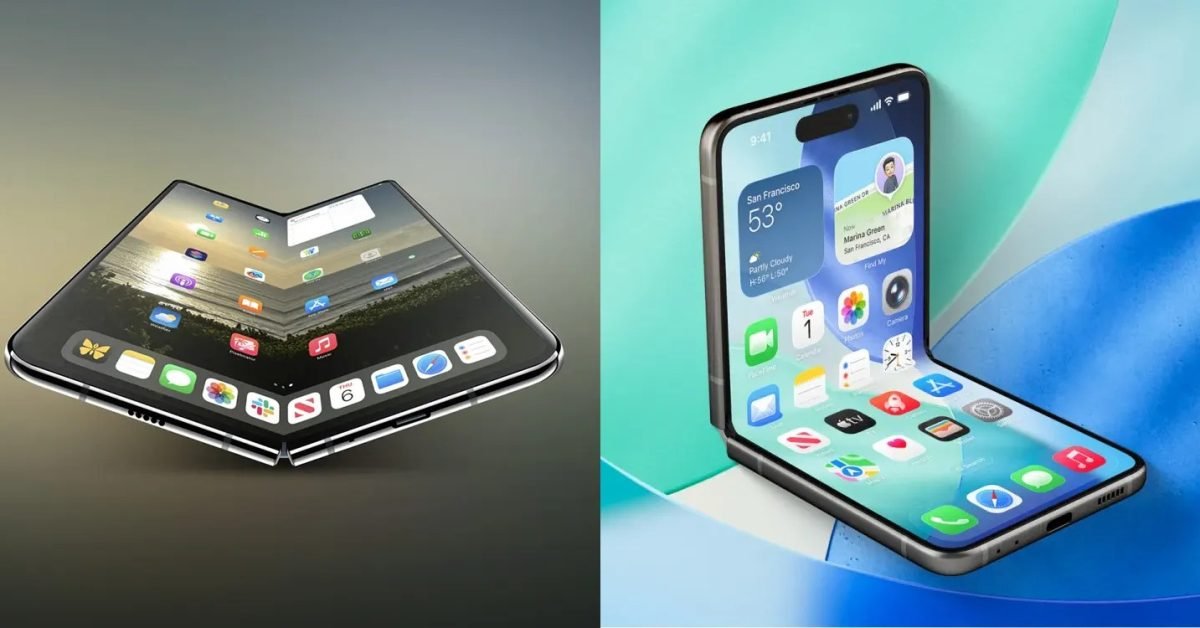
The Flip approach takes a different philosophy entirely. Instead of expanding your screen real estate, it shrinks your device when not in use. A Flip-style iPhone would be dramatically more pocketable than current models, potentially fitting into smaller pockets, purses, or even attaching to keychains. When opened, you'd have a standard iPhone experience, but with the added benefit of being able to close it up when you want to minimize bulk.
The Market Context
Apple isn't entering this space in a vacuum. Samsung has found success with both the Galaxy Z Fold and Galaxy Z Flip lines, though they serve different customer segments. The Fold appeals to power users who want tablet functionality in their pocket, while the Flip targets fashion-conscious consumers and those who prioritize portability over screen size.
Google has also entered the foldable market with the Pixel Fold, taking a similar approach to Samsung's larger folding devices. This competition suggests there's a viable market for both form factors, though the Flip-style devices have generally seen more mainstream adoption due to their familiar smartphone-like experience when opened.
The Technical Challenges
Both approaches face significant engineering hurdles. The Fold requires solving complex hinge mechanisms that can withstand thousands of folds while maintaining a seamless display. The crease in the middle of the screen remains a challenge, though Apple's engineering prowess suggests they may have innovative solutions in development.
For the Flip, the challenges are different but equally complex. The hinge must be robust enough to protect the display when closed, and the overall design needs to maintain Apple's premium feel while accommodating the folding mechanism. Heat dissipation and battery placement become more complicated in a clamshell design, and Apple will need to ensure the device doesn't feel flimsy or cheap.
The Ecosystem Question
One of Apple's strengths is its ecosystem integration. A Fold-style device naturally extends the iPhone-iPad continuum, potentially offering features like Stage Manager or multi-window support that leverage the larger screen. App developers could create experiences that span both the folded and unfolded states, similar to how iPad apps have evolved to take advantage of larger displays.
A Flip device presents a different ecosystem challenge. While it could offer unique features when closed (like quick notifications or basic interactions), the primary experience would remain that of a standard iPhone. This might limit its differentiation from regular iPhones, though Apple could potentially introduce new interaction models or use cases specific to the clamshell form factor.
The Timeline Reality
Even if Apple is considering both form factors, the timeline for their release could be very different. The Fold appears to be on track for a potential launch in the next year or two, while the Flip might still be in early exploration phases. Apple's history suggests they prefer to perfect a technology before releasing it, which could mean a longer development cycle for the Flip if they decide to pursue it.
Your Choice Matters
The question of which form factor holds greater appeal isn't just academic—it could influence Apple's product strategy. If there's strong consumer interest in the Flip concept, it might encourage Apple to accelerate development. Conversely, if the Fold proves more popular, Apple might focus their resources there exclusively.
Which type of folding iPhone holds greatest appeal for you?
[Poll embedded here]
As we wait for Apple to make their move in the foldable space, the debate between Fold and Flip represents more than just a preference for screen size or pocketability. It's about how we want to interact with our most personal devices and what trade-offs we're willing to make for innovation. Whether you're drawn to the productivity potential of a tablet in your pocket or the convenience of a phone that disappears when you don't need it, the folding iPhone era is coming—and it's going to offer choices we've never had before.
Comments
Please log in or register to join the discussion