
ZDNET is live from Cupertino as Apple gears up to unveil the iPhone 17 series, including a rumored ultra-thin 'Air' model, alongside health-focused Apple Watch Series 11 and AI-enhanced AirPods Pro 3. With Apple facing stiff competition in AI and wearables, this event could redefine smartphone innovation and set new standards for personal tech integration.
The stage is set at Apple Park for what could be one of the most pivotal tech events of 2025. On September 9, Apple will unveil its latest lineup, headlined by the iPhone 17 series, with ZDNET providing real-time updates and analysis. Amid whispers of a major design overhaul, health-monitoring earbuds, and a critical push into AI, Apple isn't just launching products—it's battling to reclaim its mantle as an innovator in an increasingly competitive landscape.
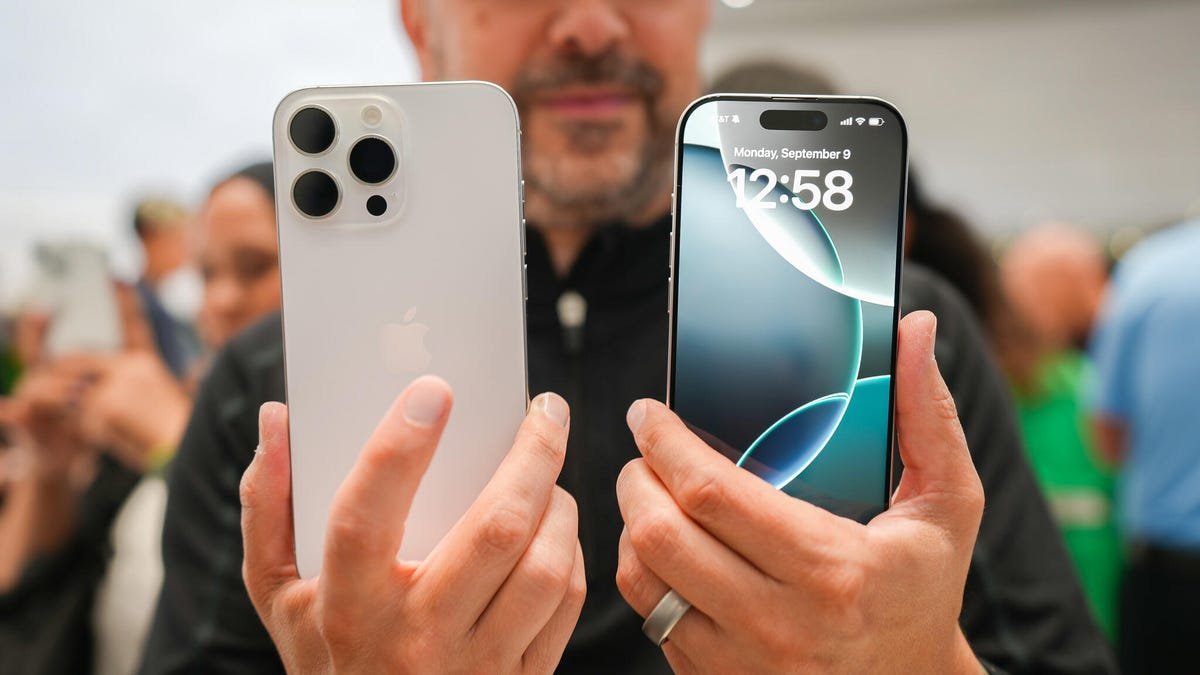 Main article image capturing the anticipation at Apple Park. (Source: ZDNET)
The iPhone 17 Revolution: Thinner, Smarter, and AI-Ready
Rumors point to a significant redesign for the iPhone 17 Pro and Pro Max, featuring a reimagined camera bar with additional sensors and a two-toned back panel that may enable reverse wireless charging—a first for iPhones and a nod to Android rivals. Even more intriguing is the potential replacement of the iPhone Plus with an ultra-lightweight iPhone 17 Air. This model, rumored to boast a titanium frame and a single-camera system, could bridge the gap between affordability and premium portability, hinting at Apple's foldable ambitions. As Kerry Wan, ZDNET's Managing Editor, notes: "If these iPhone 17 Air rumors pan out, it might finally retire my daily driver—offering Pro Max screen real estate without the bulk."
But the stakes are highest in AI. Despite hosting top-tier apps, the iPhone lags in deep OS-level AI integration. Jason Hiner, ZDNET's Editor-in-Chief, outlines seven features Apple must adopt to compete, including Google's Pixel 10-like Pro Res Zoom and Magic Eraser, Anthropic's Deep Research, and conversational photo editing. "Google currently makes the case for the smartest phone," Hiner warns. "Without these leaps, the iPhone 17 risks feeling like a generation behind."
Wearables Wars: Health Tech Takes Center Stage
Apple's wearables segment, which drove over $100 billion in Q2 revenue, faces pressure to innovate. The Apple Watch Series 11 and Ultra 3 are expected to debut sleep scoring, satellite connectivity, and blood-pressure tracking—advancements that could cement Apple's lead in health tech. Counterpoint Research credits Apple's "continuous evolution" in health features for its dominance, but rivals like Samsung and Fitbit are closing in. Nina Raemont, ZDNET's Wearables Editor, predicts: "Hypertension monitoring or AI health coaches could be the game-changers that keep users locked into the ecosystem."
Meanwhile, the AirPods Pro 3 might steal the show with a surprise addition: heart rate monitoring. Leveraging the same H2 chipset as the Powerbeats Pro 2, which already includes this feature, Apple could transform its earbuds into discreet health sensors. This move would blur lines between accessories and medical devices, opening new frontiers for real-time biometric tracking.
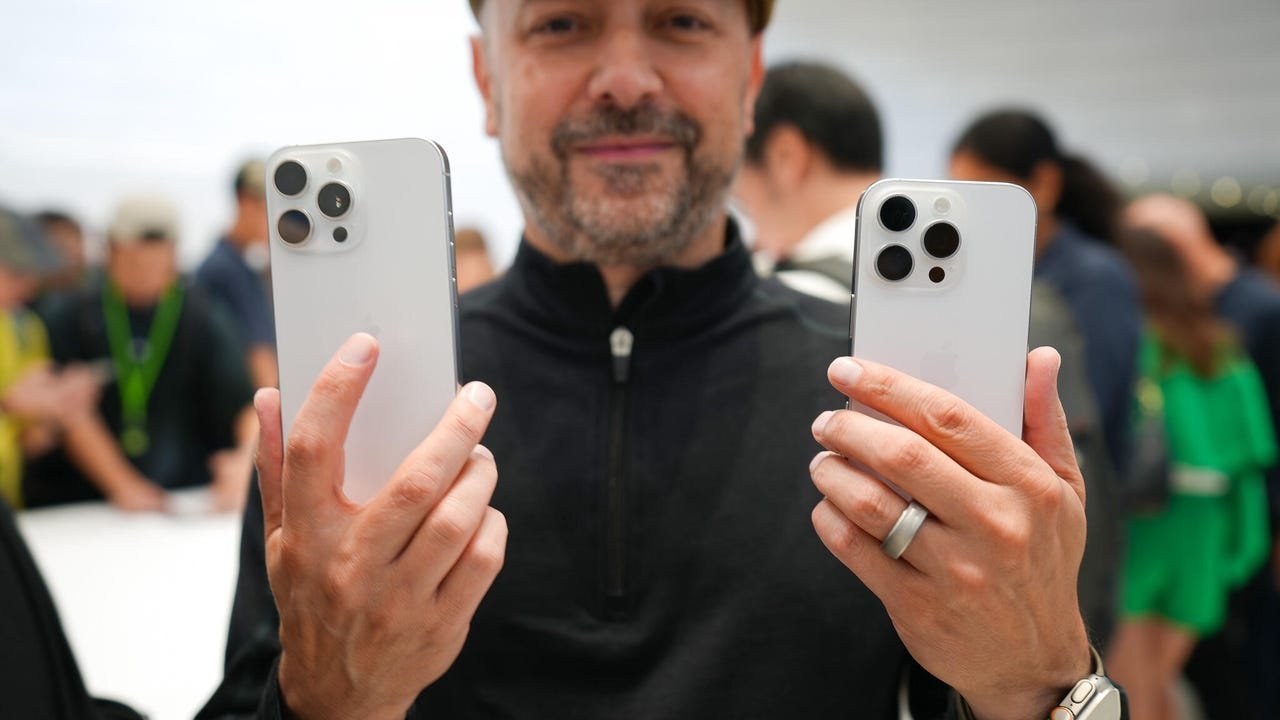 iPhone 16 Pro models hint at design cues for the upcoming iPhone 17. (Source: Kerry Wan/ZDNET)
The Bigger Picture: Apple's Make-or-Break Moment in AI
Tuesday's event isn't just about hardware—it's a referendum on Apple's AI strategy. While competitors like Google and Microsoft aggressively integrate generative AI, Apple's "Apple Intelligence" features have rolled out slowly. The event's "Awe-dropping" invitation, with its heat-map-like colors, fuels speculation about thermal improvements (like vapor chambers) for better AI performance or even body-temperature sensors across devices. As Wan theorizes, these clues suggest Apple is finally ready to weaponize AI across its ecosystem, turning iPhones and watches into proactive health partners.
For developers and tech leaders, the implications are profound. Tighter AI integration could spur new app capabilities, from real-time health diagnostics to on-device large language models (LLMs), while the iPhone 17 Air's design might influence future foldable or AR hardware. As livestreams kick off at 10 a.m. PT, the industry watches to see if Apple can deliver not just awe, but a roadmap for the next decade of intelligent devices—where hardware, health, and AI converge seamlessly.
Comments
Please log in or register to join the discussion