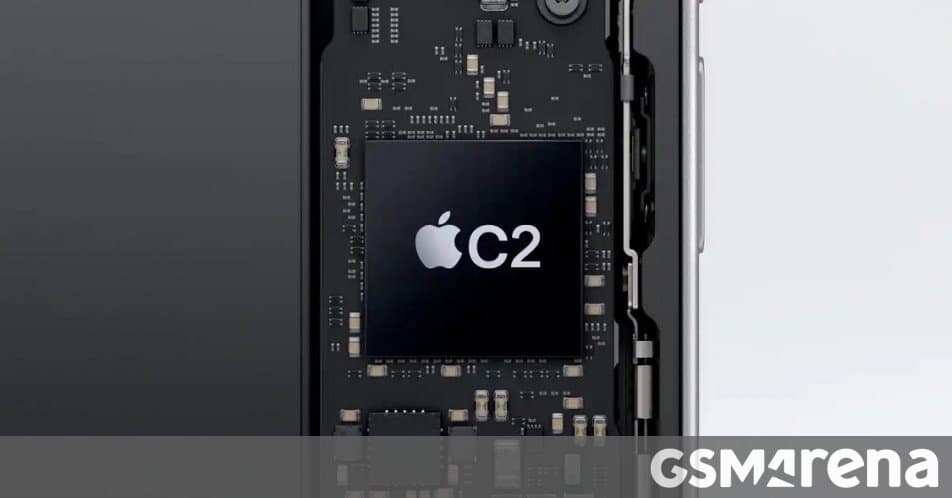
Apple's next-generation C2 modem for iPhone 18 Pro series will support satellite 5G connectivity through NR-NTN technology, enabling direct internet access via low-Earth orbit satellites.
Apple is reportedly developing its second-generation C2 modem that will bring satellite 5G connectivity to the upcoming iPhone 18 Pro series, according to a new rumor from Chinese leaker. The C2 modem is expected to support New Radio Non-Terrestrial Networks (NR-NTN) connectivity, allowing devices to connect directly to low-Earth orbit satellites for internet access in areas without traditional cellular coverage.
This development marks a significant advancement in mobile connectivity, as it would enable iPhone users to maintain internet access even in remote locations where cellular towers are unavailable. The technology works by establishing direct communication links with satellites orbiting the Earth, bypassing the need for ground-based infrastructure.
Unlike Apple's current C1 and C1X modems, the C2 modem is expected to be integrated directly into the main chipset rather than being a separate component. This integration approach could lead to improved power efficiency and potentially smaller device designs, as fewer discrete components would be required.
The move toward satellite connectivity aligns with Apple's broader strategy of enhancing its devices' capabilities in challenging environments. The company has been rumored to be working on satellite features for some time, with previous reports suggesting plans for satellite-based emergency services and messaging capabilities.
Interestingly, the leak indicates that Huawei conducted public testing for its own NR-NTN solution last year, suggesting that multiple smartphone manufacturers are exploring satellite connectivity options. This points to 2026 potentially being a pivotal year for satellite internet connectivity across the smartphone industry, with several OEMs expected to introduce devices featuring this technology.
The C2 modem's satellite capabilities would complement existing 5G networks, providing a fallback option when traditional cellular service is unavailable. This could be particularly valuable for users in rural areas, during natural disasters when cellular networks might be compromised, or for outdoor enthusiasts who venture into areas without cellular coverage.
Apple's approach to satellite connectivity appears to be more comprehensive than simply adding emergency features. By integrating NR-NTN support directly into the modem architecture, the company is positioning satellite connectivity as a standard feature that could be used for regular internet access, not just emergency situations.
The timing of this development is significant, as it comes amid growing interest in satellite-based internet services from companies like SpaceX's Starlink and Amazon's Project Kuiper. While these services primarily target fixed locations and vehicles, Apple's approach would bring similar capabilities to mobile devices, potentially opening up new use cases for satellite internet access.
For consumers, the introduction of satellite 5G connectivity could mean fewer dead zones and more reliable internet access overall. However, it's worth noting that satellite connectivity typically comes with limitations such as higher latency compared to terrestrial networks and potential data usage restrictions due to bandwidth constraints.
The integration of satellite capabilities into the main chipset also suggests that Apple is investing heavily in its modem technology, moving away from reliance on third-party modem suppliers. This vertical integration strategy could give Apple more control over the performance, features, and power efficiency of its devices' connectivity capabilities.
As the iPhone 18 Pro series release approaches, more details about the C2 modem's specific capabilities, performance characteristics, and supported satellite networks are likely to emerge. The technology represents a significant step forward in mobile connectivity and could set a new standard for smartphone capabilities in the coming years.
Related Developments in Mobile Connectivity:
- The iPhone 18 Pro series is also rumored to feature a second-generation Apple modem, building on the company's efforts to develop in-house modem technology
- Reports suggest Apple is working on satellite maps for iPhone and Apple Watch users, further expanding its satellite-related initiatives
- T-Mobile has expanded its T-Satellite support to third-party apps, indicating growing carrier interest in satellite connectivity solutions
The advancement of satellite connectivity in smartphones represents a convergence of mobile technology and space-based communications infrastructure, potentially transforming how we think about mobile internet access and device capabilities in the future.
Comments
Please log in or register to join the discussion