
Valve's Steam Deck is experiencing widespread stock shortages across North America and parts of Asia, with rising memory component costs likely to blame for the supply constraints.
The Steam Deck has gone out of stock in several key regions, with memory component shortages emerging as the likely culprit behind the supply constraints. The handheld gaming PC, which has been a surprise hit for Valve, is now showing "Out of Stock" status across all three variants in the US and Canada stores, while shortages have also been reported in Japan, South Korea, Hong Kong, and Taiwan.
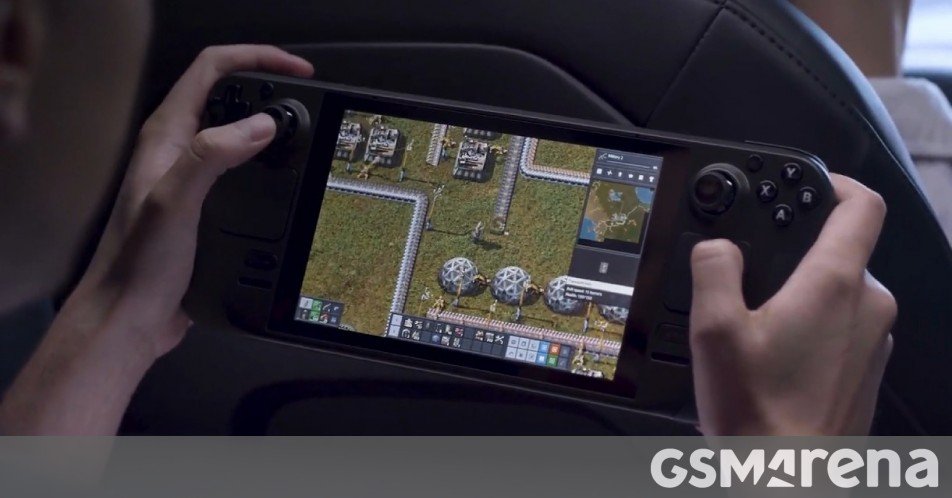
Interestingly, European stores still have units available in both storage configurations, suggesting the supply issues may be region-specific rather than a complete manufacturing halt. The situation is particularly notable because the 512GB and 1TB OLED models represent the current generation of Steam Deck hardware, following the discontinuation of the LCD version in December 2025.
A Reddit thread tracking order statuses shows that some customers in the US have successfully placed orders in recent days, indicating that stock may be extremely limited rather than completely unavailable. This suggests Valve may be managing very small inventory levels while dealing with component procurement challenges.
The timing of these shortages coincides with dramatic increases in memory prices across the industry. According to market analysts at Counterpoint, DRAM, NAND, and HBM memory prices have surged between 80% and 90% in Q1 2026 compared to the previous quarter. This represents the most significant price increase in recent memory market history.
Valve's recent handling of its other hardware products provides additional context for the current situation. The Steam Machine and Steam Frame VR headset, both announced in November 2025, have seen their release dates pushed back without concrete timelines. Valve has also kept their pricing under wraps, which industry observers interpret as a sign of uncertainty about component costs and availability.
The memory price surge affects all hardware manufacturers, but smaller companies like Valve may be disproportionately impacted. Unlike larger tech companies that can secure bulk component orders through long-term contracts, Valve's relatively modest production volumes for the Steam Deck may leave it more vulnerable to market volatility.
This situation highlights the broader challenges facing the gaming hardware industry in 2026. The combination of increased demand for gaming devices and constrained memory supply has created a perfect storm that's affecting everything from handheld PCs to VR headsets. For Steam Deck enthusiasts hoping to purchase the device, the current shortages may persist until memory prices stabilize or Valve secures more favorable component contracts.
The Steam Deck's popularity has exceeded many industry expectations since its launch, with the device offering PC gaming capabilities in a portable form factor at competitive prices. However, this success may have made Valve a victim of its own achievement, as higher production volumes have coincided with unprecedented memory price increases.
For now, potential buyers in affected regions may need to monitor European store availability or wait for Valve to address the supply issues. The company has not issued an official statement regarding the shortages, but the pattern of stock availability across different regions strongly suggests component procurement challenges rather than a planned product transition or discontinuation.

The current situation serves as a reminder of the complex global supply chains that underpin modern gaming hardware and how quickly market conditions can impact product availability, even for established companies like Valve with successful product lines.
Comments
Please log in or register to join the discussion