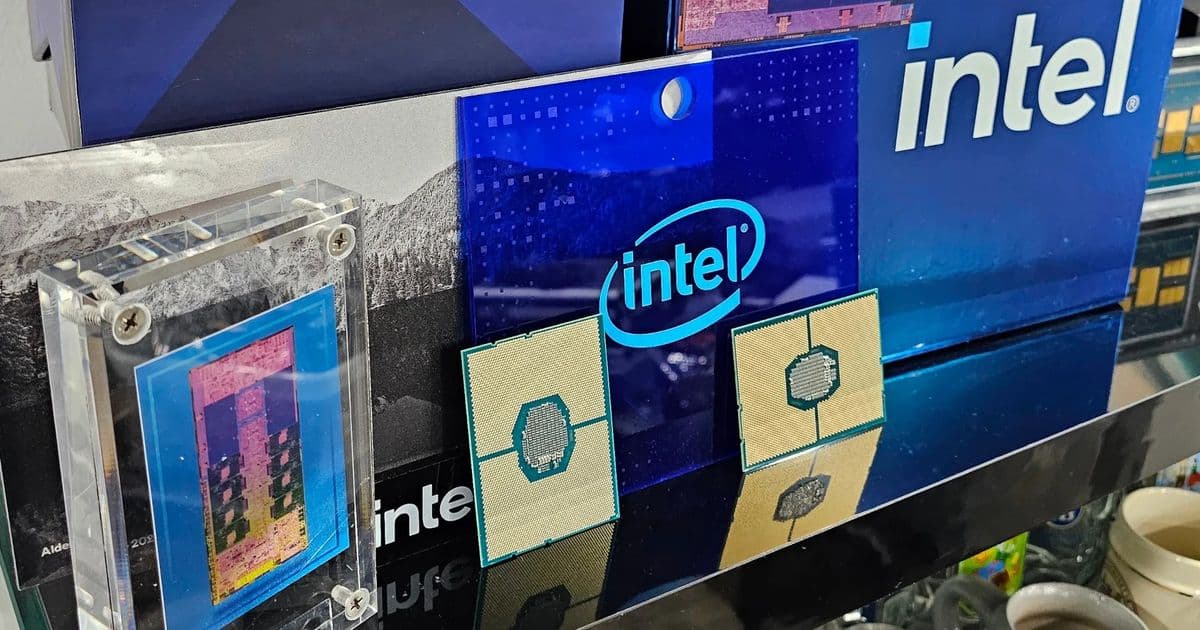
The Linux 7.0 kernel is integrating comprehensive performance monitoring support for Intel's upcoming Xeon Diamond Rapids processors, including new PMU capabilities, uncore monitoring, and support for multiple next-generation Intel architectures.
The Linux 7.0 kernel is taking significant steps to prepare for Intel's next-generation Xeon Diamond Rapids processors, with comprehensive performance monitoring support now landing in the mainline codebase. This development represents a crucial piece of the puzzle for system administrators and performance engineers who will be working with these future high-end server processors.
Diamond Rapids PMU Architecture Changes
The performance events code introduces core support for Diamond Rapids' performance monitoring unit (PMU), which brings "a lot of changes" compared to previous generations. The most notable architectural shift is the replacement of the Off-Core Response (OCR) facility with a new OFF-MODULE RESPONSE (OMR) mechanism. This change reflects Intel's evolving approach to monitoring inter-core and off-core events in their latest processor designs.
Additionally, Diamond Rapids introduces a new Processor Event Based Sampling (PEBS) data source encoding layout. This requires kernel adaptation to properly handle the new data structures and sampling mechanisms. The kernel changes also enable support for a new RDPMC user-disable feature, giving system administrators more granular control over performance monitoring capabilities.
Uncore PMU Support for Diamond Rapids
One of the most substantial contributions in this update is the large patch series for uncore PMU support. Diamond Rapids features two integrated I/O and memory hub dies that are separate from the compute tile dies, creating a more complex architecture that requires sophisticated monitoring capabilities.
The uncore monitoring support includes several new performance monitoring types:
- SCA - System Configuration Access monitoring
- HAMVF - Hardware-assisted Memory Validation Framework
- D2D_ULA - Die-to-Die Ultra-Link Access monitoring
- UBR - Uncore Bandwidth Reporting
- PCIE4 - PCIe Gen4 monitoring
- CRS - Cache Request Statistics
- CPC - Core Power Control monitoring
- ITC - Interconnect Traffic monitoring
- OTC - Offload Traffic monitoring
- CMS - Cache Management Statistics
- PCIE6 - PCIe Gen6 monitoring
These new monitoring types provide unprecedented visibility into the complex interactions between Diamond Rapids' various components, from memory traffic to PCIe transactions and power management states.
Broader Intel Architecture Support
The Linux 7.0 performance events changes extend beyond Diamond Rapids to include support for other upcoming Intel architectures. The kernel now adds missing performance monitoring units for Panther Lake processors, ensuring comprehensive monitoring capabilities across Intel's client and mobile processor lineup.
Support for Nova Lake is also being enabled, demonstrating the kernel's forward-looking approach to performance monitoring infrastructure. Additionally, the Intel C-State driver has been adapted to support low-power Wildcat Lake System-on-Chips (SoCs), improving power management monitoring capabilities for these energy-efficient designs.
Development Timeline and Integration
These performance events changes have already been merged into the Linux kernel Git repository through a comprehensive pull request. This integration represents the culmination of extensive upstreaming efforts that have been ongoing alongside compiler support in GCC and LLVM/Clang.
The timing of these changes is significant, as they arrive well in advance of Diamond Rapids' expected market release. This proactive approach ensures that the Linux ecosystem will be ready to fully leverage the performance monitoring capabilities of these next-generation processors from day one.
Impact for System Administrators and Developers
For system administrators and performance engineers, these changes represent a substantial enhancement to their monitoring toolkit. The expanded set of performance counters and monitoring types will enable more detailed analysis of system behavior, particularly in complex multi-die architectures like Diamond Rapids.
The separation of I/O and memory hub dies from compute tiles in Diamond Rapids creates new performance characteristics that require specialized monitoring. The new OMR facility and expanded uncore monitoring capabilities will be essential for understanding and optimizing workloads on these processors.
Looking Ahead
As Linux 7.0 continues its development cycle, these performance events changes lay the groundwork for comprehensive support of Intel's next-generation processor families. The kernel's ability to adapt to evolving processor architectures while maintaining backward compatibility demonstrates the strength of the open-source development model in keeping pace with hardware innovation.
The extensive monitoring support for Diamond Rapids, combined with updates for Panther Lake, Nova Lake, and Wildcat Lake, positions Linux 7.0 as a highly capable platform for both current and future Intel processor generations.
Comments
Please log in or register to join the discussion